Yoga for Travel: Five Poses You Can Do in a Hotel Room
Travel can be exciting, restorative, and surprisingly demanding on the body. Long flights, train journeys, unfamiliar beds, heavy bags, and hours spent sitting may leave your shoulders tense, hips stiff, and energy unsettled. A short yoga practice can help you reconnect with your body without requiring a studio, special clothing, or a large amount of space.
A hotel room offers enough room for simple movement. You may have only the area beside the bed, a folded towel instead of a yoga mat, and a few quiet minutes between plans. That is plenty. The purpose is not to recreate a full class, but to create a small pause for mindful movement, steady breathing, and self-compassion.
The five poses below support different needs during a trip. Some awaken the body after sitting, while others help you settle before sleep. Move slowly, keep your range of motion comfortable, and treat the practice as an invitation rather than a task to complete perfectly.
Make Space For A Gentle Practice
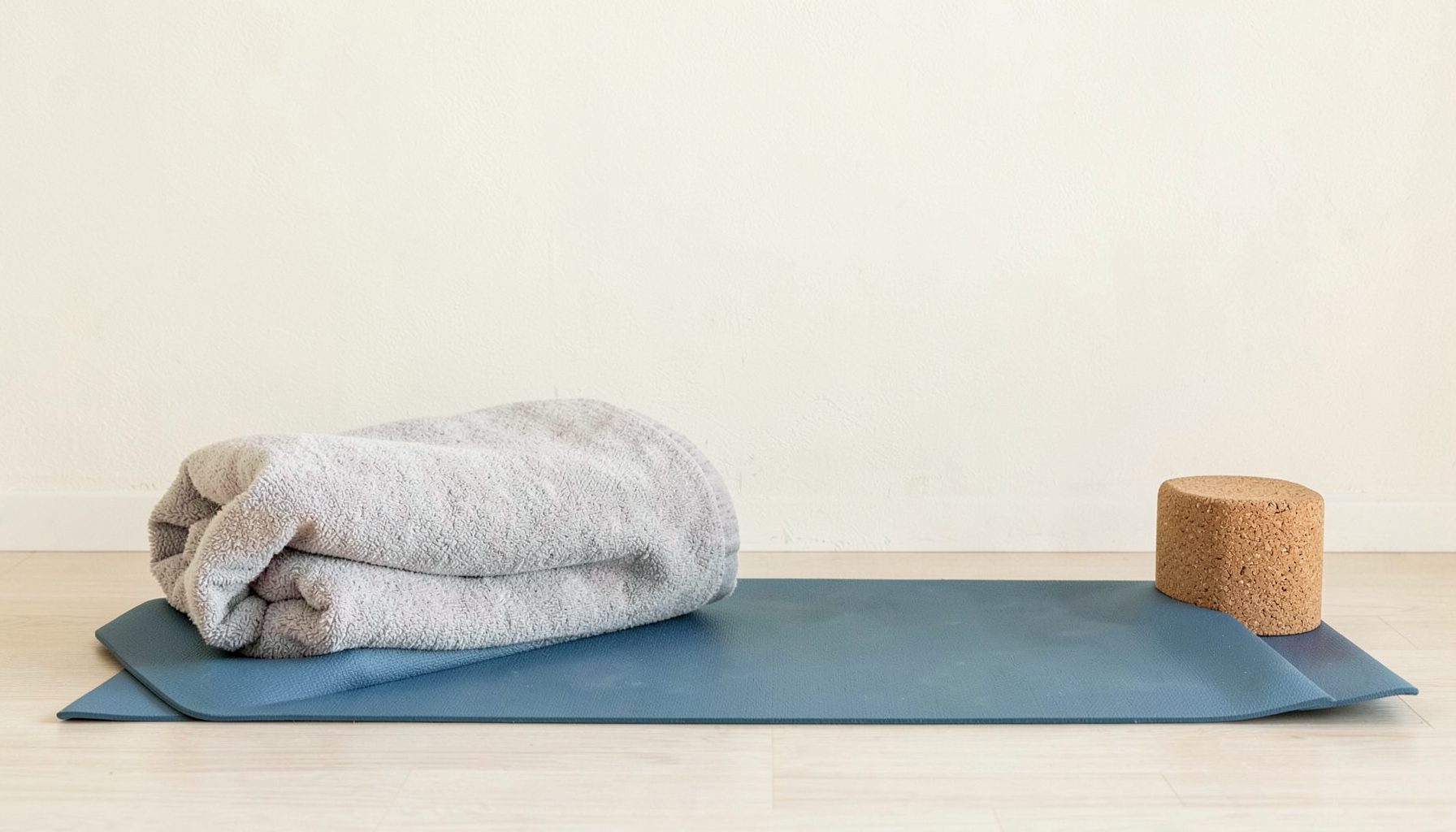
Before beginning, clear a small area and check the floor for anything slippery. You do not need to move furniture or create a picture-perfect setting. A towel, blanket, or hotel robe can provide light cushioning beneath your knees or hips, while the wall and bed can offer useful support.
Wear clothes that allow your ribs, hips, and shoulders to move freely. If you have just arrived after a long journey, begin with a few natural breaths and notice how you feel. Fatigue, dehydration, jet lag, and stress can all affect balance and flexibility, so keep your movements smaller than you might at home.
Breathing is the thread that connects the poses. Try inhaling through the nose for a comfortable count and exhaling gently without forcing the breath. If a position creates sharp pain, numbness, dizziness, or strain, come out of it and rest. Yoga for travel should help you feel more present in your body, not ask your body to work harder than it can manage.
Mountain Pose And Standing Forward Fold
Mountain Pose, or Tadasana, is a simple way to arrive. Stand with your feet about hip-width apart, or bring them closer if that feels stable. Let your arms rest by your sides. Soften your knees, lengthen through the crown of your head, and allow your shoulders to move away from your ears.
Notice the points of contact between your feet and the floor. Feel your weight spread across the heels, the bases of the toes, and the outer edges of the feet. Take five slow breaths, allowing the exhalation to relax your jaw and facial muscles. This grounding posture can be especially helpful after stepping off a plane or moving through a busy station.
From Mountain Pose, you can transition into a standing forward fold. Bend your knees generously and hinge from your hips, allowing your upper body to drape toward the floor. Let your hands rest on your thighs, a suitcase, or the bed if reaching the floor feels uncomfortable. Keep the back of your neck relaxed rather than pulling your head down.
Stay for five to eight breaths, slowly shifting a little weight toward the balls of your feet without lifting your heels. This variation can ease tension through the back body after sitting. To rise, bend your knees, place your hands on your thighs, and lift your chest gradually. Avoid rolling up quickly, particularly if you feel tired or light-headed.
Low Lunge And Seated Twist
Low Lunge is useful after driving, flying, or spending several hours with the hips bent. Begin on hands and knees, using a folded towel under the back knee if needed. Step your right foot forward between your hands. If the foot does not come all the way forward, use your hand to guide it into place.
Place your hands on your thigh, the floor, or the edge of the bed. Keep the front knee pointing in the same direction as the toes and move forward only until you sense a mild opening across the left hip. There is no need to sink deeply. Take four to six breaths, then press gently through the front foot to return to hands and knees. Repeat on the other side.
A seated twist can refresh the spine and bring awareness back to the center of the body. Sit on the edge of the bed or on a folded towel with both feet on the floor. Place your left hand on your right thigh and your right hand behind you. Inhale to lengthen your spine; exhale as you turn slightly to the right.
Keep the movement spacious rather than forceful. The head can follow the chest, or it can remain facing forward if your neck feels sensitive. Take three to five breaths, then return to center and change sides. If your shoulders tend to tighten while traveling, the ten-minute shoulder flow offers another gentle way to release the upper body.
A Quick Guide To The Five Poses
Each pose can stand alone, or the five can be practiced in sequence. Use the table as a reminder of the main purpose and the simplest way to adapt each movement to a hotel room.
| Pose | Main benefit | Suggested time | Helpful hotel-room support |
|---|---|---|---|
| Mountain Pose | Grounding and posture awareness | 5 breaths | Stand beside the bed or wall |
| Standing Forward Fold | Releases the back body after sitting | 5–8 breaths | Rest hands on thighs or bed |
| Low Lunge | Opens the front of the hip | 4–6 breaths per side | Cushion the back knee with a towel |
| Seated Twist | Encourages spinal mobility and presence | 3–5 breaths per side | Sit on the bed or a folded blanket |
| Legs Up The Wall | Supports rest and quiet reflection | 2–5 minutes | Use the headboard or wall for support |
The timing is flexible. A single pose may be enough when your schedule is full, while a longer pause may feel right after arriving at your destination. You can also repeat the pose that best matches how your body feels that day.
Legs Up The Wall For Rest
Legs Up The Wall, or Viparita Karani, is a calming option for the end of a travel day. Sit sideways with one hip near a wall or the headboard, then lower onto your back as you guide your legs upward. Your seat can remain a little away from the wall if the backs of your legs feel tight.
Let your arms rest by your sides or place one hand on your belly and one over your heart. Close your eyes if that feels comfortable, and allow your breathing to become quiet and natural. Stay for two to five minutes, or leave the pose sooner if your lower back, hamstrings, or hips feel uncomfortable.
This posture can also be practiced with your legs resting on the bed rather than vertically against a wall. The important element is supported rest, not the exact angle of your legs. Keep a slight bend in the knees whenever that makes breathing easier.
To come out, bend your knees and roll onto one side before returning to sitting. Move slowly, especially after lying still for several minutes. A short rest in this shape may help you transition from sightseeing, work, or social activity into a quieter evening.
Turn Five Poses Into A Travel Ritual
A practical hotel-room sequence might begin with Mountain Pose, followed by a standing forward fold and Low Lunge on both sides. After returning to the edge of the bed, take a seated twist to the right and left. Finish with Legs Up The Wall, using the final minutes to notice your breath and the sensations in your body.
For a morning practice, keep the pace bright but unhurried. Spend a little longer in Mountain Pose, then move through the forward fold and lunges with fuller breaths. This can create a sense of space before a day of meetings, walking, or exploring. You might finish with a seated twist to feel awake without becoming rushed.
For an evening practice, reduce the intensity and lengthen the pauses. Let the forward fold be supported, keep the lunges shallow, and allow Legs Up The Wall to become the main part of the practice. A fifteen-minute evening wind-down flow can extend this calming approach when you want more structure before bed.
You can also divide the sequence throughout the day. Practice Mountain Pose and the forward fold after a journey, take Low Lunge during an afternoon break, and use the seated twist and Legs Up The Wall later. Short moments of attention often feel more sustainable than waiting for a perfect block of free time.
Keep Your Practice Kind And Practical
Travel often changes your usual routines, so flexibility matters. You may have less sleep, different meals, and a schedule that moves from one activity to the next. Rather than measuring success by how much you accomplish, notice whether the practice helps you breathe more easily, move with greater comfort, or feel more connected to the present moment.
These small choices can make a hotel-room practice safer and more supportive:
- Use a wall, bed, or sturdy chair for balance instead of forcing a pose.
- Keep a bottle of water nearby and avoid intense stretching when you are dehydrated.
- Bend your knees freely in standing poses and forward folds.
- Choose shorter holds when you are jet-lagged, unwell, or physically depleted.
- Finish with a quiet minute of breathing before returning to your plans.
The most valuable travel practice is one you can return to without pressure. Five mindful poses may take only ten minutes, yet they can mark a meaningful shift between transit and arrival, activity and rest, or tension and ease. Let the practice meet you exactly where you are.
Save this sequence for your next journey, use the poses whenever your body asks for a pause, and explore the classes, retreats, reflections, and downloadable resources at Camille Dodson Yoga to support a steady practice wherever you are.