




A Ten-Minute Yoga Flow for Tight Shoulders
Shoulder tension often gathers quietly. A long day at a desk, repeated phone use, driving, stress, and shallow breathing can leave the upper back feeling heavy and the neck difficult to move. A short, mindful sequence may help you create space without forcing the body into deep stretches.
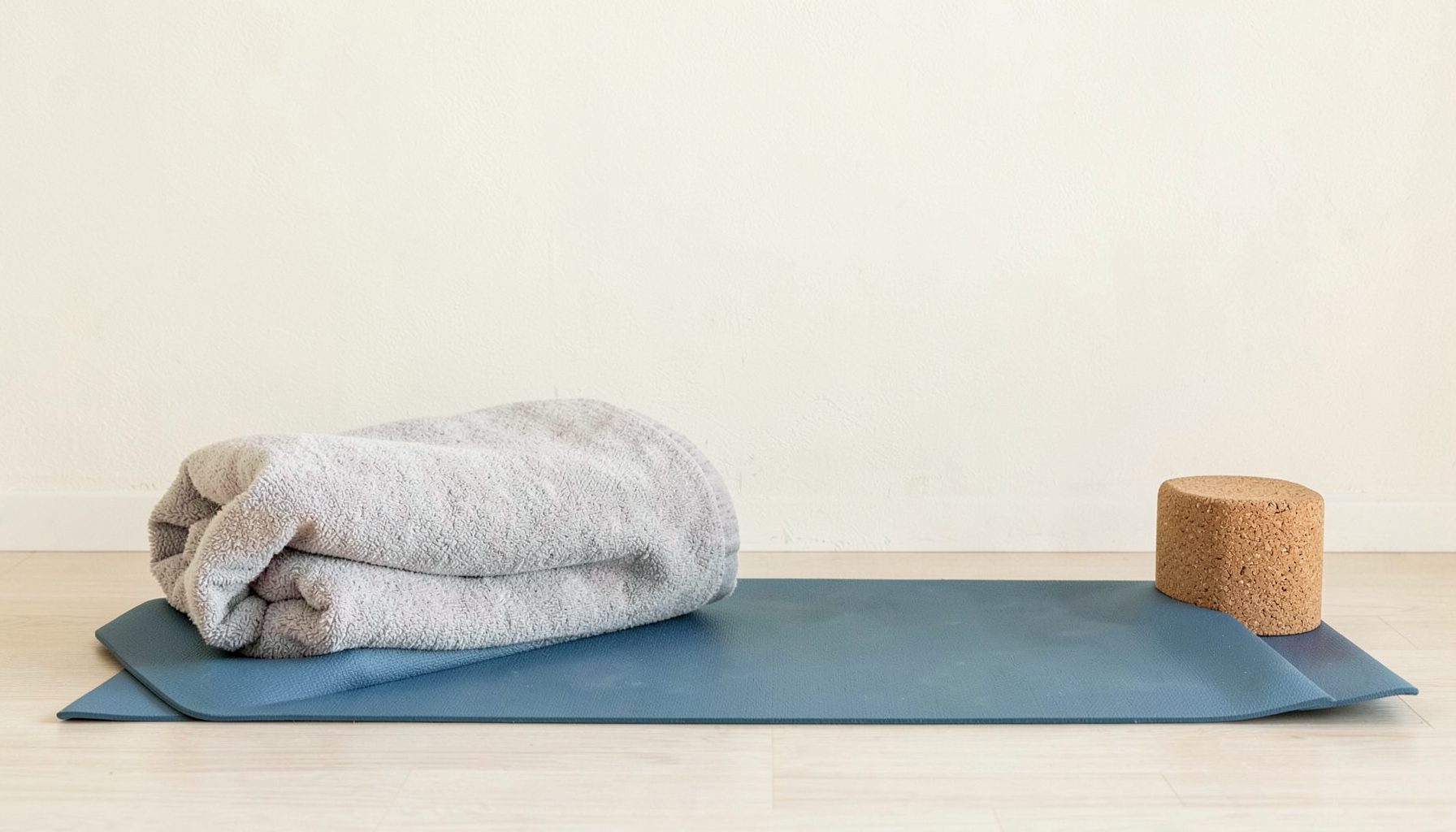
This ten-minute practice combines gentle shoulder mobility, upper-back movement, chest opening, and breath awareness. You do not need a mat, special clothing, or previous yoga experience. A folded blanket, cushion, or chair can make the movements more comfortable if your shoulders are particularly sensitive.
Move slowly and keep the range of motion easy. Stretching should feel spacious or mildly challenging, never sharp, pinching, numb, or unstable. If you have a recent injury, persistent pain, or a condition affecting your neck, shoulders, or arms, seek appropriate medical guidance before beginning.
Prepare Your Body And Breath
Begin seated on the floor, on a cushion, or toward the front of a sturdy chair. Let your feet rest comfortably and allow your hands to settle on your thighs. Lengthen through the crown of your head without pulling your chin backward or lifting your chest rigidly.
Close your eyes if that feels safe, or soften your gaze toward the floor. Take three unhurried breaths. Inhale through the nose if comfortable, allowing the ribs to widen in every direction. Exhale slowly and let your shoulders descend. The purpose is not to achieve perfect posture; it is to notice how your body feels before you begin.
On each exhale, release a little effort from your jaw, hands, and upper trapezius muscles. These areas often brace together. A softer grip and relaxed tongue can make shoulder mobility feel more accessible. Let the breath set the pace rather than trying to complete as many movements as possible.
Mobilize The Neck And Shoulders
Inhale and sweep both shoulders up toward your ears. Exhale as you draw them back and down. Repeat this three times, moving with control. Then reverse the direction, circling the shoulders forward, up, and down for three repetitions. Keep the circles small enough that there is no grinding or discomfort.
Return to neutral and turn your head gently to the right as you inhale. Exhale back to center, then turn left. Continue for four slow repetitions on each side. Keep your nose in line with your breastbone and avoid pushing the chin forward. This simple neck mobility exercise can reveal where you habitually hold tension.
Next, bring your right ear toward your right shoulder without lifting the shoulder to meet it. Stay for one breath, then return to center and change sides. If you want a little more sensation, extend the opposite arm toward the floor, but do not pull on your head. The side of the neck should lengthen gradually rather than being stretched aggressively.
Wake Up The Upper Back
Place your hands on your knees or thighs. As you inhale, gently draw the breastbone forward, widen across the collarbones, and allow the shoulder blades to move slightly toward each other. As you exhale, round through the upper back, spread the shoulder blades, and let your head follow the curve. This seated cat-cow variation creates movement through the thoracic spine, where stiffness can contribute to tight shoulders.
Repeat for six breath-led cycles. Keep the movement smooth and moderate. There is no need to collapse the chest in the rounded shape or exaggerate the arch. Imagine the space between your shoulder blades becoming more mobile with every cycle.
After the final round, interlace your fingers in front of your chest with the palms facing away. Inhale as you reach the hands forward and broaden the upper back. Exhale, release the fingers, and rest your hands on your thighs. Repeat twice. This variation can help you sense the difference between muscular effort and unnecessary bracing.
| Movement | Time | Main Focus | Helpful Cue |
|---|---|---|---|
| Centering breath | 1 minute | Nervous system and awareness | Lengthen the exhale |
| Shoulder circles | 1 minute | Shoulder joint mobility | Keep the neck relaxed |
| Neck turns and side bends | 2 minutes | Neck and upper trapezius release | Move without pulling |
| Seated cat-cow | 2 minutes | Upper-back mobility | Let the breath lead |
| Eagle arms | 2 minutes | Back shoulders and shoulder blades | Lift elbows only as high as comfortable |
| Chest opener | 1 minute | Front shoulders and chest | Keep ribs gently contained |
| Rest and integration | 1 minute | Noticing the effects | Allow the body to settle |
Open The Back Of The Shoulders
Reach both arms forward at shoulder height, then cross your right arm over your left. Bend the elbows and bring the backs of the hands toward each other. If possible, wrap the forearms so the palms meet. If that position feels awkward, simply hold opposite shoulders in a self-embrace.
Lift the elbows a little while keeping the shoulders away from the ears. Take two or three slow breaths into the space between the shoulder blades. As you exhale, imagine the upper back becoming broad. Release slowly and repeat with the left arm crossing over the right.
This shape is commonly called eagle arms, though the full arm position is optional. The useful action is the gentle rounding of the upper back and the awareness of the rear shoulder muscles. Keep your ribs from thrusting forward, and stop before you feel tingling or strain in either arm.
A compassionate practice respects the body’s changing capacity. Self-compassion for sustainable practice can help you replace pressure with curiosity, especially when a familiar pose feels different from one day to the next.
Release The Chest And Front Body
Let your arms rest by your sides. Roll the shoulders up, back, and down once, then bring your hands behind you. You may clasp the opposite elbows, hold a strap, or place your palms on the back of a chair. Keep the hands low enough that the lower ribs do not flare forward.
Inhale and gently broaden across the chest. Exhale while maintaining a relaxed jaw and soft shoulders. Stay for three breaths, imagining the collarbones widening rather than forcing the arms backward. If your shoulders are very tight, keep the hands separated and focus on drawing the upper arms slightly behind you.
Release the arms and shake out the hands. Then extend your right arm across your chest, using the left hand to support it just above the elbow. Hold for two breaths, keeping both shoulders down. Change sides. This cross-body shoulder stretch should be felt around the back and outer shoulder, not as pressure in the joint.
Finish with a gentle standing reach if you have space. Stand with your feet under your hips, inhale as both arms rise only as far as comfortable, and exhale as they lower. Repeat twice. Let the movement be an invitation to length rather than an attempt to reach a particular height.
Make The Practice Comfortable
A short routine works best when it fits naturally into your day. You might practice after working at a computer, before an evening meditation, during a break between tasks, or after travel. Regular, low-pressure movement is often easier to maintain than an occasional intense session aimed at fixing every area of discomfort.
Use these adjustments to make the sequence more supportive:
- Practice seated if standing feels tiring or unsteady.
- Keep your elbows below shoulder height during arm variations.
- Use a wall, chair, or cushion for balance and comfort.
- Reduce the range of motion if you notice pinching, pain, or breath-holding.
- Pause in a neutral position whenever the body asks for rest.
Shoulder tightness is sometimes related to the rest of the body. Notice whether your breathing becomes shallow, your hands clench, or your ribs stop moving. Relaxing those patterns may be as valuable as increasing flexibility. The aim is a sustainable relationship with movement, where attention matters as much as the shape.
Let The Benefits Settle
Return to your seat or lie down with your arms resting comfortably. Close your eyes or soften your gaze. Notice your shoulders, neck, breath, and upper back without judging the result. One side may feel different from the other. Your range of motion may have changed only slightly, and that is still useful information.
Take three more breaths. On each inhale, feel the body receive space. On each exhale, release the need to perform. You may finish with a quiet intention such as, “I can move with patience,” or, “I can listen before I push.”
A ten-minute shoulder release is small enough to repeat and meaningful enough to interrupt a cycle of tension. Save the sequence somewhere visible and return to it when your body feels compressed by screens, stress, or stillness. Browse the classes, reflections, and downloadable practices at Camille Dodson Yoga to build a gentler rhythm of mindful movement, breathwork, and self-care.