




Yoga for Better Digestion: Twists and Belly Massage
Digestion is influenced by much more than the food on your plate. Sleep, stress, posture, breathing, hydration, movement, and the pace at which you eat can all affect how comfortable your belly feels. A gentle yoga practice can support these everyday foundations by helping you move, breathe, and pay attention to physical sensations without judgment.
Twists and belly massage are often associated with digestive support because they bring awareness and movement to the abdomen. They may encourage relaxed breathing, ease stiffness through the spine and hips, and help you reconnect with the natural rhythm of your body. Their value is less about forcing a result and more about creating conditions in which your whole system can settle.
This practice is intended for general wellbeing, not as a treatment for ongoing pain or digestive disease. If you have severe abdominal pain, vomiting, blood in your stool, unexplained weight loss, fever, or persistent changes in bowel habits, speak with a qualified healthcare professional. During pregnancy, after abdominal surgery, or with a known medical condition, ask your care team which movements are appropriate.
How Movement Can Support Comfortable Digestion
The digestive system is closely connected with the nervous system. When you are rushed, tense, or under prolonged stress, your body may prioritize alertness rather than rest and digestion. Slow movement and steady breathing can help shift your attention toward a calmer state, which may make it easier to notice hunger, fullness, tension, and comfort.
Yoga also changes the way you relate to your posture. Sitting for long periods can compress the front of the body, restrict easy breathing, and leave the hips and lower back feeling rigid. Gentle spinal movement, especially when paired with a long exhale, can create a sense of space around the ribs and abdomen without requiring intense stretching.
There is no need to believe that a particular pose “detoxes” the body or mechanically squeezes digestion into action. The liver, kidneys, and digestive tract already perform their essential work. A mindful sequence is better understood as supportive self-care: it can encourage mobility, relaxation, body awareness, and daily habits that contribute to overall wellbeing.
Preparing The Body With Breath And Simple Movement
Begin with five minutes of unhurried movement rather than going straight into a deep twist. Sit comfortably or lie on your back, place one hand over the lower ribs, and notice whether your breath can move gently in all directions. Let the inhale arrive naturally, then allow the exhale to lengthen slightly without straining or holding the breath.
From a comfortable seated position, make small circles through the shoulders and wrists. Move into a slow cat-cow pattern on hands and knees, keeping the spine within a range that feels smooth. You can also rock the hips back toward the heels and forward again, or take a few easy pelvic tilts while lying down. These movements warm the spine and reduce the temptation to push into a twist too quickly.
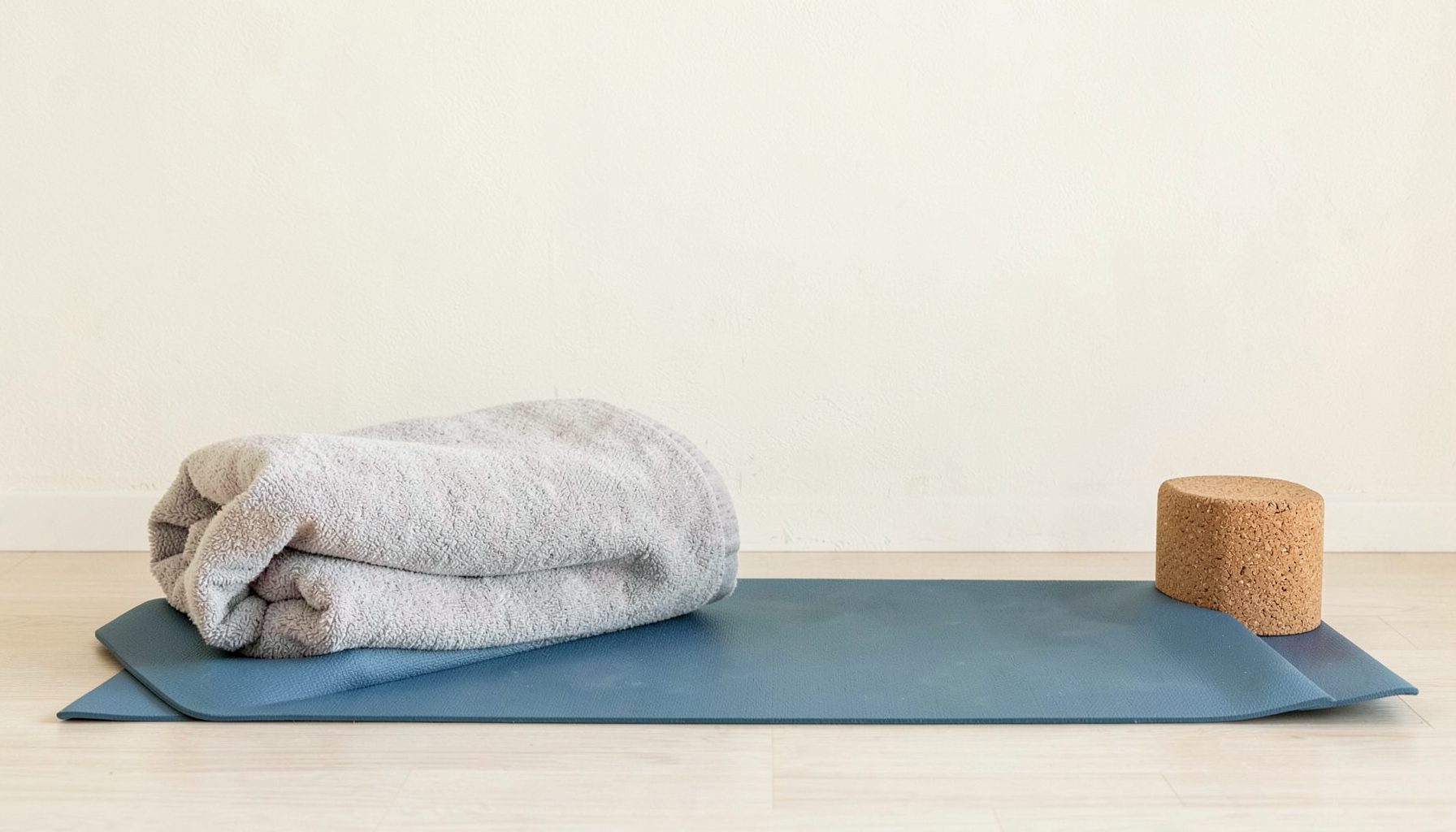
If you practice at home, consistency matters more than having a large or perfectly arranged space. A folded blanket, a wall, and a few minutes of attention can be enough to begin; this guide to building a home practice offers practical ideas for making a small area feel workable.
Try this preparation before meals only if it feels comfortable, and leave plenty of time after eating before practicing stronger movements. A short, gentle session may suit some people after a light meal, while others feel best practicing before breakfast or several hours after eating.
Exploring Gentle Twists Without Force
A twist should feel like a gradual rotation through the spine, not a tugging action created by the arms. Sit on a folded blanket with your legs crossed or extended, or lie on your back with your knees bent. As you inhale, grow taller through the crown of your head. As you exhale, rotate only as far as you can while keeping the breath smooth.
For a supine twist, draw both knees toward the chest and lower them slowly to one side. Keep the shoulders as relaxed as possible, and place a cushion beneath the knees if they do not comfortably reach the floor. Turn the head only if the neck feels free; looking straight up is an equally useful option.
A seated twist can be practiced with one hand behind you and the other resting lightly on the thigh. Avoid pulling yourself deeper. Imagine the ribs turning before the pelvis, and pause for three to five breaths. Then return to center slowly and repeat on the other side, noticing whether one direction feels different from the other.
The table below offers options for choosing a twist according to your energy and comfort. None of these movements needs to create a strong sensation to be beneficial.
| Movement | Useful when | How to keep it gentle |
|---|---|---|
| Supine knees-to-side twist | You feel tired or want support | Use a cushion under the knees and keep both shoulders heavy |
| Seated open twist | You want to work with posture | Sit on a blanket and rotate from the ribs rather than pulling with the arms |
| Cat-cow rotation | Your spine feels stiff | Move slowly and keep the range small |
| Side-lying twist | You prefer a quieter floor practice | Support the top knee and stop before the shoulder lifts |
| Supported child’s pose | You want to settle afterward | Widen the knees, rest the torso on cushions, and breathe comfortably |
Adding A Mindful Belly Massage
Belly massage can be a calming complement to breathing and gentle movement. Practice with warm hands and light pressure, ideally when you have not just eaten a large meal. You may lie on your back with the knees supported, or sit in a relaxed position with the spine easy rather than rigid.
Start by resting one hand over the abdomen and noticing warmth, movement, and breath. Then make slow clockwise circles around the belly, following a broad path rather than pressing into one specific point. Use the flat parts of your fingers or palm, and keep the pressure light enough that the face, jaw, and shoulders remain relaxed.
You can coordinate the circles with slow breathing, allowing the hand to move naturally rather than trying to control every part of the breath. Spend one or two minutes, pause, and observe how you feel. Some people prefer a smaller circle around the navel; others find it more soothing to place both hands over the lower abdomen and simply stay still.
Massage should never cause sharp pain, nausea, dizziness, or a feeling of pressure that seems wrong. Skip it over areas of acute tenderness, a healing incision, a hernia, or irritated skin. It is also wise to seek professional guidance before abdominal massage during pregnancy or when you have a diagnosed gastrointestinal condition.
Building A Short Digestive Support Sequence
A useful sequence can be brief enough to practice regularly. Begin with one minute of quiet breathing, followed by cat-cow or pelvic tilts for six to eight slow rounds. Move into a supported child’s pose or a comfortable kneeling position, then practice a supine twist on each side for several breaths.
After the twists, lie still with the knees bent and place one hand on the abdomen. Add gentle circles for one or two minutes, or replace the massage with simple stillness if touch does not feel supportive that day. Finish by noticing the contact between your body and the floor, allowing the breath to return to its natural pace.
A regular practice does not need to be long or demanding. Five to ten minutes after waking, before bed, or during a break from sitting may be more sustainable than an occasional intense session. If you spend much of the day in a chair, a few accessible hip movements can also make the whole practice feel more comfortable; these gentle hip openers are a helpful place to begin.
Pay attention to patterns rather than judging individual days. You might note whether slower meals, a walk, adequate water, or a few minutes of breathing change your comfort. This kind of observation supports self-compassion and can help you discover which practices genuinely fit your body and routine.
Making Digestion A Mindful Daily Practice
Yoga works best alongside simple, steady habits. Eating at a calmer pace, chewing thoroughly, drinking enough water, taking regular walks, and allowing time for sleep can all support digestive wellbeing. These choices do not need to become a strict programme; small adjustments are often easier to maintain and kinder to the nervous system.
Mindfulness also means respecting signals that a pose or massage is not appropriate. A bloated or sensitive day may call for quiet breathing and a short walk rather than twists. On another day, you may enjoy a fuller sequence. The practice is successful when it helps you listen more clearly, not when you achieve a particular shape or sensation.
Keep these principles in mind:
- Choose slow, comfortable movements over deep rotations or strong abdominal pressure.
- Practice twists with an easy breath and release immediately if you feel pain, dizziness, or nausea.
- Leave time between a substantial meal and movements that compress or rotate the abdomen.
- Use cushions, blankets, or a wall to reduce effort and make the practice more accessible.
- Seek medical advice for persistent, severe, or unexplained digestive symptoms.
A gentle approach leaves room for curiosity. Instead of asking whether a pose is working hard enough, notice whether you feel more settled, spacious, mobile, or connected afterward. Those subtle changes can be meaningful, especially when they encourage you to care for yourself consistently.
Set aside a few quiet minutes today for breath, a supported twist, and light belly massage. Move at a pace that respects your body, return to the practice whenever it feels nourishing, and explore Camille Dodson Yoga’s classes, reflections, and downloadable resources for further ways to bring mindful movement into daily life.