


How to Use a Yoga Strap to Deepen Hamstring Stretches Safely
A yoga strap can make hamstring stretching feel more supported, precise, and manageable. Rather than pulling your body into a deeper shape, it gives your hands extra reach so you can maintain a long spine and steady breathing. This makes it useful for beginners, experienced practitioners, and anyone working with limited mobility.
The hamstrings are a group of muscles along the backs of the thighs. They influence how comfortably you bend forward, walk, climb stairs, and move through yoga poses. When these muscles feel tight, it can be tempting to force a stretch. A strap offers a gentler alternative: you can create consistent contact with the feet while allowing the intensity to develop gradually.
Safe stretching is less about reaching a particular depth and more about paying attention to sensation. You should feel a mild to moderate lengthening through the back of the thigh, never sharp pain, tingling, numbness, or strain in the knee or lower back. The strap supports this mindful approach by helping you stay within a sustainable range of motion.
Why Use a Strap for Hamstring Stretches
In poses such as Reclined Hand-to-Big-Toe Pose, a strap can bridge the distance between your hands and feet. This allows your shoulders to remain relaxed instead of reaching forward or lifting away from the floor. When the upper body is supported, it becomes easier to focus on the movement of the leg and the quality of the breath.
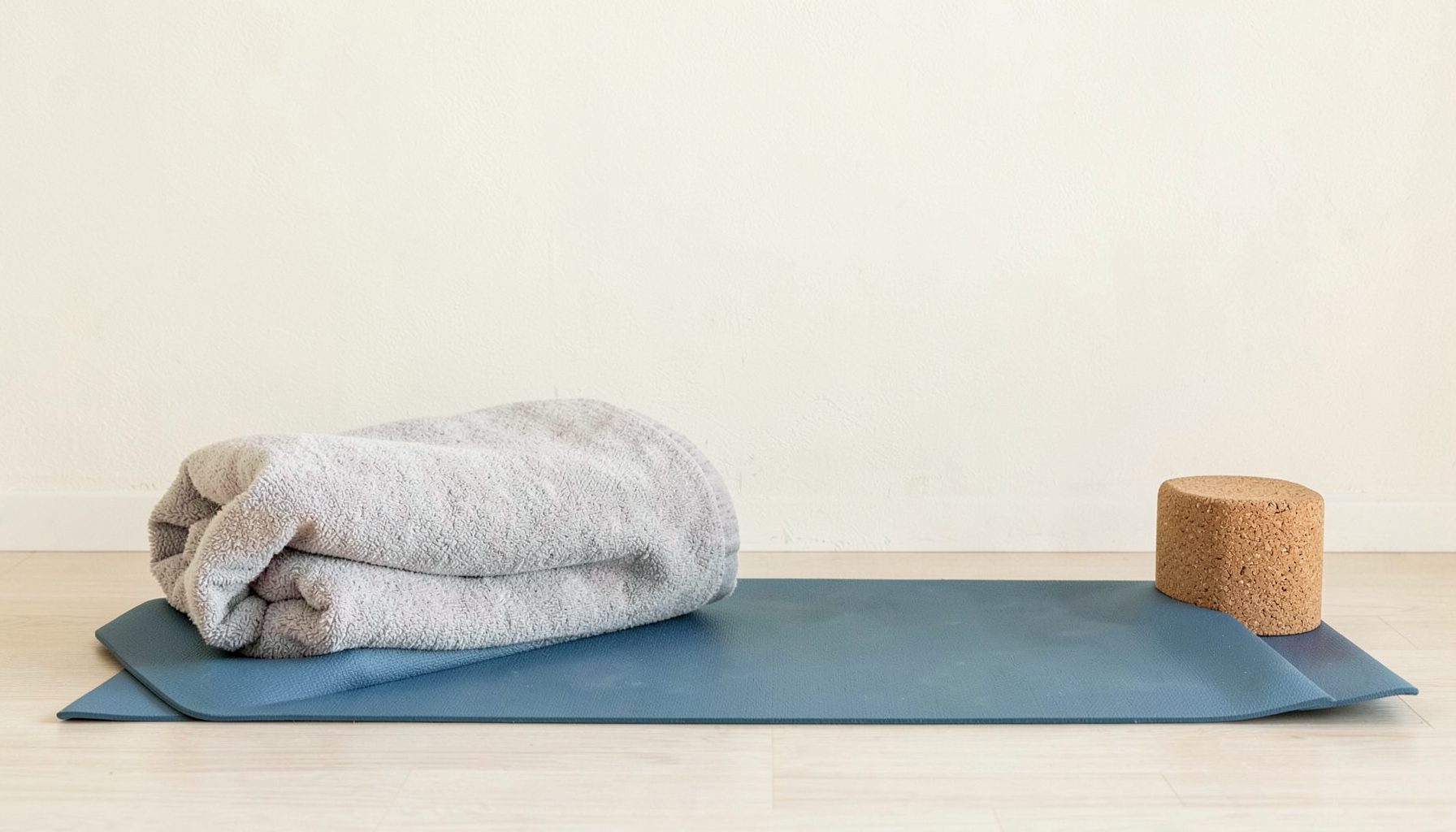
A strap also helps you avoid rounding your spine during seated forward folds. If your hamstrings restrict the movement of your pelvis, you may compensate by collapsing through the chest or pulling your head toward your knees. Sitting on a folded blanket and holding a strap around the feet can create more space, helping you hinge from the hips while keeping your spine naturally extended.
The prop is especially helpful when flexibility changes from day to day. Stress, physical activity, prolonged sitting, and fatigue can all influence how a stretch feels. Using a strap means you do not have to force the same shape each time. You can adjust the length, soften the arms, or bend the knees while keeping the practice consistent.
Set Up Your Practice
Choose a strap with a buckle or loop that feels secure in your hands. A yoga strap is ideal, but a long scarf, belt, or dressing gown tie can work temporarily if it is strong and does not stretch excessively. Practice on a firm, comfortable surface where you can lie down or sit without sliding.
Begin with two to five minutes of gentle movement. Try ankle circles, easy knee bends, marching in place, or a few rounds of relaxed breathing. Warm muscles generally respond more comfortably than muscles that have been moved suddenly from stillness. The goal is to prepare your body, not to tire it out before stretching.
When using the strap around your foot, place it across the ball of the foot rather than around the toes or directly against the ankle joint. Hold both ends evenly, with enough length to keep your elbows soft. Your grip should guide the leg without yanking it toward you. If your hands become tense, lengthen the strap or lower the leg.
Keep your supporting leg comfortable. In reclined stretches, the grounded leg may be straight or bent, depending on your lower-back comfort. In standing stretches, use a wall or chair for balance. Props are signs of intelligent practice, not evidence that you are doing less.
Reclined and Seated Strap Techniques
Reclined hamstring stretching is often the easiest place to begin because the floor supports your back. Lie on your back with both knees bent and your feet resting on the floor. Draw your right knee toward your chest, place the strap around the ball of the foot, and slowly extend the leg upward. Keep the left knee bent if straightening it causes your lower back to lift or arch excessively.
Pause when you find a steady stretch along the back of the thigh. The leg does not need to become vertical. You can keep a small bend in the knee and gently flex or point the foot without changing the overall intensity. Hold for several slow breaths, then bend the knee before lowering the foot. Repeat on the other side and notice whether the sensations differ.
For a seated variation, sit with both legs extended or with one leg straight and the other knee bent. Loop the strap around the extended foot and hold an end in each hand. Instead of pulling your chest toward the foot, lengthen through the crown of your head and tilt forward from the pelvis. The strap can help you maintain connection with the foot while your spine stays spacious.
A standing option can be useful when you want to include balance and functional movement. Place one foot on a low step or sturdy chair, loop the strap around the elevated foot, and hold the ends lightly. Keep your hips facing forward and your standing knee soft. If balance becomes distracting, hold a wall with one hand or choose the reclined version instead.
Choosing the Right Variation
Each strap-based hamstring stretch creates a slightly different experience. Start with the option that allows you to breathe easily and keep your surrounding muscles relaxed. You can explore other variations over time, but there is no requirement to progress toward the most demanding shape.
| Variation | Helpful setup | Main focus | Safety cue |
|---|---|---|---|
| Reclined single-leg stretch | Lie on your back with the strap around one foot | Gentle length through one hamstring | Keep the opposite knee bent if your back arches |
| Reclined wide-leg stretch | Hold the strap around one foot and slowly open the leg to the side | Inner thigh and hamstring mobility | Keep both sides of the pelvis grounded |
| Seated forward fold | Sit on a blanket and loop the strap around both feet | Hip hinging with a long spine | Bend the knees rather than rounding the back |
| Supported standing stretch | Rest one heel on a low support and use the strap for reach | Functional hamstring length and balance | Keep the hips level and use a wall |
| Strap-assisted half split | From a low lunge, shift the hips back and place the strap around the front foot | Back-line length in the front leg | Keep the spine long and avoid forcing the knee straight |
If you feel the stretch behind the knee rather than through the muscle belly of the thigh, reduce the intensity. Move the strap toward the ball of the foot, soften the knee, or lower the leg. A strong pulling sensation at the knee may indicate that the joint is taking more pressure than it needs.
You can also change the experience by adjusting the angle of the foot. A relaxed foot may create a softer sensation, while gently drawing the toes toward you can increase the feeling along the calf and hamstring. Make small changes and wait several breaths before deciding whether the adjustment is useful.
Let Breath Guide the Intensity
Breathing helps you recognize when a stretch is becoming too intense. Inhale as you create length through the spine or prepare to move. Exhale as you settle into the chosen position. Keep the breath smooth, without holding it or trying to use a long exhale to push yourself farther.
A simple rhythm is to stay for five to eight breaths, then release slowly. As you breathe, observe whether the sensation stays stable, softens, or becomes sharper. A stretch that gradually feels more spacious may be appropriate. A sensation that escalates quickly is a reason to back off.
Mindfulness can also change how you relate to flexibility. Instead of judging one side as “good” and the other as “tight,” notice the information each side provides. You might feel different sensations because of your daily activities, previous injuries, or natural anatomical differences. A seated meditation guide can offer a helpful way to practice observing sensations without immediately reacting to them.
The strap should support awareness rather than become a tool for control. Let your breath, facial expression, and muscle tone provide feedback. If your jaw clenches, shoulders rise, or hands grip firmly, decrease the pull and return to a more comfortable range.
A Safe Practice Checklist
Before holding a hamstring stretch, scan your alignment from the ground up. In a reclined position, check that your pelvis feels stable. In a seated position, use a folded blanket under the hips if your pelvis tends to tuck backward. In a standing position, create a wide enough base to feel balanced.
Avoid bouncing, jerking, or quickly pulling the strap. Flexibility develops through repeated, respectful practice, not through sudden force. Hold the strap with enough firmness to maintain connection, but imagine that the arms are offering direction rather than dragging the leg.
Keep these reminders nearby:
- Choose mild to moderate sensation rather than pain or strain.
- Maintain a small knee bend whenever straightening causes tension in the joint or lower back.
- Keep your shoulders away from your ears and your hands relaxed around the strap.
- Leave the pose slowly by bending the knee before lowering or stepping out.
- Stop and seek professional guidance if you notice numbness, tingling, sudden pain, or symptoms linked to an existing injury.
After stretching, move gently for a minute or two. Walk around, circle the ankles, or bend and straighten the knees without forcing the range. This helps you notice how your body feels after the pose rather than immediately moving on. If discomfort lingers or worsens, give the area time to recover and consult a qualified healthcare professional.
Build a Sustainable Hamstring Routine
A short routine performed regularly is usually more useful than an intense session done occasionally. You might practice one reclined stretch on each side for five breaths after a walk, or include a seated variation at the end of a longer yoga class. Leave enough space between sessions for your body to respond naturally.
Hamstring mobility also depends on the hips, calves, spine, and nervous system. A strap stretch may feel different after gentle hip circles or a few supported lunges. You can include strengthening movements, such as slow bridges or controlled leg lowers, so the body learns to use its available range with stability.
Pay attention to the rest of your body as you practice. If your shoulders feel tight from desk work, carrying, or repetitive tasks, balance a lower-body sequence with a gentle upper-body practice such as this ten-minute yoga flow. Moving with awareness through several areas can make the strap work feel more integrated and less like an isolated flexibility exercise.
Keep expectations realistic. Hamstring length is influenced by bone structure, muscle tone, nerve sensitivity, training history, and recovery. Progress may appear as easier breathing, a steadier pelvis, less pulling behind the knees, or greater comfort during everyday movement. These are meaningful changes, even when the visual shape of the pose looks similar.
A yoga strap can make hamstring stretching more accessible when it is used with patience and clear attention. Set up your body carefully, choose a variation that allows calm breathing, and adjust the prop before you feel the need to push. Explore gentle classes, printable sequences, and mindfulness resources from Camille Dodson Yoga to make this supportive approach part of your own sustainable practice.