




A Simple Guide To Seated Meditation For Beginners
Seated meditation is a practical way to pause, settle the nervous system, and become more aware of the present moment. It does not require special flexibility, a silent house, or the ability to empty your mind. A few steady minutes of comfortable breathing can be enough to begin building a sustainable mindfulness practice.
For beginners, the hardest part is often deciding what to do once they sit down. Should you focus on the breath, repeat a phrase, or simply notice your thoughts? The answer can be wonderfully simple: choose a comfortable position, bring your attention to one gentle anchor, and return whenever your mind wanders.
Meditation is not a test of concentration or a performance of stillness. It is an opportunity to meet yourself with patience. As you practice, you may discover a calmer relationship with thoughts, sensations, and emotions, while also creating a small pocket of quiet in an active day.
Why Seated Meditation Is Worth Practicing
A seated meditation practice offers a clear structure without demanding much equipment or space. Unlike movement-based yoga, it allows the body to become relatively still so you can observe breathing, posture, and mental activity more closely. This stillness can make subtle experiences easier to notice, including tension in the jaw, shallow breathing, or the impulse to rush into the next task.
Mindfulness meditation may support emotional steadiness by helping you recognize thoughts before automatically following them. A thought such as “I have too much to do” can be seen as a passing mental event rather than an instruction that must control your next action. This small distance can create room for a more deliberate response.
The benefits of meditation tend to grow through regular, manageable practice rather than occasional long sessions. Two or five minutes repeated consistently can be more useful than setting an ambitious goal that feels difficult to maintain. The intention is to create a supportive habit, not another demand on your schedule.
Choose A Supportive Seat
You can meditate on a chair, cushion, folded blanket, meditation bench, or the edge of a firm bed. The best option is the one that lets you stay alert without creating unnecessary discomfort. If sitting on the floor causes strain in your hips, knees, or lower back, a chair is a wise and fully valid choice.
When using a chair, place both feet on the floor if possible. Let your hands rest on your thighs or in your lap, and allow your spine to lengthen naturally without forcing it into a rigid position. Your back may touch the chair, especially if that helps you remain comfortable. Upright does not have to mean stiff.
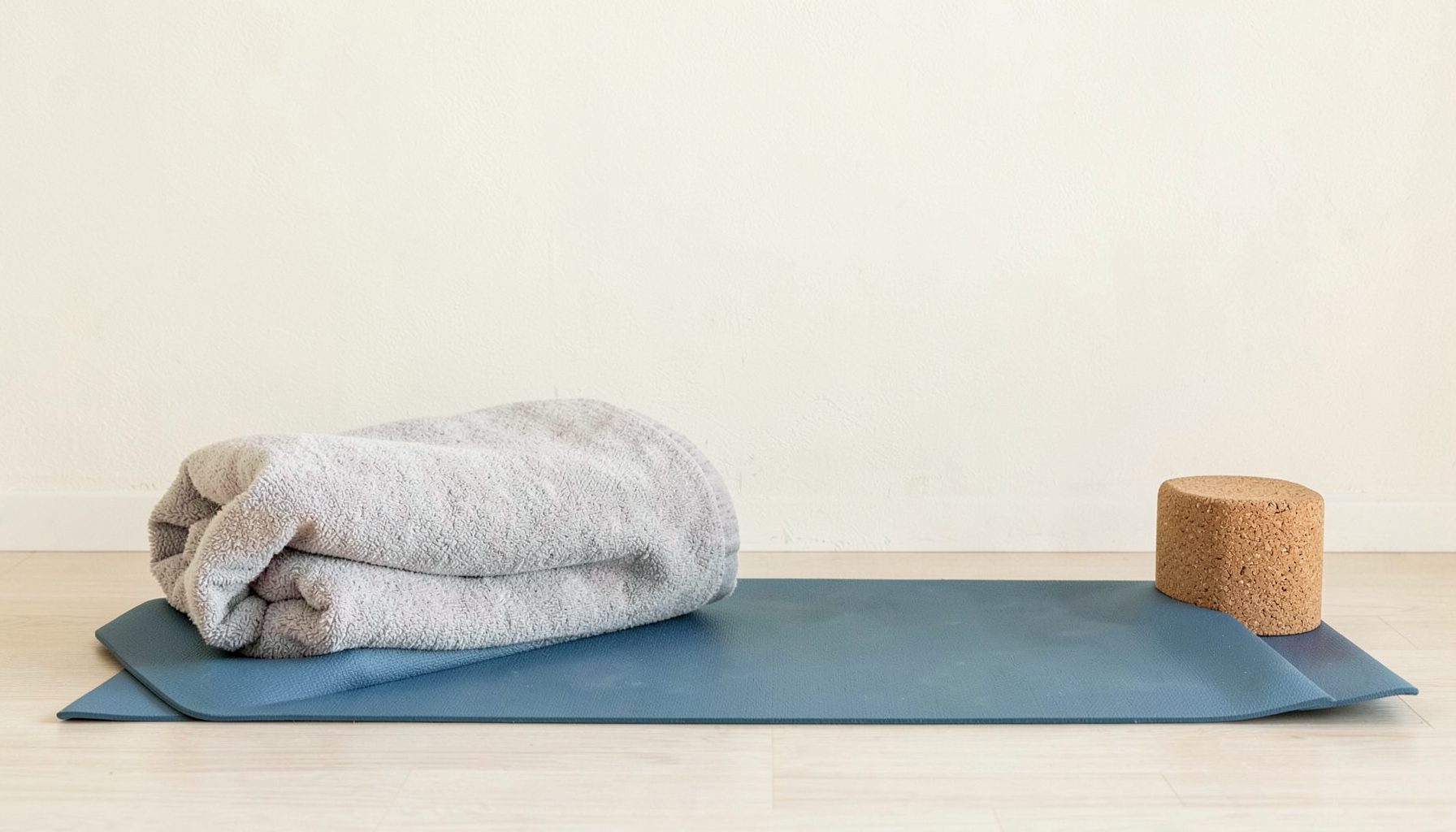
A cushion can raise the hips slightly above the knees and make cross-legged sitting easier. You may also support the knees with blankets or pillows. Small adjustments matter: a warmer layer, a wall behind you, or a folded towel beneath the ankles can help the body feel safe enough to settle.
The following options can help you choose a posture that balances comfort and wakefulness:
| Seated position | Helpful when | What to remember |
|---|---|---|
| Chair with feet grounded | You experience knee, hip, or back discomfort | Keep the feet supported and let the spine be easy |
| Cushion on the floor | You enjoy a grounded feeling and have comfortable hip mobility | Raise the hips enough to reduce knee strain |
| Kneeling on a meditation bench | Cross-legged sitting feels restrictive | Add padding beneath the knees or ankles |
| Supported chair with backrest | Fatigue makes upright sitting difficult | Stay alert without forcing unsupported posture |
| Cushion against a wall | You need gentle stability | Avoid collapsing backward or locking the spine |
Begin With Breath And Body Awareness
Once you are seated, take a moment to notice the body before trying to change anything. Feel the contact between your feet and the floor, your sitting bones and the support beneath you, and your hands resting in place. Notice whether the shoulders are lifted, the brow is tense, or the belly feels restricted.
Then bring attention to the natural breath. You do not need to breathe deeply or follow a special pattern. Simply notice where breathing is easiest to feel: at the nostrils, in the chest, or through the movement of the abdomen. Choose one area as your primary point of attention.
As you inhale, know that you are inhaling. As you exhale, know that you are exhaling. When attention drifts, gently acknowledge the distraction and return to the next breath. This return is the central movement of meditation. Each time you notice wandering, you have an opportunity to practice awareness rather than a reason to criticize yourself.
If the breath feels uncomfortable or brings anxiety, choose another anchor. You might listen to nearby sounds, feel the hands touching, or repeat a calming phrase such as “Here, now” or “I can meet this moment.” Meditation can be adapted to support your experience instead of requiring you to push through it.
Work With A Wandering Mind
A busy mind is expected, especially at the beginning. Planning, remembering, analyzing, daydreaming, and worrying are ordinary mental activities. The purpose of seated meditation is not to eliminate them. It is to notice when attention has moved away and practice returning with kindness.
You can silently label what is happening with simple words: “thinking,” “hearing,” “planning,” or “feeling.” The label does not need to be precise. It creates a little recognition without pulling you into a detailed story. After naming the experience, return to the breath or another chosen anchor.
Try not to measure the quality of a session by how peaceful it felt. A restless meditation can still be valuable because it reveals patterns that may otherwise operate unnoticed. You may learn that your mind becomes busy after checking email, that your shoulders tighten when you feel rushed, or that your attention softens when you lengthen the exhale naturally.
Self-compassion is especially important here. Speaking inwardly with warmth does not make the practice less disciplined. A phrase such as “I noticed; I can begin again” can replace frustration with a realistic, supportive attitude. This gentle approach fits well with the accessible principles explored through Camille Dodson Yoga, where mindful movement and personal practice can meet you where you are.
Create A Realistic Routine
Start with a duration that feels easy to repeat. One to five minutes is enough for a first session. Set a timer with a soft sound so you do not need to check the clock. As the practice becomes familiar, you can gradually extend it to ten or fifteen minutes, but longer is not automatically better.
A consistent cue can make meditation easier to remember. Practice after brushing your teeth, before opening your laptop, after a yoga class, or before going to bed. You can also connect meditation with a daily transition, such as sitting in the car after arriving home before going inside.
Choose a setting that reduces friction rather than aiming for perfect silence. A bedroom corner, a living room chair, or a quiet place outdoors may work. Keep a cushion or folded blanket nearby, and make the setup simple enough that beginning does not require a lengthy preparation ritual.
If you miss several days, return without trying to compensate. Habits become sustainable when restarting is ordinary. The next session does not need to repair the previous gap; it only needs to give you another chance to pause and pay attention.
Use Simple Variations When Needed
Breath awareness is a helpful foundation, but it is not the only form of meditation. A body scan guides attention slowly from the feet toward the head, noticing sensations without needing to change them. This can be useful when you feel disconnected from your body or caught in repetitive thought.
Loving-kindness meditation uses phrases that offer care to yourself and others. You might begin with “May I be safe, may I be peaceful, may I be well,” then adapt the words so they feel sincere. If traditional phrases feel uncomfortable, choose language that reflects your actual needs, such as “May I treat myself with patience today.”
A sound-based practice can be helpful for people who find internal focus overwhelming. Notice near and far sounds, loud and quiet sounds, and the spaces between them. There is no need to identify every sound or search for a perfectly quiet environment; listening itself becomes the anchor.
Walking meditation is another supportive option when sitting creates agitation or stiffness. Move slowly, feel the feet making contact with the ground, and coordinate awareness with each step. The core skill remains the same: notice where attention has gone and kindly return to present-moment experience.
Common Obstacles And Gentle Responses
Physical discomfort is one of the most common obstacles. Mild sensations can be observed for a few breaths, but sharp, intense, or worsening pain deserves a change of position. Adjust the support, stretch briefly, use a chair, or end the session. Meditation should not require ignoring the body’s clear signals.
Sleepiness may mean you are tired, too warm, or practicing at a time when your energy naturally dips. Try opening the eyes slightly, sitting more upright, meditating earlier, or taking a few mindful breaths while standing. Rest can be appropriate too; the goal is awareness, not forcing alertness at any cost.
Impatience often appears as thoughts about how long the session has lasted or whether it is “working.” Rather than arguing with those thoughts, notice the sensation of impatience in the body. Feel its energy, name it quietly, and return to your chosen anchor. This turns an obstacle into part of the practice.
Some people become concerned when meditation brings up sadness, fear, or strong memories. You can shorten the session, open your eyes, look around the room, and connect with physical sensations such as your feet on the floor. If meditation consistently intensifies distress, pause and seek support from a qualified mental health professional or trusted healthcare provider.
A Short Practice To Follow
Sit in a position that feels stable. Allow the hands to rest comfortably, soften the muscles around the eyes, and notice the support beneath you. Take one natural breath without trying to make it special.
For the next few breaths, feel the inhale and exhale wherever they are clearest. When a thought, sound, or sensation captures attention, acknowledge it gently. There is no need to finish the thought or push it away. Let it be present while you guide attention back to breathing.
After a minute or two, widen awareness to include the whole body. Notice your posture, your mood, and the sounds around you. You do not need to produce a particular feeling. Simply recognize what is here, then take one final comfortable breath before moving on with your day.
These recommendations can help you keep the practice approachable:
- Begin with two to five minutes and increase the duration gradually.
- Choose a chair or supported posture if floor sitting creates strain.
- Use the breath, body sensations, sounds, or a phrase as your meditation anchor.
- Treat every return of attention as progress rather than evidence of failure.
- Record a brief note about how you felt before and after, without judging the result.
A seated meditation practice becomes meaningful through repetition and kindness. You can bring it into a busy morning, a quiet evening, or a short pause between responsibilities. When you are ready to deepen your routine, explore the classes, reflections, retreats, and downloadable resources available through Camille Dodson Yoga, and let your next few minutes of stillness become a gentle place to begin again.