




A Gentle Body Scan for Deep Relaxation
A body scan meditation is a simple practice of bringing kind, steady attention to physical sensations. Rather than trying to change the body, you move awareness gradually from one area to another, noticing warmth, pressure, tingling, heaviness, ease, or the absence of clear sensation. This gentle process can help settle a busy mind and invite the nervous system toward rest.
A guided body scan meditation for deep relaxation can be practiced at the end of a yoga class, before sleep, during a quiet afternoon, or whenever you feel disconnected from yourself. You do not need special flexibility, previous meditation experience, or a perfectly silent room. The practice begins wherever you are.
The purpose is not to achieve a blank mind or force the body to relax. Relaxation often arrives through permission: permission to pause, breathe naturally, and meet each sensation without judgment. If attention wanders, you simply notice and return to the part of the body being explored.
Why Body Scanning Helps
Daily life often places attention outside the body. We move between tasks, screens, conversations, and responsibilities while ignoring subtle signs of fatigue or tension. A body scan offers a structured way to come back inward. It can reveal clenched hands, a tight jaw, shallow breathing, or a lifted shoulder before those sensations become overwhelming.
This form of mindfulness may also support emotional steadiness. Physical sensations can provide an anchor when thoughts feel repetitive or scattered. Instead of becoming absorbed in a story about the past or future, you notice what is happening now: the weight of your body against the floor, the movement of your ribs, or the changing quality of your breath.
There is no correct sensation to discover. Some areas may feel vivid, while others seem neutral or distant. Both experiences are welcome. The practice is about building a relationship with present-moment experience, using curiosity and self-compassion rather than control.
Preparing for a Comfortable Practice
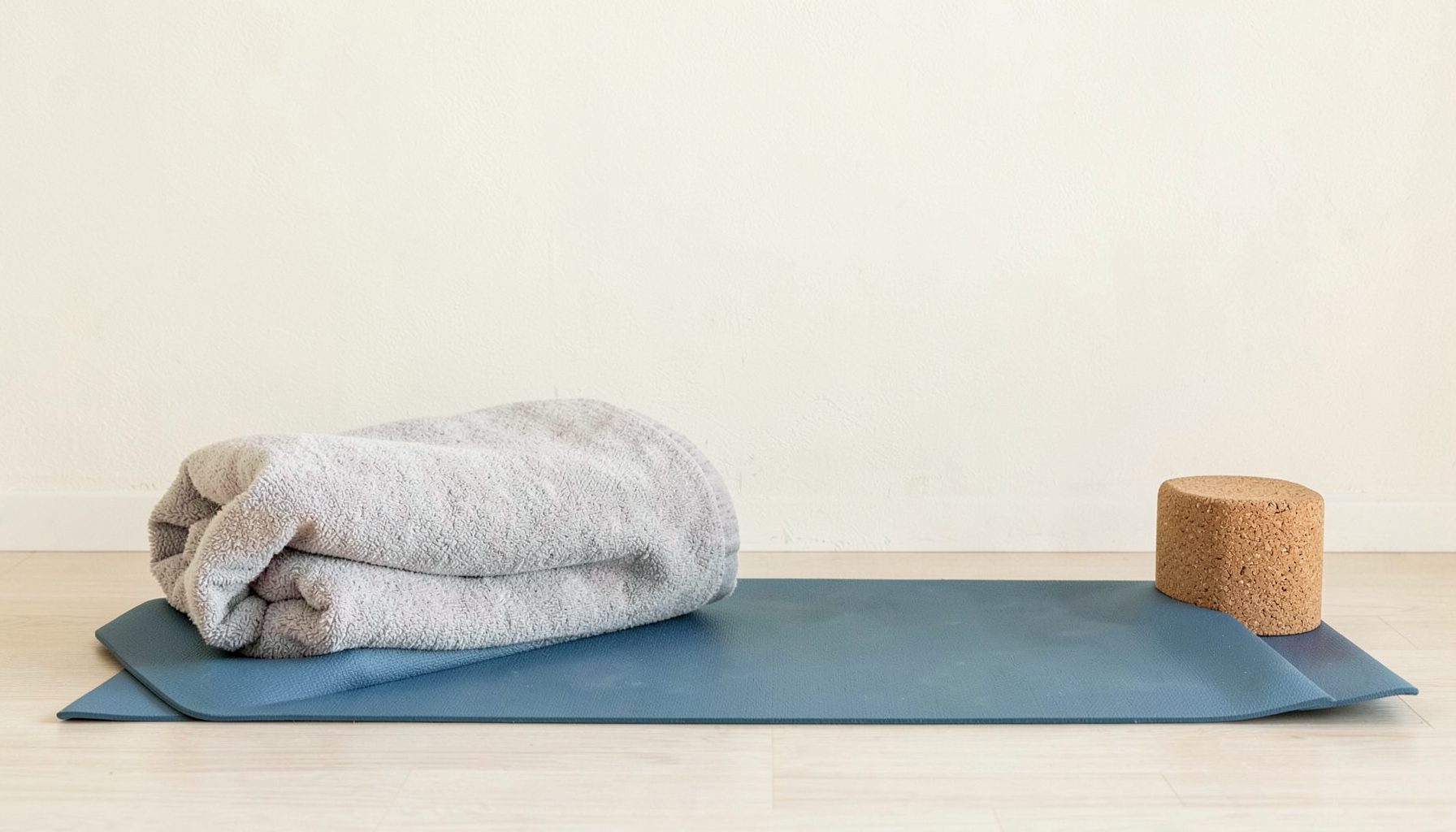
Choose a position that allows you to remain supported. Lying on your back with the legs extended or knees bent can feel restful, but lying on your side or sitting in a chair is equally valid. Place a cushion beneath the knees, a folded blanket under the head, or an extra layer over the body if you tend to feel cold.
Let your eyes close if that feels comfortable. Otherwise, soften your gaze toward one point in the room. Turn off unnecessary notifications and give yourself a modest period of time, perhaps ten to twenty minutes. A shorter practice can be deeply nourishing when your schedule is full.
Before beginning, notice the points of contact between your body and the surface beneath you. Feel the support of the floor, mat, bed, or chair. You do not have to hold yourself up in this moment. Allow the surface to carry some of your weight, and let the breath remain natural rather than deliberately deep.
A Guided Journey Through the Body
Begin by noticing the overall shape of your body. Sense where you are broad, narrow, heavy, or light. Listen for sounds around you without needing to identify or resist them. Take one unhurried breath, then allow attention to settle at the crown of the head.
Slowly bring awareness to the forehead, temples, eyes, cheeks, and jaw. Notice whether the muscles are gripping or softening. You might imagine space spreading across the forehead and behind the eyes. Let the tongue rest comfortably, and allow the jaw to separate slightly if that feels natural.
Move down through the throat, neck, shoulders, and arms. Sense the upper arms, elbows, forearms, wrists, palms, and each finger. There is no need to create movement. Simply experience the hands as they are. Feel the rise and fall of the chest, the area around the heart, and the back of the ribs.
Continue through the abdomen, waist, lower back, pelvis, and hips. These areas often respond to stress by tightening, so approach them with patience. You might silently say, “I am here,” without demanding release. Then bring awareness to the thighs, knees, calves, ankles, soles of the feet, and toes.
When the whole body has been explored, sense it as one connected field. Notice the rhythm of breathing and the support beneath you. Rest for several breaths, allowing sensations to shift in their own time. To finish, deepen the breath only if that feels comfortable, move the fingers and toes, and return gradually to the room.
Meeting Sensation Without Strain
A body scan is a practice of attention, not a test of endurance. If you encounter discomfort, see whether you can distinguish between a sensation and the reaction surrounding it. A warm, tight, or aching area may be present, while the mind adds fear, resistance, or a demand for immediate change. Recognizing these layers can create a little more space.
You are always free to adjust your position. Bend the knees, turn to one side, open the eyes, or pause the practice. Relaxation cannot be forced through physical strain. This principle is also useful during asana practice; the guidance on effort and ease offers a helpful perspective on finding steadiness without unnecessary effort.
When the mind wanders, avoid treating distraction as failure. Label it gently—planning, remembering, listening, worrying—and return to the body. Each return is part of the meditation. Over time, this repeated movement from distraction to awareness can become a practical skill for responding to stress with greater kindness.
The breath can serve as a quiet companion throughout the scan. You may notice the inhale expanding the ribs and the exhale allowing the body to settle. There is no need to lengthen the exhale or use a particular technique unless that feels supportive. Natural breathing is enough.
Choosing the Right Form of Practice
Different forms of relaxation meditation suit different moments. A full body scan may be appropriate when you have time to lie down, while a brief sensory check can help you reset between activities. The most sustainable practice is one that fits your energy, surroundings, and current needs.
| Practice | Best suited to | Helpful focus |
|---|---|---|
| Full body scan | Evening rest or bedtime | Gradual awareness from head to feet |
| Seated body check-in | Work breaks or travel | Posture, breath, jaw, and shoulders |
| Three-minute grounding | Moments of stress | Contact with the floor and natural breathing |
| Yoga nidra-inspired rest | Deep stillness and recovery | Guided attention and whole-body awareness |
| Walking scan | When stillness feels difficult | Feet, legs, balance, and surrounding sounds |
You can also combine the scan with gentle movement. A few slow stretches may make it easier to sense areas that feel dull or guarded, while restorative poses can provide physical support before meditation. If you include weight-bearing poses or preparation for inversions, prioritize comfort and consider wrist-friendly options that respect your current range of motion.
A helpful rhythm is to practice the body scan after movement rather than expecting meditation to begin from complete stillness. Yoga can release some surface-level restlessness, and the scan can then invite subtler awareness. The two practices complement each other without needing to become a demanding routine.
Small Ways to Deepen Relaxation
Relaxation grows through consistency and a welcoming environment. You might use the same blanket, dim the lights, or begin with a familiar phrase that signals a transition out of activity. These small rituals can help the mind recognize that it is safe to slow down.
Try these supportive approaches:
- Keep the first few practices between five and ten minutes, then extend them when your attention feels ready.
- Use neutral language such as “tight,” “warm,” or “pulsing” instead of judging sensations as good or bad.
- Place one hand on the abdomen or chest if gentle contact helps you feel present.
- If sleep is your intention, practice lying down and let the meditation become a natural bridge into rest.
- End slowly, taking time to notice how your mood, breathing, and physical comfort have changed.
A recorded meditation, printable sequence, or quiet written script can provide structure when you do not want to guide yourself. At other times, silence may feel more spacious. There is no need to use the same format every day; allowing the practice to adapt can help it remain caring rather than obligatory.
Notice how you feel after finishing. You may experience calm, but you may also feel more alert, emotional, or aware of tension. These responses are information, not evidence that you practiced incorrectly. Drink some water, move gently, and give yourself time to transition back into activity.
Set aside a few minutes today to lie down or sit comfortably and begin with the support beneath you. Move through the body slowly, meeting each area with patience and returning to the breath whenever the mind wanders. With regular practice, this simple meditation can become a dependable pause—a way to listen inwardly, soften unnecessary effort, and reconnect with the steadiness already present.