




Yoga for Wrist Health: Forearm Stand Prep and Alternatives
Yoga can help build stronger, more mobile wrists when practice develops gradually and respects the body’s signals. Weight-bearing poses place a unique demand on the hands, fingers, forearms, and shoulders, so preparation matters just as much as the final shape. A thoughtful approach can make handstand, forearm stand, plank, and tabletop work feel steadier and more comfortable.
Forearm stand, or Pincha Mayurasana, is an advanced inversion that asks for shoulder stability, upper-back control, balance, and confidence alongside wrist awareness. It can be a meaningful long-term goal, but it is not a required measure of strength or progress. Many effective practices support wrist health without placing the full body upside down.
The most sustainable path combines gentle mobility, progressive loading, clear modifications, and enough rest. By paying attention to pressure, grip, alignment, and recovery, you can explore arm balances while keeping your practice grounded in mindfulness and self-compassion.
Understanding Wrist Demands In Yoga
The wrist is a compact joint that transfers force between the hand and the forearm. In poses such as Downward-Facing Dog, plank, crow, and handstand, the wrist is often extended while bearing part or all of the body’s weight. This position can feel intense if the joint is stiff, the fingers are passive, or the shoulders are not sharing the load.
Healthy weight bearing begins with the whole hand. Spread the fingers comfortably, press through the pads beneath the fingers, and keep the base of the index finger and thumb rooted. This active hand reduces the tendency to collapse into the heel of the palm. At the same time, imagine lifting the space between the palm and the forearm rather than gripping rigidly.
Wrist discomfort is different from the ordinary sensation of effort. Mild muscular work in the forearms may be expected, while sharp pain, tingling, numbness, swelling, or lingering soreness deserves attention. Reduce the load or leave the pose when those signals appear. A healthcare professional can help assess persistent symptoms, previous injuries, or pain that affects daily activities.
Building A Supportive Foundation
Begin with movements that warm the hands, wrists, elbows, and shoulders without forcing range. Make slow wrist circles, move between a relaxed fist and open fingers, and gently flex and extend the wrists with the forearms supported. These small actions increase awareness and prepare the tissues before stronger loading.
A useful progression is to practice on all fours with the shoulders above the wrists. Shift the torso a few inches forward and back while keeping the fingers spread and the elbows soft. Then turn the fingers slightly outward or place the hands on blocks if a smaller wrist angle feels more comfortable. Move slowly enough to notice how pressure travels through each part of the hand.
Shoulder strength and mobility influence wrist comfort more than many practitioners realize. When the shoulders cannot flex fully or the upper back lacks control, the hands may absorb extra force. Include scapular push-ups, wall slides, puppy pose, and gentle overhead movements. Keep the ribs from flaring and avoid forcing the arms beside the ears.
Preparing For Forearm Stand
Forearm stand preparation shifts much of the load away from the wrists, but it still requires strong, active forearms and shoulders. Set up with the forearms parallel, elbows beneath or slightly narrower than the shoulders, and palms flat or hands clasped according to your anatomy. Press down through the forearms while lifting the shoulders away from the floor.
Dolphin pose is a practical starting point. From forearms and knees, tuck the toes and lift the hips, then walk the feet toward the elbows without losing shoulder elevation. You can move forward and back through dolphin to build endurance. Keep the neck relaxed and stop before the shoulders collapse or the lower back takes over.
A wall can make inversion preparation more manageable. Place the forearms a short distance from the wall and practice small hops, one leg at a time, or simply hold a stable L-shape with the feet on a chair. The purpose is to learn how to push the floor away, draw the front ribs inward, and maintain an active shoulder girdle—not to force the legs overhead.
When practicing forearm stand, work with a spotter or an experienced teacher if possible. Use a clear exit strategy: lower one leg at a time, return to child’s pose, or step down calmly. Avoid repeated kicking, which can jar the shoulders and create unnecessary fatigue. A few focused attempts are generally more useful than a long session of effortful hops.
Alternatives That Reduce Wrist Loading
There are many ways to explore inversion, balance, and upper-body strength without placing the body on extended wrists. Dolphin pose, forearm plank, and wall-supported forearm holds develop similar shoulder and core actions while keeping the wrists neutral. These options can be especially helpful during a period of wrist sensitivity or when building foundational strength.
For a gentler version of arm-balance training, practice standing poses with an overhead reach, chair pose with cactus arms, or a wall plank with the hands placed higher than the shoulders. The angle of the body determines how much weight reaches the hands, so a wall or countertop can provide a gradual transition from standing to floor-based work.
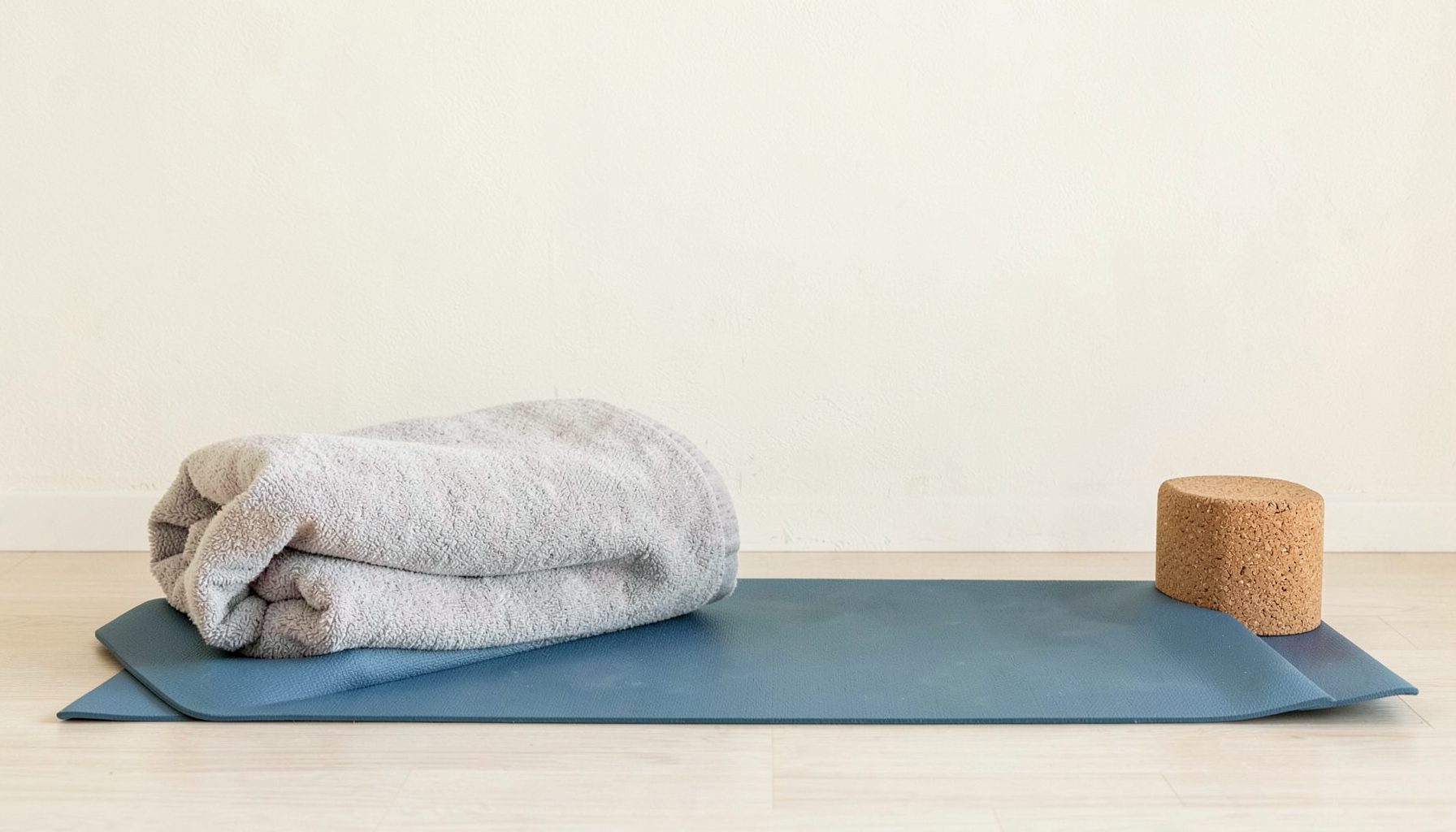
Yoga props can broaden your choices. Blocks under the hands may reduce the amount of wrist extension in some poses, while wedges can create a more comfortable angle for certain practitioners. A yoga wheel can support shoulder opening and back-body awareness when used carefully; this gentle wheel guide offers a mindful way to explore that prop without treating flexibility as a goal in itself.
The best alternative is the one that serves your intention. If you want stronger shoulders, choose dolphin or forearm plank. If you want balance, try a supported standing balance or legs-up-the-wall. If you want a calming inversion, consider a supported child’s pose variation or a restorative setup that allows the head and nervous system to settle.
Choosing The Right Variation
Different practices call for different levels of wrist involvement. Use the guide below as a starting point, then adjust based on your energy, experience, and current symptoms. A pose that feels appropriate on one day may need a modification on another.
| Practice option | Wrist demand | Main focus | Helpful modification |
|---|---|---|---|
| Tabletop shifts | Low to moderate | Hand awareness and gradual loading | Place hands on blocks or a folded mat |
| Downward-Facing Dog | Moderate | Shoulder mobility and full-hand support | Bend the knees and shorten the hold |
| Forearm plank | Low at the wrists | Core and shoulder endurance | Lower the knees or use a wall |
| Dolphin pose | Low at the wrists | Shoulder strength and inversion preparation | Keep knees bent and reduce the range |
| Wall-supported forearm stand | Low at the wrists | Balance, alignment, and confidence | Practice an L-shape with feet on a chair |
| Standing balance | Minimal | Coordination and concentration | Use a wall or keep one hand supported |
Let comfort guide the dose. Start with brief holds and several relaxed breaths rather than chasing a particular duration. Rest between repetitions, release the hands, and notice whether the wrists feel better, the same, or more irritated after practice. This feedback is more valuable than completing a predetermined sequence.
Creating A Wrist-Friendly Practice
A balanced session might begin with two or three minutes of hand and wrist mobility, followed by tabletop shifts and shoulder blade movements. Continue with cat-cow, downward-facing dog, or a wall-based version, then choose one focused strength exercise such as dolphin or forearm plank. Finish with movements that release the hands and calm the breath.
Avoid placing every weight-bearing pose together. Alternating a loaded posture with standing movement, seated breathing, or gentle hip work gives the wrists time to recover. You can also vary hand position, use forearm-based options, and keep some practices entirely free of wrist loading.
Mindfulness changes how you approach progression. Instead of asking whether you can force your way into a shape, notice whether you can remain present, breathe smoothly, and leave the pose with more steadiness than strain. Self-compassion is a practical training tool: it helps you recognize limits early and return consistently.
A teacher can help refine hand placement, shoulder mechanics, and prop use, especially when you are learning inversions. For broader support, explore yoga retreats where focused practice, reflection, and skilled guidance can create space for a more sustainable relationship with movement.
Simple Guidelines For Safer Progress
Progress does not require daily wrist loading. Two or three focused sessions each week may be enough to build capacity, particularly when you also include general strength, shoulder mobility, and recovery. Increase only one variable at a time: duration, repetitions, range of motion, or balance challenge.
Keep the breath steady and the face relaxed. Breath holding, clenched fingers, and tense shoulders often signal that the pose has become too demanding. Step back before form deteriorates, and treat a modification as a precise response to your body rather than a lesser version of practice.
- Warm the wrists and shoulders before any extended weight-bearing sequence.
- Spread the fingers and press through the whole hand instead of sinking into the heel of the palm.
- Use dolphin, forearm plank, wall work, or standing balances when the wrists need less load.
- Stop for sharp pain, tingling, numbness, swelling, or symptoms that linger after practice.
- Build consistency through short, attentive sessions rather than repeated maximal attempts.
After practice, gently shake out the hands and let the forearms relax. A comfortable wrist-neutral rest, such as lying down with the hands supported, may feel better than aggressive stretching. Recovery is part of strengthening because tissues need time to adapt to new demands.
Forearm stand preparation can become a valuable exploration of patience, alignment, and courage, whether or not the full pose ever becomes part of your practice. Begin with the hands, shoulders, breath, and nervous system; then let progress develop at a pace you can sustain. Explore a wrist-friendly sequence in class, download a mindful practice resource, or set aside a few quiet minutes this week to work through the gentler options with care.