




Yoga when you are sick or injured: listening to your limits
Yoga can be a supportive companion when your body feels unsettled, but it is not always the right time for a full practice. A fever, strained muscle, healing joint, respiratory infection, or sudden flare-up may require rest, medical care, or a gentler form of movement. The skill is not forcing yourself to continue. It is learning to respond to what your body is communicating.
Yoga when you are sick or injured: listening to your limits means replacing automatic effort with awareness. Some days, that may mean lying down and breathing quietly. On another day, it may mean a short mobility sequence that keeps the rest of your body comfortable without disturbing the area that needs to heal.
A mindful practice does not need to look impressive or physically demanding. Breathwork, meditation, body scanning, and compassionate rest can all be meaningful parts of yoga. When you stop treating rest as failure, you create a more sustainable relationship with movement and recovery.
Begin with an honest body check
Before unrolling your mat, pause for a few moments and notice your overall state. Ask yourself whether your symptoms are improving, stable, or worsening. Notice your energy, temperature, breathing, pain level, balance, and emotional capacity. This simple check-in can prevent you from beginning a practice that your body is not ready to manage.
Pain deserves particular attention. Mild stiffness that eases with careful movement is different from sharp, burning, electric, or escalating pain. A sensation that changes your gait, affects your grip, makes you hold your breath, or causes you to compensate elsewhere is a reason to stop and reassess. Pain is not a challenge to overcome for the sake of completing a sequence.
It can also help to distinguish discomfort from depletion. If you are exhausted, dizzy, feverish, nauseated, or unusually weak, your nervous system may benefit more from stillness than stimulation. You do not need to earn rest through productivity, and you do not need to prove commitment by practicing through illness.
When rest is the most supportive practice
During a fever, active infection, vomiting, diarrhea, or significant respiratory distress, vigorous yoga is generally inappropriate. Strong flows, heated rooms, inversions, and breath retention can place additional demands on a system already working to recover. Rest, hydration, prescribed treatment, and professional medical guidance should take priority.
If you have a mild cold and feel well enough to move, keep the practice brief and gentle. Try supported positions, relaxed breathing without forcing inhalations, or slow movements that do not increase fatigue. Avoid practicing in shared studios while contagious; an at-home meditation or quiet restorative session protects other people as well as your own recovery.
Breathwork needs special care when you are congested or short of breath. There is no need to deepen, lengthen, or control the breath aggressively. Let breathing remain natural, perhaps placing one hand on the abdomen to observe movement. Stop immediately if you feel lightheaded, panicked, chest discomfort, or increased breathlessness, and seek appropriate medical advice when symptoms are concerning.
Rest can feel emotionally difficult for people who use yoga as a source of routine and stability. A five-minute body scan, a few minutes of mindful listening, or repeating a calming phrase can maintain connection with your practice without asking the body to perform. This is where self-compassion in practice becomes practical rather than abstract.
Adapting around an injury
An injury changes the question from “Can I do yoga?” to “What kind of movement is safe and useful today?” The answer depends on the tissue involved, the stage of healing, the cause of the injury, and guidance from a qualified healthcare professional. Yoga teachers can offer modifications, but they should not diagnose injuries or replace medical assessment.
In the early phase of an injury, protect the affected area from movements that increase pain, swelling, instability, or inflammation. You might practice seated spinal movements while keeping an injured knee supported, or explore gentle shoulder mobility while avoiding weight-bearing through an irritated wrist. The modification should feel clear and controlled, not like a creative way to disguise strain.
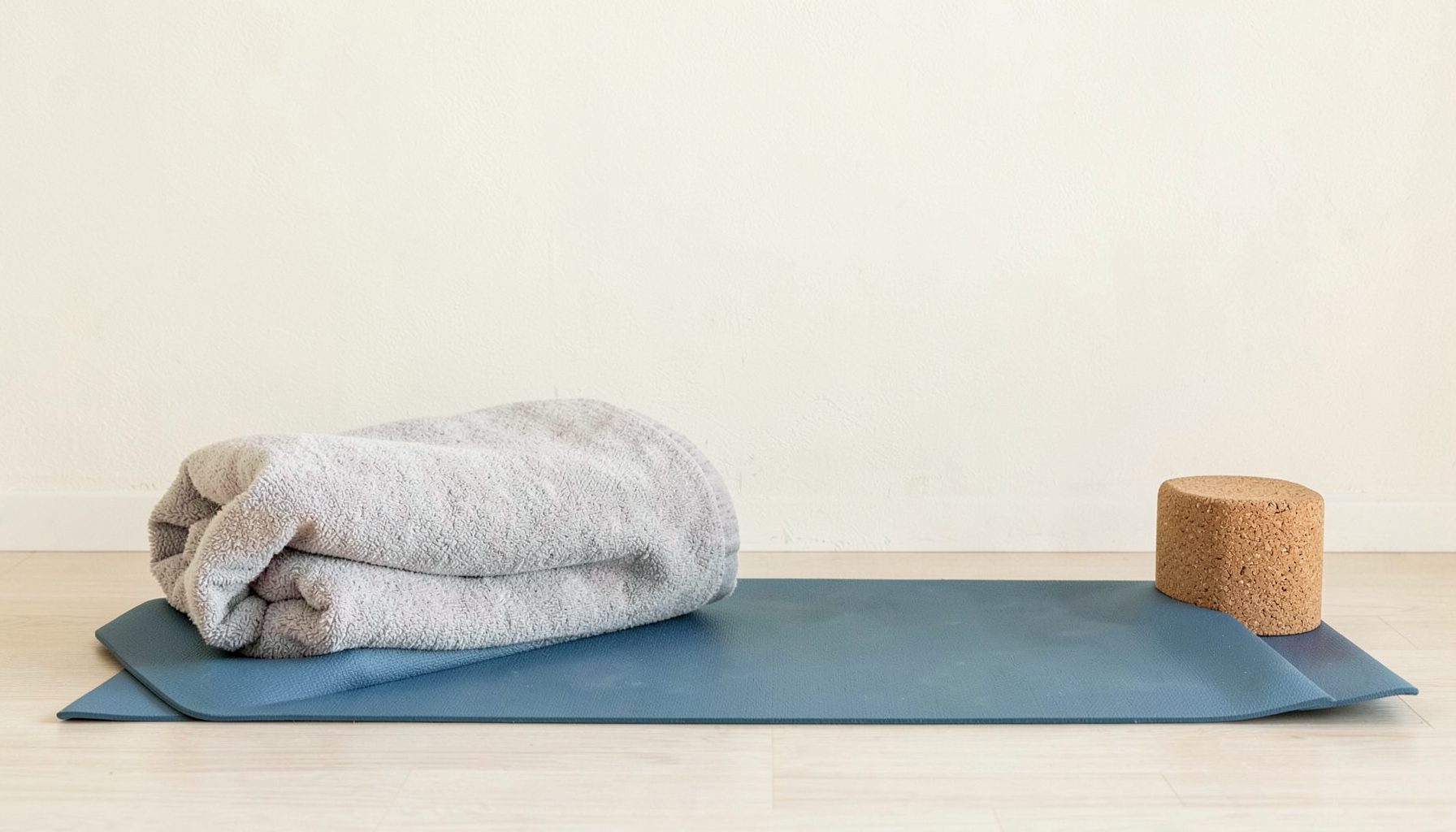
Props can reduce effort and improve stability. A folded blanket may support a joint, a wall can assist balance, and a bolster can make restorative poses more comfortable. Yet props do not make every pose appropriate. If a position creates pulling, compression, tingling, or apprehension, come out of it and choose a different shape.
Be especially cautious with stretching an injured area. Stretching can feel satisfying, but a healing tendon, ligament, muscle, or joint may need protection rather than increased range. Mobility should be gradual and guided by symptoms. A useful practice leaves you feeling steadier afterward, not more sore several hours later or the next morning.
Choose movement that supports recovery
When energy is limited, whole-body movement is not required. You can keep the practice local and simple: circle the ankles, move the fingers, roll the shoulders gently, or explore comfortable neck movement without forcing a range. These small actions may reduce stiffness while allowing an injured region to remain quiet.
A restorative yoga sequence can include supported child’s pose, constructive rest, legs elevated on a chair, or a comfortable side-lying position, provided each option suits your symptoms. The purpose is ease, not achievement. Stay for a few breaths, observe the effects, and leave the pose before your body has to brace or struggle.
Sometimes the best alternative is a non-physical practice. Mindfulness meditation can help you notice sensations without immediately reacting to them. A guided relaxation can soften unnecessary tension. Journaling may reveal fear, impatience, or pressure to recover quickly. These practices support the mental and emotional dimensions of healing, which are often overlooked when progress is measured only by physical capacity.
| Situation | More supportive options | Avoid or reconsider |
|---|---|---|
| Fever or active infection | Rest, hydration, quiet meditation | Vigorous flow, hot yoga, intense breathwork |
| Mild cold with stable energy | Gentle mobility, supported poses, natural breathing | Long practice, inversions, forceful breathing |
| Acute pain or swelling | Medical guidance, protection, comfortable positions away from the injury | Stretching into pain, loaded movement, testing limits repeatedly |
| Healing injury with clearance | Carefully scaled mobility, props, short sessions | Sudden increases in intensity or range |
| Fatigue without acute symptoms | Restorative yoga, body scan, brief walk if comfortable | Practicing from guilt or exhaustion |
| Dizziness or breathlessness | Stop, sit or lie safely, seek appropriate advice | Continuing, breath retention, balancing poses |
Return gradually instead of restarting at full speed
Recovery is rarely a straight line. You may feel better in the morning and more tired later, or manage a short practice one day and need rest the next. A temporary improvement does not always mean the body is ready for your previous level of intensity. Treat the return to movement as an experiment rather than a test.
Begin with a fraction of your usual duration and effort. If you normally practice for an hour, try ten or fifteen minutes. Choose familiar movements with predictable demands, and leave out the poses that previously aggravated symptoms. Keep the breath easy and maintain enough attention to notice early warning signs.
After practice, evaluate the delayed response. Did your pain increase that evening? Are you more swollen, fatigued, or restricted the next day? Did sleep improve or worsen? These details are useful feedback. If symptoms flare, reduce the intensity or pause and consult a clinician, rather than interpreting the flare as a lack of discipline.
A gradual return might move through several stages: resting awareness, gentle mobility, supported strength, moderate flow, and eventually more demanding work. There is no universal timetable. Healing tissue and recovering energy levels need individual consideration, so a physiotherapist, physician, or other qualified professional can help establish sensible boundaries.
Make self-compassion part of the method
Many people understand their physical limits but still judge themselves for having them. They may compare their current practice with a former ability, feel guilty for missing class, or worry that rest will lead to losing progress. This inner pressure can encourage risky decisions and make recovery feel like a personal failure.
Try using neutral, respectful language. Instead of saying, “My body is letting me down,” you might say, “My body is asking for a different kind of care today.” Instead of “I should be able to do this,” try, “This movement is not suitable at this stage.” Such language does not deny disappointment; it creates room to respond intelligently.
A sustainable practice includes changing plans. It may mean attending a class only to meditate, choosing a downloadable gentle sequence, or practicing from bed with a few relaxed breaths. The value of yoga is not measured by how much discomfort you tolerate. It can be found in the quality of your attention and the kindness of your response.
Practical ways to respect your limits
- Set a clear intention before practicing, such as reducing tension, maintaining ease, or resting the nervous system.
- Use a simple symptom scale and stop if pain, fatigue, dizziness, or breathlessness begins to rise.
- Keep the injured or symptomatic area supported rather than repeatedly testing its range.
- Choose shorter sessions and assess how you feel later that day and the following morning.
- Ask a qualified healthcare professional for guidance when symptoms are severe, persistent, or unclear.
Listening carefully does not make your practice smaller; it makes it more responsive. Some days, yoga may be a sequence of movements. Other days, it may be the decision to cancel a class, place a blanket beneath your knees, or breathe without trying to change anything. Each choice can strengthen your ability to meet yourself honestly.
If you are recovering from illness or injury, let your next practice be modest, attentive, and free from performance pressure. Explore gentle classes, restorative resources, and mindful practices that respect where you are today, returning to fuller movement only when your body clearly shows that it is ready.