
Yoga Props 101: Blocks, Straps, Bolsters, and How to Use Them
Yoga props are practical tools that make movement more comfortable, steady, and adaptable. A block can bring the floor closer, a strap can extend your reach, and a bolster can give the body a reassuring place to rest. These supports are useful for beginners, experienced practitioners, and anyone navigating changes in energy, mobility, or confidence.
Using props does not mean that you are doing a pose incorrectly. It means you are paying attention to what your body needs today. Support can help you explore alignment without forcing range, stay present with your breath, and create a practice that feels sustainable rather than demanding.
The most useful prop is the one that helps you breathe more freely and remain connected to sensation. With a few simple adjustments, familiar postures can become more accessible, restorative, or quietly challenging.
Why Yoga Props Matter
Yoga props create options. They can reduce the distance between your hands and the floor, provide feedback about alignment, or support parts of the body that would otherwise tense to maintain a position. This makes them especially valuable in poses involving hamstrings, hips, shoulders, balance, and spinal extension.
A prop may also help you stay longer in a posture without gripping. For example, sitting on a folded blanket or bolster can lift the pelvis and make a seated forward fold more comfortable. Placing a block beneath the hand in Triangle Pose can help you lengthen through the spine rather than collapsing toward the floor.
Props are also a mindfulness aid. As you arrange a block, wrap a strap, or settle onto a bolster, you have a chance to slow down and notice your intention. This reflects the spirit of practicing ahimsa: approaching the body with care instead of treating discomfort as a requirement for progress.
Blocks Bring the Ground Closer
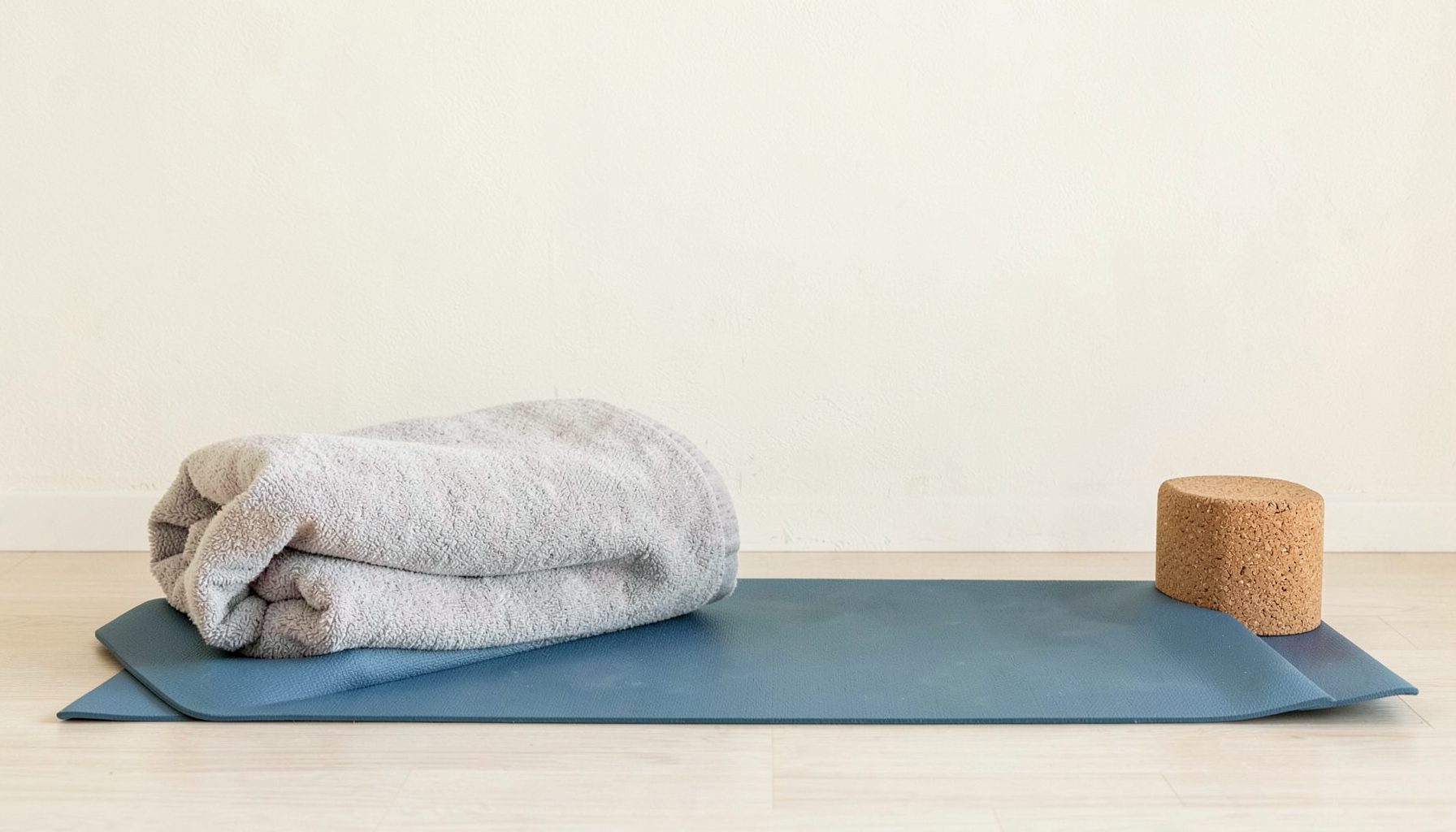
Yoga blocks are usually made from foam, cork, or wood. Foam blocks are lightweight and slightly forgiving, while cork and wooden blocks offer a firmer, more stable surface. Most blocks have three heights, allowing you to choose how much support you need without changing the overall shape of a pose.
In standing poses, place a block beneath your hand when reaching the floor causes your chest to turn downward or your shoulder to strain. In Triangle Pose, Extended Side Angle, and Half Moon, the block can help preserve length through the spine. Begin with the tallest setting, then adjust gradually if your breath remains easy and your shoulders stay relaxed.
Blocks are equally useful in seated and restorative postures. Sit on one or two blocks in Easy Pose to give your knees more space and help your pelvis tilt forward naturally. In Bridge Pose, a block beneath the sacrum can offer gentle support for a longer hold, provided the placement feels stable and the back of the neck remains comfortable.
A block should support the posture rather than force it. Avoid pressing heavily into a prop or using it to push a joint beyond its natural range. If a block feels wobbly, lower its height or move it closer to your body.
Straps Create Length Without Strain
A yoga strap is a long, adjustable belt that can help connect the hands and feet when flexibility or shoulder mobility is limited. It does not replace active engagement. Instead, it gives you a way to maintain the shape of a pose while keeping the muscles from overworking.
In a seated forward fold, loop the strap around the soles of the feet and hold the ends with both hands. Keep the spine long and use the strap as a gentle guide rather than pulling yourself deeper. The aim is to feel length through the back of the legs while maintaining calm breathing.
Straps are also helpful for shoulder-opening work. In Eagle Arms variations or overhead stretches, holding the strap with a wide grip gives the arms room to move. You can gradually bring the hands closer together if that feels appropriate, though there is no need to reach a particular distance.
For Reclined Bound Angle Pose, a strap can be looped around the pelvis and feet to support the legs. The setup should feel secure, with no pressure on the knees. A folded blanket beneath each outer thigh can add another layer of comfort and help the inner thighs release.
Use a strap with steady, moderate tension. If your fingers, wrists, shoulders, or jaw begin to grip, loosen the loop or widen your hold. Props work best when they encourage patience instead of creating leverage for force.
Bolsters Offer Restful Support
Bolsters are firm, cylindrical or rectangular cushions designed to support the torso, pelvis, knees, or legs. They are especially useful in restorative yoga, gentle floor sequences, pregnancy-friendly variations, and practices focused on downregulating the nervous system.
In Supported Child’s Pose, place a bolster lengthwise beneath the torso and turn the head to one side, switching sides halfway through. In Supported Forward Fold, the bolster can provide a comfortable surface for the chest and forehead. These arrangements allow the body to soften without losing a sense of containment.
A bolster beneath the knees in Savasana can reduce pulling in the lower back. Placing one beneath the upper back in a supported heart opener can create gentle extension through the chest, but the head should remain supported if the neck feels strained. A folded blanket can fill any gap and make the position more evenly supported.
Restorative poses are not about enduring a long stillness. They are an opportunity to observe subtle sensations, breath patterns, and emotional responses. If you feel numbness, pinching, dizziness, or a strong urge to escape the posture, change the setup or come out slowly.
| Prop | Main purpose | Useful poses | Helpful reminder |
|---|---|---|---|
| Block | Brings the floor closer and improves stability | Triangle, Half Moon, Bridge | Start at the highest height |
| Strap | Adds reach and supports shoulder or hamstring mobility | Forward Fold, Cow Face Arms, Reclined Bound Angle | Keep tension gentle |
| Bolster | Supports the body during restful shapes | Child’s Pose, Savasana, Supported Heart Opener | Fill gaps with blankets |
| Blanket | Adds warmth, height, and cushioning | Seated poses, kneeling poses, Savasana | Fold it to match the need |
| Wall | Provides balance and grounding | Legs Up the Wall, standing balance, Downward Dog | Use steady contact without leaning heavily |
Choose Props Based on Your Intention
The same prop can serve different purposes depending on the quality you want from your practice. If your intention is stability, choose firm support and a setup that reduces wobbling. If your intention is ease, use cushions and blankets to remove unnecessary effort. If your intention is exploration, use a block or strap to investigate alignment without rushing toward a deeper variation.
Consider what your body is communicating before selecting a pose. Tight hamstrings may call for a strap or blocks in a forward fold. Sensitive knees may benefit from a blanket beneath the kneecaps. Fatigue may be a reason to practice on the floor with a bolster rather than attempt a vigorous standing sequence.
There is no requirement to use every prop in one session. One block beneath the pelvis can transform a seated meditation. A strap may be enough for a short shoulder sequence. A bolster and blanket can turn several minutes of quiet rest into a meaningful practice. Simple arrangements are often easier to repeat consistently.
For ideas that connect movement with reflection, the Camille Dodson Yoga blog offers a place to explore mindful practice, daily life, and the many ways yoga can meet you where you are.
Build A Supportive Home Setup
You do not need a dedicated yoga room or a large collection of equipment. A clear patch of floor, a mat, and one or two versatile props are enough to begin. If you do not have a traditional yoga block, a stack of sturdy books may work for some poses, as long as it is stable and cannot slide apart.
A belt, scarf, or wide fabric strap can sometimes substitute for a yoga strap, though avoid anything stretchy or narrow that could dig into the skin. Firm cushions may stand in for a bolster, and folded towels can provide height beneath the knees, hips, or head. Improvised props should be checked carefully before you place weight on them.
Keep frequently used supports somewhere visible. When props are easy to reach, you are more likely to use them before strain appears. Set up the space with enough room to move around the mat, and keep hard or unstable objects away from areas where you may fall.
Before beginning, test each arrangement with light pressure. Notice whether the prop slides, tips, or creates a sharp edge. A safe setup should allow you to breathe naturally and leave the body feeling more organized, not trapped.
Make Prop Use A Gentle Habit
A few small choices can make props feel like a natural part of practice rather than special equipment reserved for difficult poses. Begin with one question: what would make this posture more spacious, steady, or comfortable? Then choose the simplest support that answers it.
- Use blocks early, before you feel the need to reach or strain.
- Keep a strap nearby for seated stretches and shoulder mobility.
- Place a bolster or folded blanket beneath areas that cannot fully relax.
- Adjust height, width, and distance instead of forcing your body to fit the prop.
- Leave a few quiet breaths after every adjustment to assess the effect.
If a prop changes the pose so much that you lose awareness, simplify the setup. Support should sharpen your attention, not distract you with constant correction. Over time, you may discover that the most valuable outcome is not a more dramatic shape but a clearer understanding of your own boundaries.
A sustainable yoga practice includes days when the body wants movement and days when it asks for rest. Props can bridge those experiences, helping you continue with sensitivity while honoring changing needs.
Practice With More Ease
Try adding one prop to a familiar sequence this week. Place a block beneath your hands in a standing fold, use a strap for a gentle hamstring stretch, or rest your knees on a bolster during Savasana. Stay for several breaths and observe whether the support changes your ability to soften, focus, and move without pressure.
Explore classes, retreats, reflections, and downloadable resources from Camille Dodson Yoga to find practices that meet you with steadiness and compassion. Let your props be simple companions: practical reminders that care, awareness, and comfort belong on the mat.