

Yoga for Tight Hamstrings: Gentle Options and Progressions
Tight hamstrings can make familiar movements feel restricted, especially forward folds, seated stretches, and transitions that involve straightening the legs. The sensation may come from limited flexibility, muscular guarding, long periods of sitting, changes in activity, or simply the way your body is built. It does not mean that anything is wrong or that you need to force a deeper stretch. Learn more about A Guided Loving Kindness Meditation For Self And Others.
A mindful yoga practice can help you explore the backs of the legs with steadiness and care. Rather than chasing maximum range, you can use breath, supportive props, and gradual progressions to create more ease around the hips, knees, and lower back.
The most useful approach is often gentle and consistent. A few minutes of comfortable movement several times a week may serve you better than an occasional intense session that leaves the hamstrings sore or irritated.
Why the Backs of the Legs Feel Restricted
The hamstrings are a group of muscles at the back of the thighs. They cross both the hip and knee joints, which means their sensation can change depending on whether the knees are bent, the pelvis is tilted, or the spine is rounded. A pose that feels mild with bent knees may feel much stronger when the legs are straight.
A feeling of tightness is not always a direct measurement of muscle length. Your nervous system may create a protective response when it senses unfamiliar range, instability, or too much intensity. The sciatic nerve and surrounding tissues can also contribute to sensations in the backs of the legs. For this reason, stretching harder is not automatically the best way to gain mobility.
Your daily habits matter as well. Desk work, driving, repetitive training, and limited walking can make the hips and legs feel less mobile. Fatigue, stress, and a lack of warm-up may increase your awareness of restriction. Yoga offers an opportunity to notice these influences without treating your body as a problem to solve.
Principles for a More Comfortable Practice
Begin with warmth rather than immediately reaching for a long static stretch. Gentle walking, ankle movements, cat-cow motions, or several rounds of a slow sun-breath sequence can prepare the tissues. If you practice soon after waking, spend extra time moving before attempting a strong forward fold.
Keep a small bend in the knees whenever a straight-leg position creates strain. This allows the pelvis to tilt more freely and can reduce pulling behind the knees. In standing poses, place your hands on blocks or a chair so that your spine does not need to round simply to reach the floor.
Use the breath as information. A steady exhale may help you soften unnecessary gripping, while breath-holding often signals that the intensity is too high. Aim for a sensation that is noticeable but manageable—perhaps a mild stretch rated around three or four out of ten. Sharp pain, tingling, numbness, burning, or pain that travels down the leg is a reason to stop and seek appropriate professional guidance.
A compassionate mindset supports sustainable progress. Camille Dodson’s personal yoga approach centers mindful movement and self-awareness, which can help shift attention away from performing a shape and toward building a dependable relationship with your body.
Gentle Poses to Begin With
Constructive rest is a simple starting point. Lie on your back with your knees bent and feet resting on the floor. Notice the weight of your pelvis and the natural movement of your breath. From there, lift one foot at a time and slowly extend the lower leg toward the ceiling, keeping the knee soft. You can hold behind the thigh rather than pulling on the calf or foot.
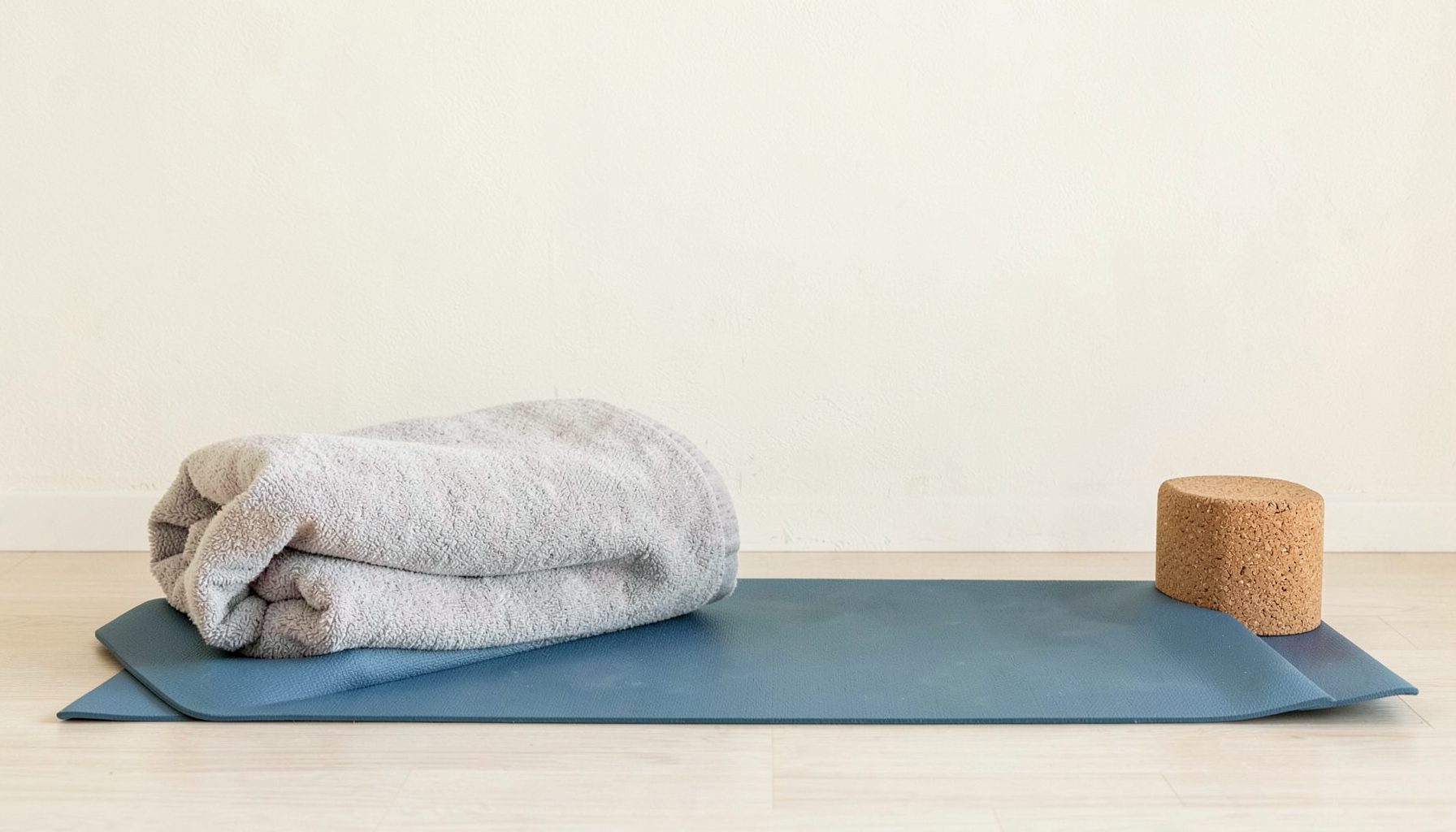
A reclined hand-to-big-toe variation can be practiced with a yoga strap around the sole of the foot. Keep the opposite knee bent or extend that leg along the floor only if your lower back remains comfortable. The strap should provide length and support, not act as a lever to force the leg closer to your face. Several calm breaths are enough before changing sides.
For a standing option, try a supported half forward fold. Stand with feet hip-distance apart, bend the knees, and place your hands on blocks, a chair, or your thighs. Send the sitting bones back as the chest lengthens forward. The aim is to create space through the back body while maintaining an easy neck and unstrained breathing.
A low lunge can address the relationship between the hip flexors and hamstrings. Step one foot forward, lower the back knee, and keep the front knee comfortably bent. Shift the hips gently backward without locking the front knee, then return to the lunge. Moving between these two shapes often feels more accessible than holding a strong stretch.
A Gradual Path From Mobility to Length
Progression does not have to mean moving deeper. You might first increase the time you can stay relaxed, then improve control, then explore a slightly larger range. For example, practice a supported half forward fold with bent knees for several sessions before gradually straightening the legs. Keep the same calm breath and stable spine as your guide.
Dynamic movement is useful for people who feel stiff at the beginning of practice. From a tabletop position, extend one leg back and then draw it forward, or move from a low lunge toward a half split and back again. Slow repetitions teach the body that the available range can be used safely. They also reduce the temptation to pull aggressively into a fixed shape.
When the basic options feel steady, try pyramid pose with a shortened stance and plenty of support. Keep both hips facing forward as much as is comfortable, bend the front knee, and rest your hands on blocks. Lengthen the spine on an inhale and fold only as far as you can without losing that length. Over time, you may straighten the front leg a little more, but that is optional.
Strength can be part of flexibility training. Bridge pose, heel digs into the floor, and controlled leg extensions help the hamstrings develop confidence under load. A muscle that can contract and lengthen with control may feel more capable than one that is only passively stretched. Include strengthening gently, especially if you are returning from injury or have a history of strains.
| Practice option | Main purpose | Helpful support | Sign to ease back |
|---|---|---|---|
| Reclined leg extension | Explore hamstring length with the spine supported | Strap behind the thigh or around the foot | Pulling behind the knee or lower-back tension |
| Supported half fold | Combine hip movement with spinal length | Blocks, chair, or thighs | Rounded back and held breath |
| Low lunge to half split | Mobilize the hips and back of the leg dynamically | Blanket under the back knee | Sharp sensation at the front knee |
| Pyramid variation | Build control in a standing position | Two blocks and a shortened stance | Weight shifting into the front heel |
| Bridge or heel digs | Develop hamstring strength | Mat or folded blanket | Cramping or gripping in the calves |
How to Shape a Short Home Sequence
A short sequence can begin with two minutes of easy movement, such as walking in place, rolling the shoulders, and circling the ankles. Follow with several rounds of cat-cow or a tabletop leg extension. Keep the pace slow enough that you can notice where you are holding tension.
Next, practice reclined leg extensions on both sides, followed by low lunge movements. Spend about five breaths in a supported half fold, then release by bending the knees and slowly rolling or lifting back to standing. Include a rest period afterward so you can sense the effects rather than immediately moving on.
Consistency matters more than duration. Five to fifteen minutes may be enough on a busy day, while a longer practice can include hamstring strengthening, hip mobility, and restorative poses. Avoid comparing left and right sides or trying to make them identical. Small differences are common, and forcing symmetry can create unnecessary strain.
Self-compassion is also a practical tool for progress. A brief loving-kindness meditation can help you practice supportive attention when your body feels resistant, tired, or different from day to day. The purpose is not to persuade yourself that every sensation is pleasant, but to respond with less judgment and more care.
Common Habits That Limit Progress
One common habit is treating the strongest sensation as the most effective one. Intense stretching can temporarily create a feeling of openness, yet it may also provoke guarding or soreness. If your hamstrings feel worse for more than a day after practice, reduce the range, shorten the holds, or focus on dynamic movement and strength.
Another is straightening the knees at all costs. Locked knees can shift pressure toward the back of the joint and encourage the pelvis to tuck under. A soft bend is not a failure or a lesser version of the pose; it is often the position that allows the hips and spine to move with greater integrity.
It is also easy to overlook the rest of the body. Tight calves, limited ankle movement, hip stiffness, or weakness in the glutes can affect how a forward fold feels. Explore the entire movement pattern instead of assuming the hamstrings are solely responsible. Supportive footwear, regular walking, and breaks from sitting may be just as relevant as a stretching routine.
If you have a recent hamstring injury, persistent back pain, diagnosed nerve symptoms, or pain that worsens with practice, individualized care is important. Yoga can complement medical or physiotherapy support, but it should not replace assessment when symptoms are ongoing or severe.
A Sustainable Weekly Rhythm
A balanced week might include two or three brief mobility practices, one session with more deliberate strength work, and regular everyday movement. On days when the legs feel tired, choose constructive rest, gentle knee bends, or a supported reclined practice. On energetic days, include standing poses and controlled transitions.
Use a simple check-in before and after practice. Notice how freely you can breathe, whether your weight feels balanced, and whether the sensation changes as you move. Progress may appear as less apprehension, smoother transitions, improved control, or a quicker return to comfort—not only as a deeper fold.
These recommendations can keep the practice grounded:
- Warm the body with easy movement before longer hamstring stretches.
- Keep the knees soft and use props to preserve a long, comfortable spine.
- Prefer steady breathing and moderate sensation over maximum range.
- Include strengthening and dynamic movements alongside passive stretching.
- Adjust or stop when you notice sharp pain, tingling, numbness, or lingering soreness.
The goal is a relationship with movement that can continue through changing energy levels, schedules, and life circumstances. Let the practice meet you where you are, then offer one manageable step toward greater ease. Begin with a supported option today, return to it regularly, and let patience become part of the progress.