




A guided loving-kindness meditation for self and others
Loving-kindness meditation, also known as metta practice, is a gentle form of mindfulness that directs warm, compassionate intentions toward yourself and other people. Rather than trying to force a particular emotion, you repeat simple phrases and make space for care, steadiness, and goodwill to arise in their own time.
This practice can be especially supportive when self-criticism, stress, loneliness, or emotional fatigue have become familiar patterns. It does not ask you to deny difficulty or pretend that every relationship feels safe and easy. Instead, it offers a way to meet your inner experience with less judgment while gradually widening your capacity for compassion.
You can use the meditation below as a short daily practice, a quiet pause after yoga, or a longer reflective session. Camille’s gentle yoga approach places value on accessibility and self-compassion, qualities that also make loving-kindness meditation adaptable for different bodies, moods, and stages of life.
What loving-kindness meditation offers
At its heart, this is a practice of intentional attention. You bring to mind a person, repeat a few benevolent phrases, and notice what happens in your body and mind. Some days the words may feel heartfelt. On other days they may feel distant, awkward, or purely intellectual. All of these experiences belong in the practice.
Loving-kindness is not the same as approving of harmful behavior, ignoring boundaries, or becoming endlessly available to others. You can wish someone freedom from suffering while still choosing distance, accountability, or protection. Compassion includes wisdom. It recognizes the humanity of others without asking you to abandon your own needs.
The practice can also soften the habit of directing every kind thought outward. Many people find it easier to offer encouragement to a friend than to themselves. Beginning with self-kindness gives you an opportunity to notice how you speak inwardly and to experiment with a more supportive voice.
Preparing for a quiet practice
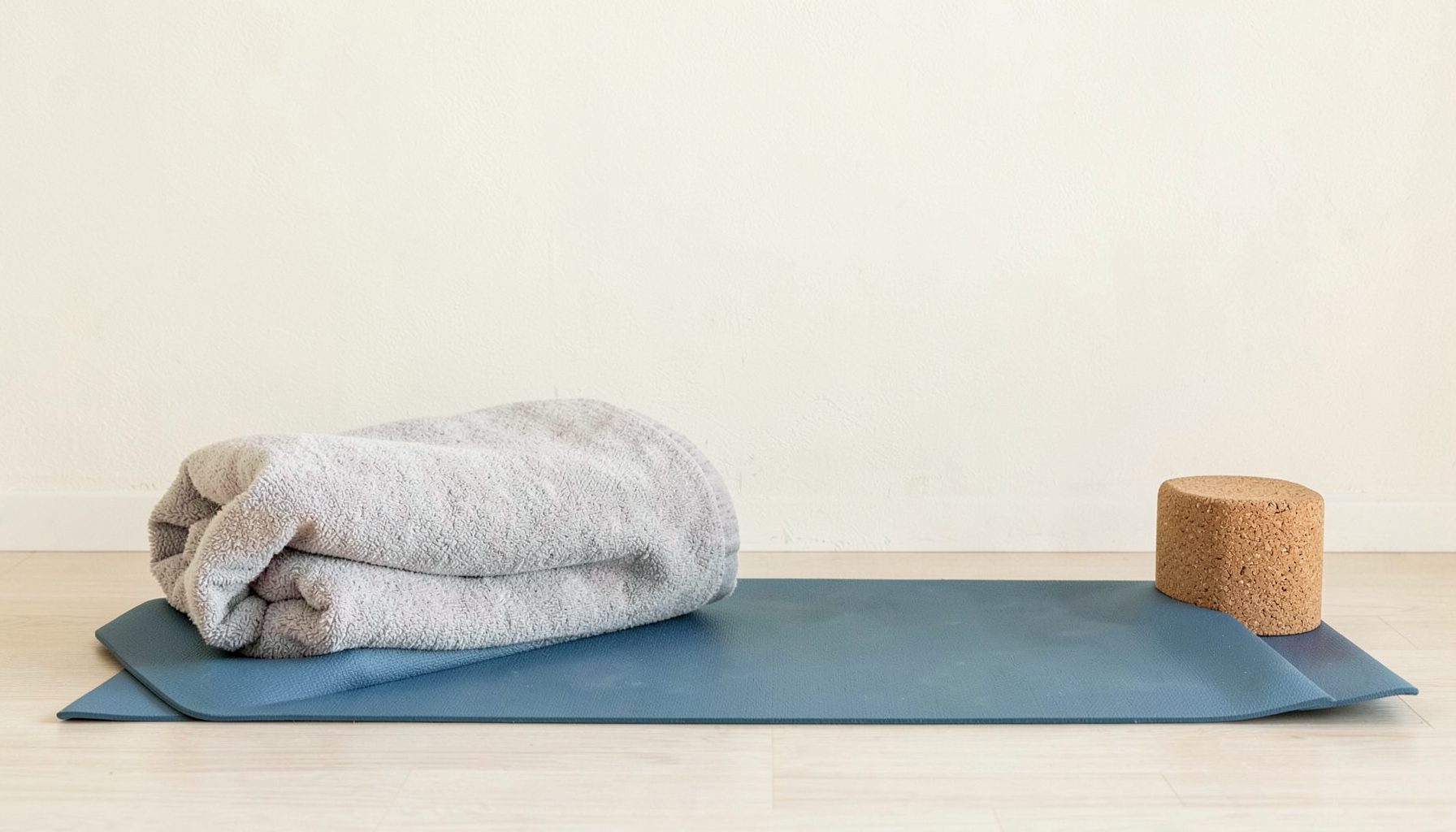
Choose a position that allows you to feel both supported and awake. You might sit on a cushion, rest in a chair with your feet on the floor, or lie down if sitting is uncomfortable. Let your hands settle wherever they feel natural. You can close your eyes, lower your gaze, or keep your eyes open with a soft focus.
Take a few unhurried breaths without trying to change your breathing pattern. Feel the contact between your body and the surface beneath you. Notice the movement of the ribs, the temperature of the air, and any areas of tension. You do not need to achieve perfect stillness before beginning; arriving as you are is enough.
If strong emotions arise, shorten the practice or return to simple grounding sensations. Feel your feet, name a few objects in the room, or place a hand on your chest or abdomen. A trauma-sensitive approach gives you permission to pause, look around, and choose phrases that feel reassuring rather than demanding.
A guided practice for yourself and others
Begin by bringing your attention to yourself. There is no need to create a flattering image or make yourself feel instantly positive. You may simply sense your body sitting or lying down. Silently repeat each phrase several times, allowing a natural breath between phrases:
May I be safe.
May I be peaceful.
May I be healthy enough for this moment.
May I live with ease.
Use language that feels honest. If “May I be happy” feels too far away, try “May I meet this moment with kindness” or “May I have the support I need.” The aim is not to make a promise about the future. It is to offer a compassionate intention in the present.
Next, bring to mind someone who has offered you care, encouragement, or simple friendliness. This can be a close friend, teacher, relative, neighbor, or even a beloved animal. Picture them gently, without needing to create a detailed scene, and repeat:
May you be safe.
May you be peaceful.
May you be healthy enough for this moment.
May you live with ease.
Allow the feeling of goodwill to expand naturally. You might imagine the phrases traveling with the breath, or you might simply repeat the words while sensing the person’s presence. There is no requirement to feel warmth. Sincere intention is enough.
When you are ready, bring to mind a neutral person—someone you recognize but do not know well. Perhaps it is a colleague, a neighbor, or someone you regularly see in a shop. Offer them the same wishes. Finally, if it feels appropriate, extend the practice to a wider circle of people, including those you do not know personally:
May all beings be safe.
May all beings be peaceful.
May all beings have the support they need.
May all beings live with ease.
Return your attention to your own body. Notice your breathing, your posture, and the sensations around your heart, belly, face, or hands. Close with one quiet phrase for yourself, such as “May I continue gently.” Take a few breaths before opening your eyes or moving into the rest of your day.
Choosing phrases that feel sincere
The traditional phrases can be meaningful, but they are not fixed rules. A phrase works best when it points toward a quality you genuinely wish to cultivate. You can choose words connected with safety, rest, belonging, courage, patience, or freedom from unnecessary suffering.
| Focus | Possible phrases | Quality being nurtured |
|---|---|---|
| Safety | May I be protected; may I feel secure; may I find steadiness | Grounding |
| Peace | May I be peaceful; may my mind soften; may I rest in this moment | Calm |
| Health | May I care for this body; may I have the support I need | Acceptance |
| Courage | May I meet difficulty with courage; may I trust my next step | Resilience |
| Belonging | May I feel connected; may I remember that I am not alone | Connection |
| Ease | May I release what I do not need to carry; may life become a little lighter | Spaciousness |
Try saying each phrase slowly enough to hear its meaning. If a statement feels false, soften it by changing “May I be” to “May I learn to,” “May I have access to,” or “May I move toward.” For example, “May I be confident” can become “May I learn to trust myself one small step at a time.”
You can also work with one phrase for an entire week. Repetition helps the words become familiar, while small changes keep the practice connected to your actual life. Let the language evolve as your needs change.
Working with difficult feelings
Some people experience resistance when they first direct kindness toward themselves. The mind may respond with criticism, embarrassment, grief, or the belief that compassion must be earned. These reactions are not signs that you are practicing incorrectly. They are useful information about the protective habits you have developed.
When resistance appears, acknowledge it with a simple phrase: “This is difficult,” “A part of me is unsure,” or “I am noticing self-judgment.” Then return to a more accessible intention. Instead of asking yourself to feel peaceful, you might wish for patience with your restlessness. Instead of forcing forgiveness, you can practice non-harm and clear boundaries.
Extending loving-kindness to a difficult person requires particular care. Begin with a mildly challenging relationship, not someone connected with ongoing abuse or danger. You do not need to visualize them closely or wish for renewed contact. A neutral phrase such as “May you be guided away from harm, and may I be free from harm” can preserve compassion while honoring your boundaries.
If the practice brings up intense distress, stop repeating the phrases and orient to the room. Open your eyes, feel the floor, and take a break. Meditation is meant to support awareness and care, not to override your nervous system’s signals.
Simple ways to keep practicing
A sustainable meditation routine is usually modest rather than ambitious. Five minutes of regular practice can be more nourishing than an occasional session that feels like another task to complete. You can link loving-kindness with an existing habit, such as making tea, finishing your yoga practice, or getting ready for sleep.
Keep the structure flexible. Some days you may move through all four groups—yourself, a loved one, a neutral person, and all beings. On other days, one phrase directed toward yourself may be the most appropriate practice. The value lies in returning with attention, not in completing a perfect sequence.
- Practice for three to ten minutes and increase the duration only when it feels supportive.
- Keep a short list of phrases near your meditation cushion, bedside, or journal.
- Pair each phrase with a slow exhale and a relaxed jaw, shoulders, and hands.
- Use walking meditation when sitting still feels uncomfortable or inaccessible.
- End by noticing one small way you can express kindness through action today.
After practicing, take a moment to observe any changes without grading the experience. You may feel calmer, tender, distracted, emotional, or exactly as you did before. The meditation can still be meaningful even when its effects are subtle. Each repetition helps strengthen the possibility of responding rather than reacting.
Carry kindness into daily life
Loving-kindness becomes more integrated when it moves beyond formal meditation. You might silently offer “May you be well” to someone passing on the street, place a hand over your heart before answering a difficult message, or replace harsh inner commentary with language you would use toward a trusted friend. These small gestures bring mindfulness into ordinary moments.
Self-compassion also includes practical care. Resting before exhaustion, asking for help, eating regularly, setting a boundary, and making time for restorative movement can all become expressions of metta. Kindness is not limited to a feeling; it can be a choice that protects your energy and supports your ability to meet life with clarity.
Set aside a few quiet minutes today, choose one phrase that feels believable, and repeat it with the rhythm of your breath. Let the practice be simple, imperfect, and gentle. With time, those words may become a steady reminder that care is something you can offer yourself and carry into your relationships with others.