

Yoga for the Hands: Gentle Stretches for Grip and Mobility
Hands carry an astonishing amount of daily work, often without drawing attention. They hold steering wheels, type messages, carry shopping, grip garden tools and support everything from a phone to a cup of tea. When the wrists, fingers and thumbs become stiff, everyday tasks can feel unnecessarily demanding. Gentle movement can restore comfort and confidence without treating the hands as separate from the rest of the body.
Yoga for the hands combines breath, awareness and slow stretches with carefully controlled strengthening. The approach suits beginners, older adults, office workers, gardeners and anyone whose grip has become tired or restricted. Nothing needs to be forced, and a useful session can be completed in a chair, at a table or while standing. Persistent symptoms still require appropriate professional advice, but a calm mobility practice can support everyday hand care.
Why hand mobility matters in Australian daily life
A typical Australian weekend might include a hardware run to Bunnings, a visit to a garden centre, pruning with shears and loading a wheelbarrow into a ute. Indoors, the same hands open jars, carry an esky, turn taps and manage a phone during long commutes. These small actions repeatedly load the fingers, thumbs, wrists and forearms, particularly when a task feels “a bit stiff” but people continue pushing through it.
Healthy grip depends on several abilities working together. The fingers need to curl and straighten, the thumb needs opposition to meet different fingertips, and the wrists need enough movement to place the hand comfortably. Strength matters, but a powerful grip in an awkward position can still create tension. Mobility gives the joints room to work in better alignment, while gradual strengthening helps them handle ordinary loads with less effort.
Preparing safely for a hand movement practice
Give yourself a few quiet minutes before stretching. Sit near a sturdy table with your shoulders relaxed, loosen tight sleeves and remove rings if they catch during movement. Washing the hands with warm water can soften the tissues, while a few gentle shakes and wrist circles help you notice how the joints feel. Keep the breath smooth and easy rather than holding it during a stretch.
Move within a comfortable range and never pull a finger, thumb or wrist sharply. Mild pulling or a stretching sensation is different from sharp pain, tingling, numbness or joint instability. Compare the sensation with the other hand without expecting perfect symmetry. People living with arthritis, a recent injury, carpal tunnel symptoms or ongoing weakness should seek advice from a suitable health professional before beginning a new exercise routine.
Gentle stretches for wrists, fingers and thumbs
Begin with the wrists while the elbows remain soft. For wrist flexion, extend one arm, turn the palm upward and gently bend the wrist so the fingers travel towards the inside of the forearm. For extension, turn the palm downwards and draw the hand back until you feel a mild stretch across the inner wrist. Side-to-side movement follows, bending towards the little-finger side and then the thumb side without bending the middle fingers. A steady breath helps the movement stay relaxed.
The fingers respond well to open-and-close movements. Make a loose fist without squeezing, then slowly spread the fingers. Next, create a soft claw shape and release it several times. These movements glide the tendons through the palm without loading them heavily. Each fingertip can also be drawn gently away from the palm, one at a time, while the wrist stays supported or resting on the table.
Give the thumbs particular attention because they oppose the fingers during almost every grip. Touch the thumb to each fingertip in turn, allowing the movement to remain small if the base of the thumb feels tender. After touching, lightly guide the thumb away to feel the web between thumb and index finger. A short sequence of wrist flexion, extension, side movement, finger opening and thumb opposition creates a balanced beginning without requiring repeated forceful gripping.
Releasing the forearms and grip
Tightness in the forearms can make the hands feel clumsy, even when the fingers themselves are mobile. With one elbow straight and the palm facing upwards, gently draw the fingers downwards and back towards the forearm. Turn the palm down and repeat, this time allowing the stretch to travel across the outside of the forearm. Keep the elbow soft if locking it creates discomfort, and resist the urge to yank the fingers further.
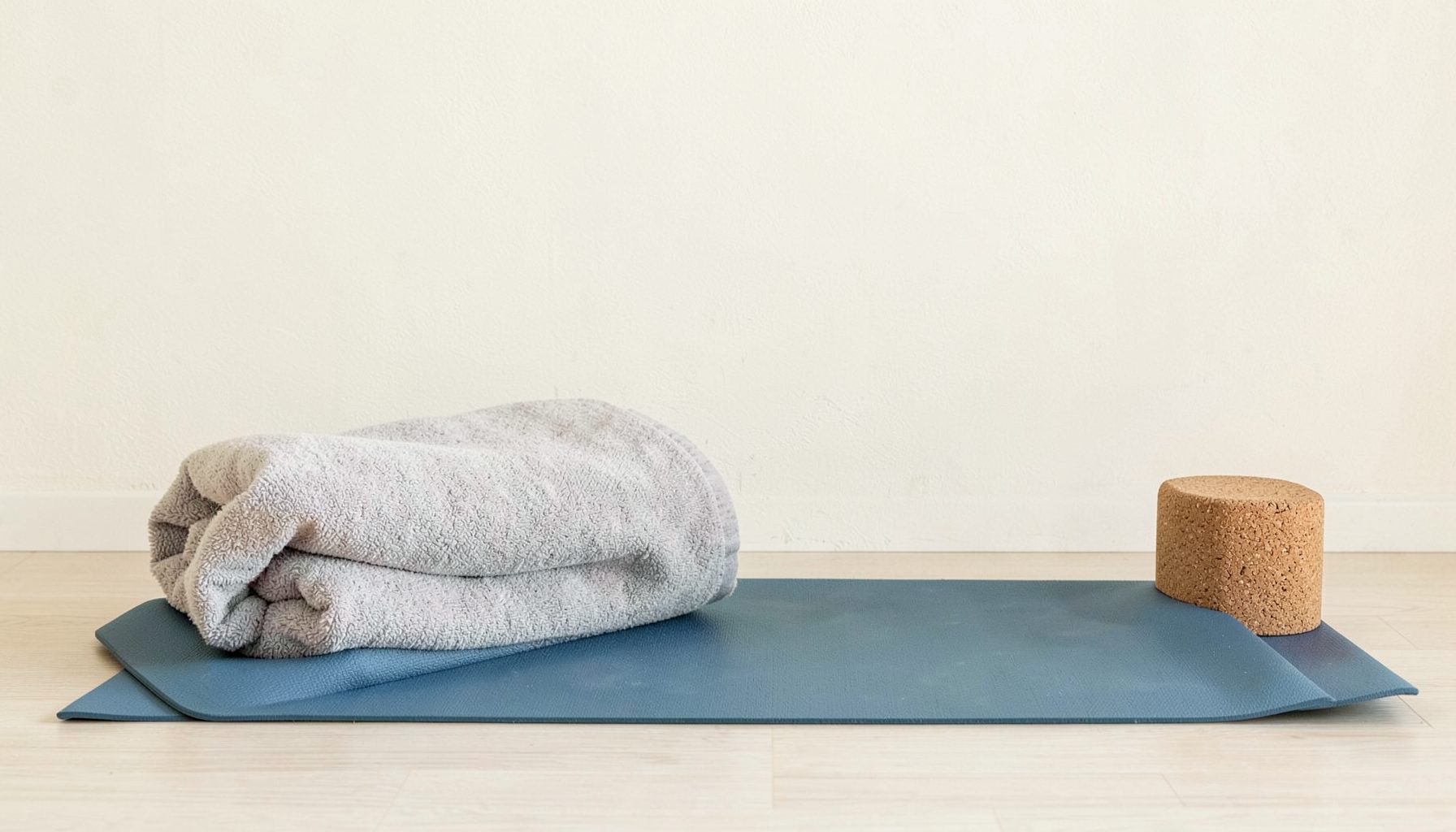
Restorative support can be especially helpful when the wrists are sensitive. The restorative blanket guide explains useful ways to support the arms with a rolled or folded blanket. A cushion beneath the forearms can reduce effort during a gentle wrist release, while the palms can rest together at the chest as the elbows lower. Air-conditioned Australian offices and homes can leave the forearms cool and tight, so warmth and support may make the movement feel more comfortable.
Building grip strength without overdoing it
Once the joints move comfortably, gentle resistance can support everyday grip. Hold a rolled towel or a soft, medium-sized ball in one hand, keep the wrist close to straight and squeeze without straining the neck or shoulders. Release fully between squeezes. A short set is enough at first, and the load can increase gradually as control improves. Strength work should leave the hand capable and relaxed, rather than sore for days.
Functional movement is often more useful than isolating the hand in artificial positions. When opening a jar, distribute the effort across both palms and keep the gripping wrist supported. Carry shopping bags close to the body, cradle a phone rather than clamping it between the ear and shoulder, and notice whether prolonged tasks cause the thumb to pull towards the palm. For broader movement ideas to complement this focused sequence, explore Team Bodyke and select movements that leave the wrists comfortable.
Making the practice work in busy Australian weeks
Short practices fit easily around Australian work, school and household routines. The online wellness market now makes it practical to book a live class, follow an on-demand session or download a printable sequence instead of travelling to a studio for every appointment. A five-minute reset during the arvo can interrupt desk stiffness, while a longer routine can follow a warm shower or a quiet cup of tea. Even a brief mobility break around a BYO coffee flask can bring awareness back to the hands.
A retreat can provide time to move away from screens and experience yoga at a slower pace. The Camille Dodson retreats page offers a place to explore that format, while downloadable meditations, articles and printable practices support people who prefer to work from home. These options can be combined according to energy, schedule and accessibility needs. Consistency matters more than a perfect routine: a few comfortable minutes on ordinary days are easier to maintain than one demanding session followed by weeks of inactivity.
A sustainable routine for stronger, more mobile hands
Most people can begin with two or three brief mobility sessions each week and add gentle grip strengthening once or twice. Hold stretches for around 15 to 30 seconds, use smaller ranges on sensitive days and allow the hands to rest between efforts. The routine should adapt to the body rather than forcing the body to adapt immediately to a fixed sequence.
- Keep daily mobility sessions brief by pairing a few wrist movements with relaxed breathing and gentle finger opening.
- Build grip strength gradually using a soft ball or rolled towel, with full release between each squeeze.
- Notice how the thumb, wrist and forearm respond during common tasks, then adjust the position of the hand when possible.
- Track comfort and recovery so increased resistance is introduced only when the previous effort settles comfortably.
Over time, small changes in how you hold, lift and rest can make everyday tasks feel easier. A morning stretch may suit one person, while movement beside the kettle suits another. The best version of the practice is the one that can be repeated without pain, fear or disruption.
Remember that comfortable movement repeated often supports lasting hand mobility more effectively than force applied occasionally.