


How to use a blanket for comfort in restorative yoga poses
A blanket can turn a simple yoga shape into a quiet, supportive place to rest. It adds warmth, softens firm flooring, steadies joints and helps the body feel held without forcing flexibility. In restorative yoga, comfort is not an extra detail; it is part of the practice. When your muscles can release, your attention has more room to settle with the breath.
You do not need specialist equipment to begin. A folded bath towel, picnic blanket or clean doona can work at home, whether you are practising in a Melbourne flat on a cool morning or taking a short pause after a busy day in Sydney. The aim is to create enough support for ease, while keeping the natural rhythm of your breathing unobstructed.
Why a blanket changes a restorative pose
Restorative poses are generally held for several minutes with the help of props. A blanket can reduce pressure at sensitive points such as the knees, ankles, hips, lower back and back of the head. It can also create a gentle sense of containment, which may make stillness feel safer and more approachable.
The height and firmness of a blanket affect the shape of the body. A tightly folded blanket gives stable lift under the pelvis or chest, while a loosely rolled blanket provides a softer curve. A broad, flat fold can support the whole spine, whereas a narrow roll may offer focused support beneath the knees. Small changes can make a posture feel entirely different.
Comfort should be tested rather than assumed. If you notice gripping in the jaw, shallow breathing, tingling, numbness or a sharp sensation, come out slowly and adjust the prop. Restorative yoga should feel quiet and sustainable, not like a test of endurance.
Choosing the right blanket
Look for a blanket that is clean, fairly dense and large enough to fold without slipping apart. Wool blankets offer warmth and structure, while cotton blankets are often easier to wash and less insulating in warmer weather. A thin travel rug can be useful for portable practice, but a thick doona may be too soft to provide reliable support under the neck or pelvis.
Australian homes vary considerably in temperature. In a draughty older house in Hobart, warmth may be the priority; in Brisbane or Perth, a breathable cotton layer may feel more comfortable. Keep a lighter cover nearby for relaxation and use a separate folded layer for lifting the body, so you can adjust each function independently.
Avoid blankets with rough seams, bulky buttons or loose decorative threads. Washable materials are practical if you practise often, and second-hand options from local markets or op shops can be perfectly suitable when they are in good condition. If a blanket slides on polished timber or tiles, place a yoga mat underneath it rather than trying to make the fabric grip the floor.
Folding and positioning for steady support
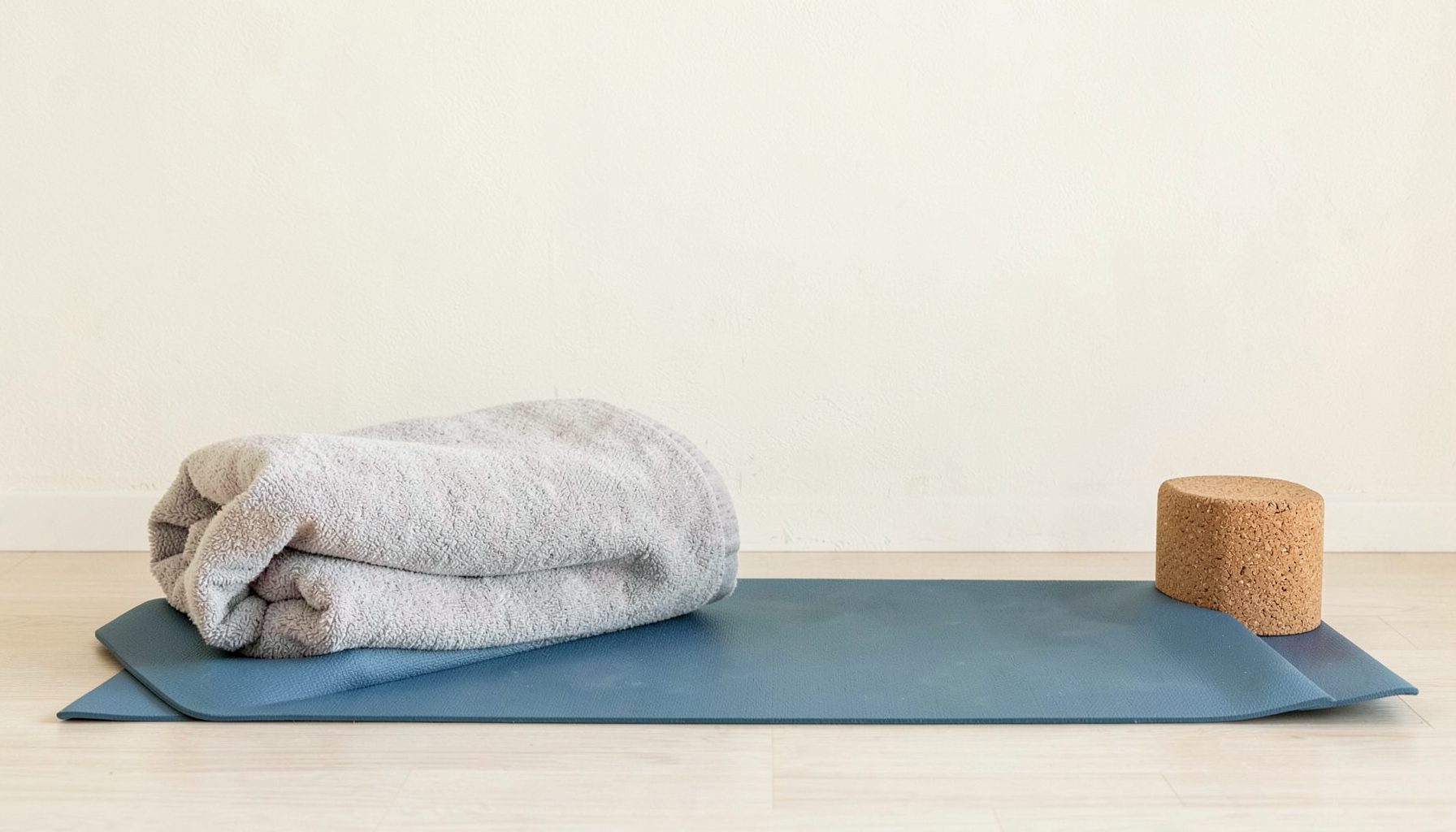
For a supportive fold, spread the blanket fully, then fold it lengthways into a long rectangle. Smooth each layer before placing it under the body. Uneven edges can create pressure points, especially when the blanket supports the spine or the back of the head for several minutes.
A rolled blanket should be firm enough to keep its shape. Roll from one short edge, keeping the roll even as you go. You can make it thinner by unrolling slightly, or add height by placing a folded blanket beneath it. Test the arrangement with your hands before settling into the pose; support should feel stable when you apply gentle pressure.
Place props close enough that you do not need to strain to reach them. In a reclining posture, you should be able to make small adjustments without lifting the whole body. If practising alone, keep an extra blanket within reach and use a wall for reassurance when balance or getting down to the floor feels uncertain.
Supporting the spine and chest
In supported reclined bound angle, place a long folded blanket or bolster behind the length of your spine. Sit at the lower end, then lie back so the head and upper back are supported. Bring the soles of the feet together only if the knees can rest comfortably; otherwise, extend the legs or support each knee with a separate folded blanket.
The blanket should create a gentle incline rather than a high arch. Your chin should remain level, and your throat should feel open. If the head tips back, add a small folded layer beneath it. If the chest feels exposed or the hips feel strained, reduce the height and place more support under the outer thighs.
For supported child’s pose, fold a blanket into a broad, low cushion beneath the chest and forehead. Turn your head to one side, changing sides halfway through if that is comfortable. The prop should receive your weight so the abdomen can soften and the breath can move into the back ribs.
Comfort for the hips, knees and lower back
In legs-up-the-wall pose, a folded blanket under the pelvis can make the posture more restful, though it is optional. Begin with the lower edge of the blanket near the wall, sit sideways on it and turn onto your back as you bring the legs upward. Keep the lift modest. A high support can increase pressure in the lower back or make the hamstrings feel overstretched.
If the backs of the knees feel tight, bend the legs slightly or move further from the wall. A blanket over the thighs can provide warmth and gentle weight, but it should never make breathing difficult or trap the legs. People with circulation concerns, recent surgery or significant discomfort should seek appropriate professional guidance before using an inverted arrangement.
For savasana, roll a blanket under the knees to reduce the pull on the lower back. Another option is to fold a blanket under the head and neck, keeping the fold low enough that the face points towards the ceiling. Cover the body with a separate layer if you tend to cool down during stillness.
Letting breath and attention settle
Once the body is supported, allow a few breaths without trying to improve them. Notice where the blanket meets your skin: beneath the knees, across the back or around the shoulders. These points of contact can give the mind a simple anchor when thoughts become busy.
A blanket can also support a short body scan. Feel the weight of the heels, calves, pelvis, ribs, shoulders and head in sequence. With each exhale, release effort that is no longer needed. You may find it helpful to count four gentle breaths, then pause counting and listen to the natural rhythm.
The practice is about relationship rather than achievement. If a pose begins to feel uncomfortable, modify it before discomfort becomes the main focus. A shorter period of ease is valuable. Guidance through gentle yoga classes can also help you learn how to arrange props with confidence and adapt postures to your own body.
Making a simple home practice work
Choose a time when interruptions are less likely, perhaps before the evening dishes or after a morning walk. In a small apartment, move a coffee table aside and practise on a stable mat rather than trying to create a permanent yoga room. A basket or shelf can hold two blankets, a cushion and an eye pillow so the setup remains straightforward.
Australian consumer and safety expectations are relevant when buying yoga props online. Under the Australian Consumer Law, products sold to consumers should be safe, fit for their described purpose and of acceptable quality. Check care instructions, material descriptions and return terms, especially when purchasing weighted blankets or products marketed for therapeutic use. A regular household blanket is often enough for restorative support.
On hot days, avoid covering the whole body if it causes overheating. Open a window where safe, practise away from direct afternoon sun and choose breathable layers. During colder months, warm the room first if possible; shivering makes it harder to settle. Your practice can respond to the season rather than following one fixed setup throughout the year.
Blanket choices worth keeping nearby
A small collection of versatile blankets can support many poses without filling the room with equipment. These practical choices cover the most common needs:
- Keep one firm, medium-weight blanket for folding beneath the knees, pelvis or chest.
- Keep one larger, washable blanket for warmth during savasana and meditation.
- Use a long rectangular fold when you need support along the spine.
- Use a compact roll beneath the neck, ankles or lower legs.
- Add a towel over a slippery blanket to improve texture and hygiene.
- Store a spare layer nearby for adjustments, especially when practising alone.
- Check folds, seams and surfaces regularly so the prop remains stable and comfortable.
A blanket is most useful when it can be adapted. You might unfold it for warmth, fold it twice for height, or roll it into a gentle support for the lower legs. Record which arrangements feel steady, then repeat the ones that help you relax rather than changing props constantly.
Building confidence through repetition
The first few attempts may involve more arranging than resting. That is normal. Place the blanket, lie down, notice what happens to your breathing and make one change at a time. Repeating a familiar sequence helps the nervous system recognise the practice as a dependable pause in the day.
You can combine supported child’s pose, a reclined position and savasana for a brief home sequence. Spend three to five minutes in each shape, leaving enough time to transition slowly. If getting up from the floor is difficult, practise on a bed or use a chair-based variation with guidance.
For further ideas about mindful movement, breathwork and creating a sustainable routine, the yoga blog offers reflections that connect practice with ordinary daily life. The essential skill is learning to listen closely enough to change the support before the body has to ask loudly.
A blanket does not make a pose passive or less meaningful. It gives the body permission to stop working so continuously, allowing steadiness, warmth and awareness to develop together. The most useful arrangement is the one that leaves you breathing comfortably, feeling supported and able to remain present.