


Yoga for spring: energising poses for renewal
September arrives in Australia with its own kind of quiet restlessness. After the long, introspective months of winter, the wattle begins to blaze gold along the coastlines of Sydney and through the inner suburbs of Melbourne, and daylight stretches later into the evening. People shed puffer jackets for light cardigans, and the air carries that particular softness that feels like permission to move again.
The body often mirrors this seasonal hinge, even when the mind is still catching up. Hips feel stiffer after months of curling inward on cold nights. The shoulders carry a low hum of tension that has built since June. Breath sits higher in the chest than it does in the warmer months, and sleep can feel lighter, more easily disturbed by birdsong at five in the morning.
Yoga in spring offers a gentle bridge back into the body. Rather than pushing through the residue of winter, a thoughtful sequence meets the system where it actually is. Movement, breath and a little bit of warmth together can turn the page from hibernation without demanding a sudden leap into high-intensity activity.
The practices below draw on a sustainable, accessible approach to yoga. They are designed for a home mat, a quiet corner, or a park bench beneath a flowering jacaranda, and they can be adapted to the energy available on any given morning. Nothing here requires previous experience or a particular shape of body.
Waking the body after winter stillness
Spring in Australia is rarely a smooth climb. One morning in Adelaide can feel like the depths of July, while the next brings a burst of warmth that hints at the summer ahead. This in-between quality is reflected in the way the body wakes up: slowly, unevenly, sometimes reluctantly. Honouring that unevenness is the first principle of any spring practice.
The diaphragm, the ribs and the muscles of the lower back all benefit from a slow, deliberate invitation to move. A few rounds of cat-cow, threaded through with the breath, can begin to soften the fascia along the spine. Gentle side bends from a seated position help the intercostal muscles remember how to expand after months of layered clothing and shallow breathing.
For those days when even this feels like too much, a few minutes of diaphragmatic breathing can be a practice in itself. Lying on the back with one hand on the belly and the other on the ribs, the invitation is simply to feel the breath travel lower. This single act often brings a sense of returning home to the body that no active shape can manufacture.
A few simple props to gather before you begin
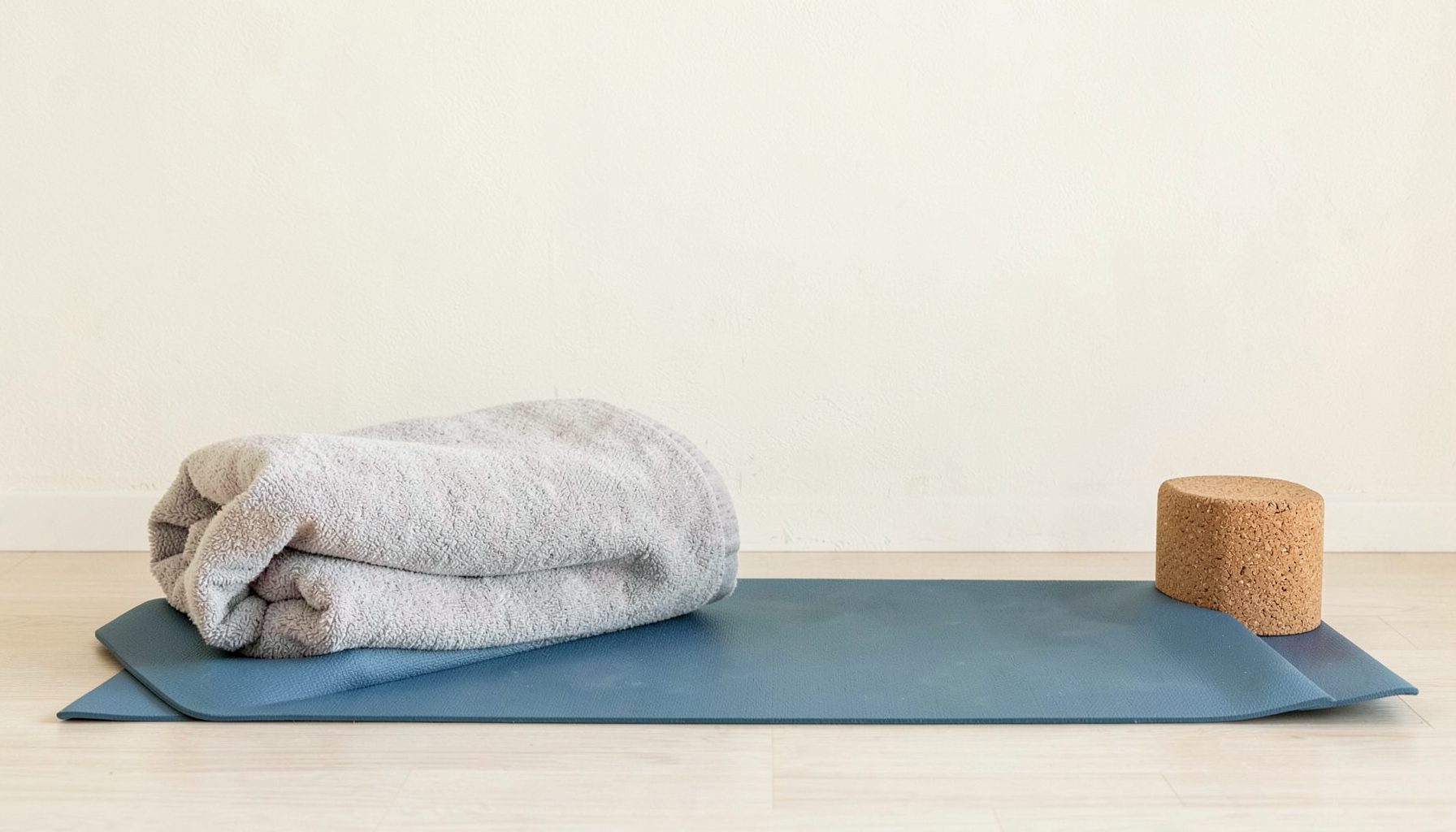
- A folded blanket or large towel for under the knees, the hips or the head
- Two firm cushions or yoga blocks to bring the floor closer when sitting or standing
- A belt, scarf or dressing gown tie for any shape that asks for a longer reach
- A bolster or stack of pillows to support restorative poses later in the practice
Sun salutations for the southern spring
Sun salutations, or surya namaskar, were never designed as a high-intensity workout. In their original form they were a moving meditation, a way to greet the sun and acknowledge its return after the shorter days. Australian spring is an ideal time to reclaim that quieter purpose, especially as mornings grow brighter earlier across Brisbane, Perth and the coastal towns in between.
A simple modification can make the sequence feel less like exercise and more like ceremony. Stepping the feet wider in mountain pose creates more stability for anyone still feeling the wobbles of winter stiffness. Bending the knees generously in forward fold protects the lower back and keeps the breath steady. Taking a low lunge rather than a high lunge through the transitions gives the hips time to open gradually.
For practitioners who spend long hours at a desk in the inner-city offices of Melbourne or Parramatta, even a five-minute midday reset can shift the entire arc of an afternoon. A condensed flow that includes two rounds of salutation with breath awareness, followed by a standing side bend and a gentle twist, is often enough to dissolve the midday slump without the need for another coffee. Try this short midday yoga reset on a workday and notice how the legs feel by home time.
Standing shapes to build steady warmth
Warrior poses are often imagined as bold, dramatic shapes, but in spring they can be approached as quiet acts of building internal heat. The muscular engagement required to hold warrior two or extended side angle draws blood into the large muscles of the legs and creates a gentle, sustainable warmth that feels very different from the jolt of a winter heater.
Chair pose, or utkatasana, is particularly useful during the Australian spring because it strengthens the posterior chain in a single shape. The glutes, hamstrings and calves all light up, while the breath is invited to stay soft and even. Holding the shape for five slow breaths, with a block between the thighs or a bend in the knees to whatever depth feels sustainable, builds resilience that serves long walks along the Bondi to Coogee coastal track or weekend gardening sessions in suburban backyards.
Standing half-moon, ardha chandrasana, brings balance and a sense of expansion. Practising it with the support of a wall or a chair removes any fear of falling and allows attention to settle on the lift of the top hip and the length through the standing leg. Over a few weeks of regular practice, the wobbles tend to quieten on their own.
Opening the chest after months of layers
Months of jackets, scarves and hunched shoulders against the cold leave a postural imprint that can affect mood as much as muscle. The chest compresses subtly, the breath becomes less free, and the body can begin to carry a quiet defensiveness that has nothing to do with the present moment. Spring invites a slow unfurling.
Supported fish pose, with a rolled blanket or bolster placed lengthwise along the spine, opens the front body without requiring any muscular effort. Lying over the support for several minutes allows the sternum to lift gently, the shoulders to fall away from the ears, and the breath to travel into the upper lobes of the lungs. The shape can feel surprisingly emotional, because the chest is both a physical and an energetic centre.
Camel pose, or ustrasana, offers a more active alternative for those who feel ready. Practising it with the hands resting on the lower back rather than reaching for the heels keeps the work in the upper back and prevents any compression in the lower spine. A softer version against a wall, with the hands reaching up the wall behind, can offer a similar opening with even more support. For anyone holding sorrow or quiet grief as the seasons change, movement that allows the chest to expand without forcing anything open can be profoundly supportive, and yoga for grief explores this kind of careful, spacious practice in greater depth.
An evening wind-down for spring restlessness
Spring can be surprisingly activating, even as the days grow warmer. In places like Hobart and the NSW Southern Highlands, the evenings stay light well past eight o'clock, and the nervous system can find it difficult to settle into sleep. A short, restorative sequence in the hour before bed can help signal that the day is, in fact, winding down.
Legs up the wall, viparita karani, is one of the most accessible restorative shapes available. A folded blanket or firm cushion under the hips makes the shape more sustainable for longer holds, and a soft eye pillow over the eyes helps the visual system switch off. Five to ten minutes in this position is often enough to quieten the racing thoughts that can accompany a busy week.
Reclined butterfly, with the soles of the feet together and the knees falling open, gently releases the inner thighs and the groin. A cushion under each knee can take pressure off the lower back and allow the posture to be held comfortably. Pairing either of these shapes with a slow body scan, or with a recorded meditation, can ease the transition into the deeper rest that spring sometimes seems to resist.
Building a simple spring wind-down ritual
- Dim the lights and switch off screens at least forty minutes before bed
- Light a candle or use a few drops of lavender essential oil on a tissue
- Place a bolster or two pillows on the mat and choose one restorative shape
- Stay in the shape for eight to ten slow breaths, then rest in savasana for as long as feels good
A short note before closing: keep an eye on the spring UV index if practising outdoors in Australia, even on cooler mornings. A wide-brimmed hat and a light layer over the shoulders will protect the skin while still allowing the practice to feel open and free.
To begin, set aside ten minutes tomorrow morning after your first cup of tea, place a folded blanket near the top of your mat, and move through three slow rounds of a modified sun salutation followed by a supported fish pose held for five breaths.