



Yoga for Heart Opening: A Gentle Bolster Backbend Sequence
Heart-opening yoga does not require forcing the chest towards the ceiling or dropping into the deepest possible wheel pose. A supported backbend can create space across the front body while allowing the breath to remain steady, the jaw to soften and the nervous system to feel safe. A bolster offers enough lift to explore extension with less strain through the lower back, neck and shoulders.
This sequence is designed as a quiet personal practice. It may suit a morning when you feel flat, a slow evening after work, or a restorative session following a beach walk or bush track. The intention is to meet the body as it is, rather than perform openness as a shape.
In Australia, yoga spaces can vary from warm studios in Brisbane to chilly timber floors in a Melbourne winter. Your props, clothing and pacing may need to change with the season. Practising near a window in a Sydney flat, under a ceiling fan in the tropics or beside a gumtree on a retreat property can feel different, yet the essential work remains the same: breathe, notice and respond kindly.
Move slowly and avoid this sequence if you have an acute spinal injury, recent surgery, uncontrolled high blood pressure or symptoms that worsen with backbending. A qualified teacher or health professional can help you adapt the practice. Pain, pinching or numbness is a clear reason to come out of a pose and rest.
Prepare The Body And The Room
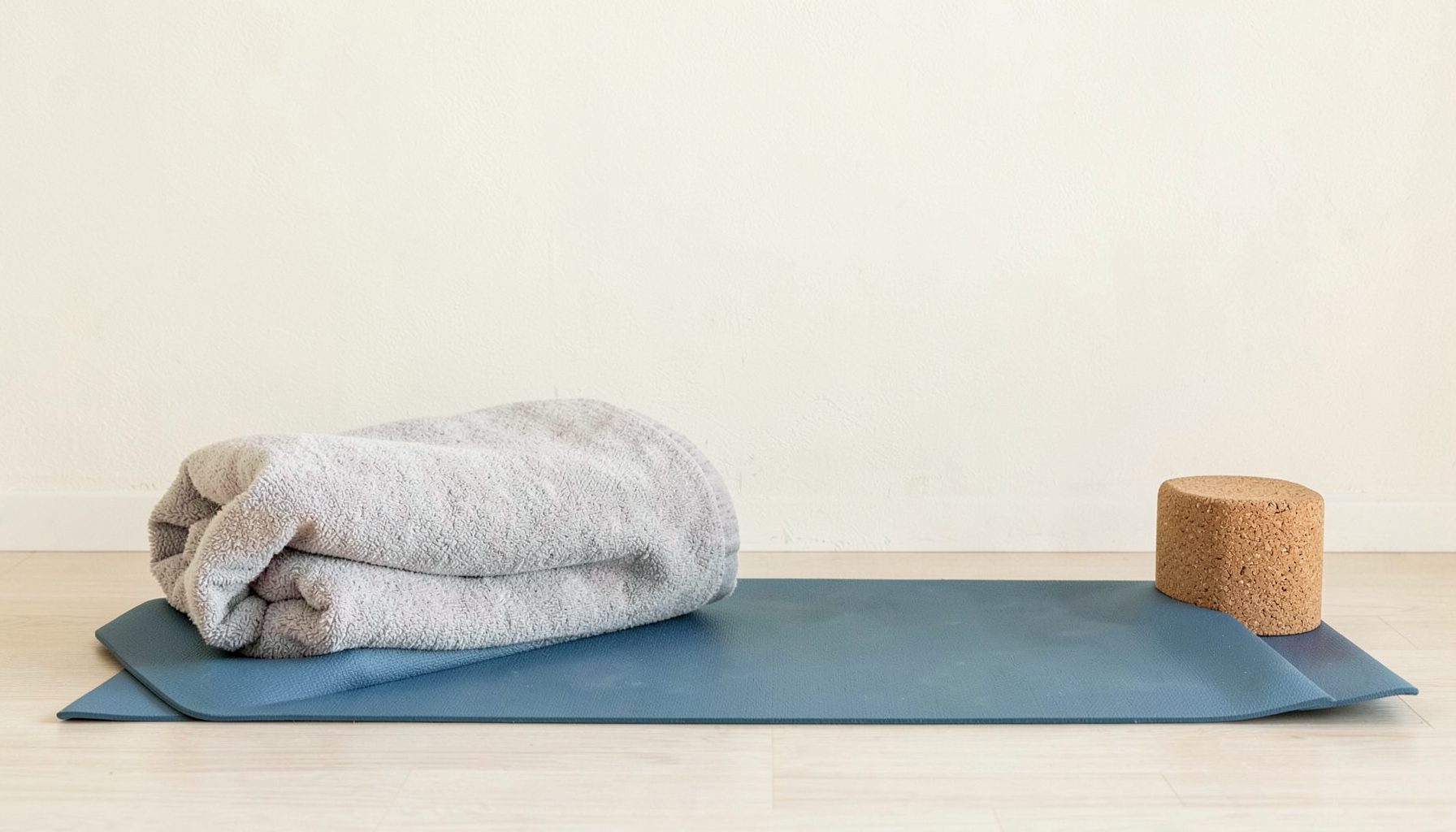
Gather a yoga bolster, two blocks and a folded blanket. If you do not have a bolster, a firm stack of blankets or a tightly rolled doona can provide a similar shape. Place your mat on a stable surface, especially if you are practising on polished boards or tiles. In warmer parts of Australia, keep water nearby and choose a time when the room is comfortable rather than pushing through midday heat.
Begin lying on your back with your knees bent and feet resting on the floor. Let your arms settle beside you, palms facing up or down. Take several natural breaths and notice the contact between your skull, ribs, pelvis and heels. There is no need to inflate the chest dramatically. Let the inhale widen the side ribs while the exhale releases unnecessary effort from the shoulders.
Before adding movement, scan for areas that need support. If your lower back feels tight, place a folded blanket beneath your head or bring your feet slightly further away. If your hamstrings are tense, keep the knees bent throughout the early part of the practice. A heart-opening sequence begins with ground and stability, not with a demand to arch.
Mobilise The Spine With Breath
Draw one knee towards your chest and then return the foot to the floor. Change sides slowly, matching the movement to the breath. Continue for several rounds, noticing whether the pelvis can remain heavy. This gentle hip flexion gives the lower back a chance to settle before you explore extension through the thoracic spine.
Come into a comfortable tabletop position. Spread your fingers, place your wrists beneath your shoulders and set your knees beneath your hips. On an inhale, broaden the collarbones and move the breastbone forwards without collapsing into the lumbar spine. On an exhale, press the floor away and gently round through the upper back. Keep the movement spacious and moderate, like a wave travelling through the spine.
Return to neutral and tuck your toes. Send the hips back a little towards the heels, then glide forwards again. This prepares the shoulders and lengthens the front ankles without requiring a strong pose. If your wrists object, practise the same spinal actions seated or with your forearms on the floor. The aim is to build body awareness before resting over the bolster.
Rest Over The Bolster
Place the bolster lengthways behind you, with one end near the base of your spine. Sit in front of it and slowly lower yourself back so the bolster supports the length of your spine and the back of your head. If your head tips backwards, add a folded blanket beneath it. Your pelvis can remain on the floor, or you can place a block under the far end of the bolster for a slightly higher angle.
Bend your knees and keep your feet grounded at first. Allow the arms to rest beside you, open wide in a cactus shape or extended along the floor. Close your eyes only if that feels steady. Let the front ribs soften down as you breathe into the back and sides of the rib cage. Stay for eight to twelve breaths, watching for gripping around the throat or a sensation of compression in the low back.
This supported chest opener is the central shape of the practice. The bolster creates a gentle thoracic backbend, encouraging the sternum to lift while the pelvis and legs remain connected to the ground. If your body feels vulnerable or your breath becomes shallow, narrow the arms or turn the palms towards the ceiling. A smaller position can be deeply effective.
Add Supported Bridge
From the bolster-supported position, slide the bolster beneath the sacrum rather than keeping it along the whole spine. Use the lowest height initially. Keep the head and shoulders on the floor, bend the knees and place the feet hip-distance apart. Press gently through both feet and lengthen the tailbone towards the knees before allowing the pelvis to rest on the support.
Stay here for five to eight breaths. If the pose feels stable, you may interlace the fingers beneath the back and draw the shoulder blades slightly towards one another. Do not force the hands together or turn the head while lifted. To come out, release the arms, press into the feet and lift the pelvis just enough to slide the bolster away. Lower slowly, then pause with both feet on the floor.
For people who sit at a desk, drive long distances or spend hours looking down at a phone, this variation can feel particularly refreshing across the chest and hip flexors. It can be useful after a long commute across Melbourne or a day working from a home office in Perth. The support should make the pose quieter, not more intense. If you feel a sharp sensation in the back, return to the floor.
Explore A Deeper Front-Body Stretch
Move the bolster lengthways beneath the upper back again, keeping the head supported. Extend one leg at a time along the mat if that feels comfortable. Alternatively, keep the knees bent to reduce the load on the lumbar spine. Reach the arms overhead only as far as the ribs remain settled. You can hold opposite elbows or rest the forearms on the floor.
Remain for six to ten slow breaths. Imagine the inhale travelling around the sides of the ribs and the exhale moving down through the legs. Rather than thrusting the chest upwards, let the collarbones widen. The front of the throat should stay soft, and the eyes can remain open with a relaxed gaze if closing them feels too inward.
If the hips or abdomen feel restricted, a smaller prop arrangement may be more helpful. You could place the bolster across the mat beneath the shoulder blades, creating a shorter and lower support. A heart-opening practice should leave you feeling more spacious and present, not overstimulated. For additional work around the belly and side body, you might pair this sequence on another day with gentle twists and massage, keeping digestion-focused movements separate from any discomfort caused by a full stomach.
Release And Absorb The Practice
Remove the bolster and lie flat in a neutral position. Bend your knees, place one hand on the abdomen and the other over the centre of the chest. Feel whether the breath now moves differently. There may be warmth, tingling or a sense of emotional tenderness. There may also be no obvious sensation at all. Each response is valid.
Draw the knees towards the chest and rock gently from side to side. Then roll onto your right side and pause before pressing up to sit. This transition gives your nervous system time to integrate the change in position. Sit comfortably, perhaps with your back against a wall, and take three easy breaths without trying to create a particular mood.
You can adapt the sequence to everyday life rather than reserving it for a retreat. Try the supported chest opener for five minutes after an arvo walk, or practise supported bridge before bed when the weather is cool. During a summer retreat near Byron Bay, reduce the hold times and avoid practising in a stuffy room. During a rainy winter weekend in Hobart, warm layers and a blanket over the legs may help the body relax.
Carry The Feeling Into Daily Life
Heart opening is often described in emotional language, yet the physical practice can remain very practical. A broadened chest may remind you to breathe before replying to a difficult message, soften your posture during a conversation or create a pause between work and home. The value lies in the relationship you build with sensation, rather than in achieving a dramatic backbend.
If you are travelling for a workshop or retreat, protect the conditions that help you feel balanced. Eat lightly before practising, allow time for sleep and notice how late nights, alcohol or long periods of sitting affect your body. Someone combining a yoga getaway with a city break may also appreciate these casino visit tips as part of planning a mindful, well-paced outing rather than treating every activity as an opportunity to push through fatigue.
After the sequence, write down one simple observation: perhaps your breath feels wider, your shoulders feel less guarded or your mind feels quieter. Let that observation be enough. A sustainable practice is built through regular, manageable choices—one supported breath, one attentive movement and one compassionate pause at a time.
Set up the bolster so it supports the upper back without tipping the head, keep the lower ribs and pelvis grounded, and remain for six to twelve calm breaths before resting flat. That practical arrangement lets the body explore openness safely, leaving you with a steady breath and a little more room to meet the rest of the day.