



Let the Breath Create Space in Forward Folds
Forward folds can look simple from the outside: the body tips over the legs, the head releases, and the hands move toward the floor. Yet the inner experience may be quite different. Tight hamstrings, a busy mind, protective tension in the back, or the pressure to reach a particular shape can make the posture feel effortful.
Breath offers another way in. Rather than forcing the torso closer to the thighs, you can use steady inhalations to create length and quiet exhalations to soften unnecessary resistance. This approach turns a forward fold into a mindful conversation between movement, sensation, and attention.
Depth does not have to mean going farther. It may mean feeling more spacious in the ribs, more grounded through the feet, or more at ease with the body as it is today. With patience and self-compassion, the breath can help you explore a sustainable range without treating flexibility as a performance.
Begin With Stability And Ease
Before folding, establish a foundation that feels dependable. In standing poses, place the feet about hip-distance apart and spread the weight across the heels, the base of the big toes, and the base of the little toes. In a seated fold, ground the sitting bones and allow the knees to bend as much as needed.
Take a few natural breaths before changing the shape. Notice whether you are holding the abdomen, gripping the jaw, lifting the shoulders, or bracing the hands. These subtle actions often signal that the nervous system is preparing for effort. Releasing even one layer of tension may create more useful space than pushing deeper.
A forward fold can begin with a long spine rather than a dramatic descent. Bend the knees, hinge from the hips, and let the pelvis move over the legs. Keep the chest broad as long as possible, then allow the upper back to round naturally if that feels comfortable. The goal is a supported movement pattern, not a fixed visual ideal.
Use The Inhale To Lengthen
The inhalation can be understood as an invitation to expand. As air moves in, imagine the sides and back of the ribs widening. Let the crown of the head reach forward while the sitting bones or heels move back. This creates axial length through the spine and helps distinguish a hip hinge from collapsing through the waist.
You do not need to exaggerate this action. A small lift through the sternum or a gentle extension through the spine may be enough. In a standing fold, place your hands on blocks and inhale into a half lift. In a seated fold, inhale as you lengthen forward from the pelvis rather than pulling the chest toward the shins.
Try coordinating the breath with movement:
- Inhale to lengthen the spine and broaden the ribs.
- Exhale to soften the shoulders, neck, and face.
- Inhale to create room around the waist and hips.
- Exhale to settle into the range already available.
This rhythm keeps the breath central without turning it into a command. If the inhalation becomes strained, return to a smaller movement and let the pose become quieter.
Let The Exhale Soften Resistance
Exhalation naturally supports release. As the breath leaves the body, notice whether the muscles around the hips, hamstrings, and back body can reduce their effort. You might allow the elbows to bend, the head to become heavier, or the knees to soften. These adjustments can make the fold feel more receptive and less like a test of flexibility.
Avoid using the exhale to force the torso downward. A deeper sensation is not automatically a better one, and strong pulling around the sit bones or behind the knees may indicate that the pose has moved beyond a helpful range. Stay with sensations that feel broad, breathable, and manageable rather than sharp, electric, or increasingly intense.
| Breath cue | Physical focus | Helpful sensation | Possible adjustment |
|---|---|---|---|
| Inhale | Lengthen the spine | Space through the ribs and waist | Lift halfway or use blocks |
| Exhale | Release excess effort | Softer shoulders and jaw | Bend the knees |
| Inhale | Hinge from the hips | Balanced weight through the feet | Move the pelvis back |
| Exhale | Settle without forcing | Calm, steady awareness | Come slightly out of the fold |
| Natural breath | Observe the whole body | Ease and stability | Rest in a supported shape |
Remain for several breathing cycles, allowing each exhale to reveal information rather than demand a result. Sometimes the most meaningful change is recognizing that the body is asking for less intensity today.
Explore Different Shapes With The Same Breath
The breath practice can be applied to many forward-bending postures. In standing forward fold, a wide stance may create more room for the abdomen and chest. A supported child’s pose can offer a sense of containment, especially when the forehead rests on stacked fists, a bolster, or a folded blanket.
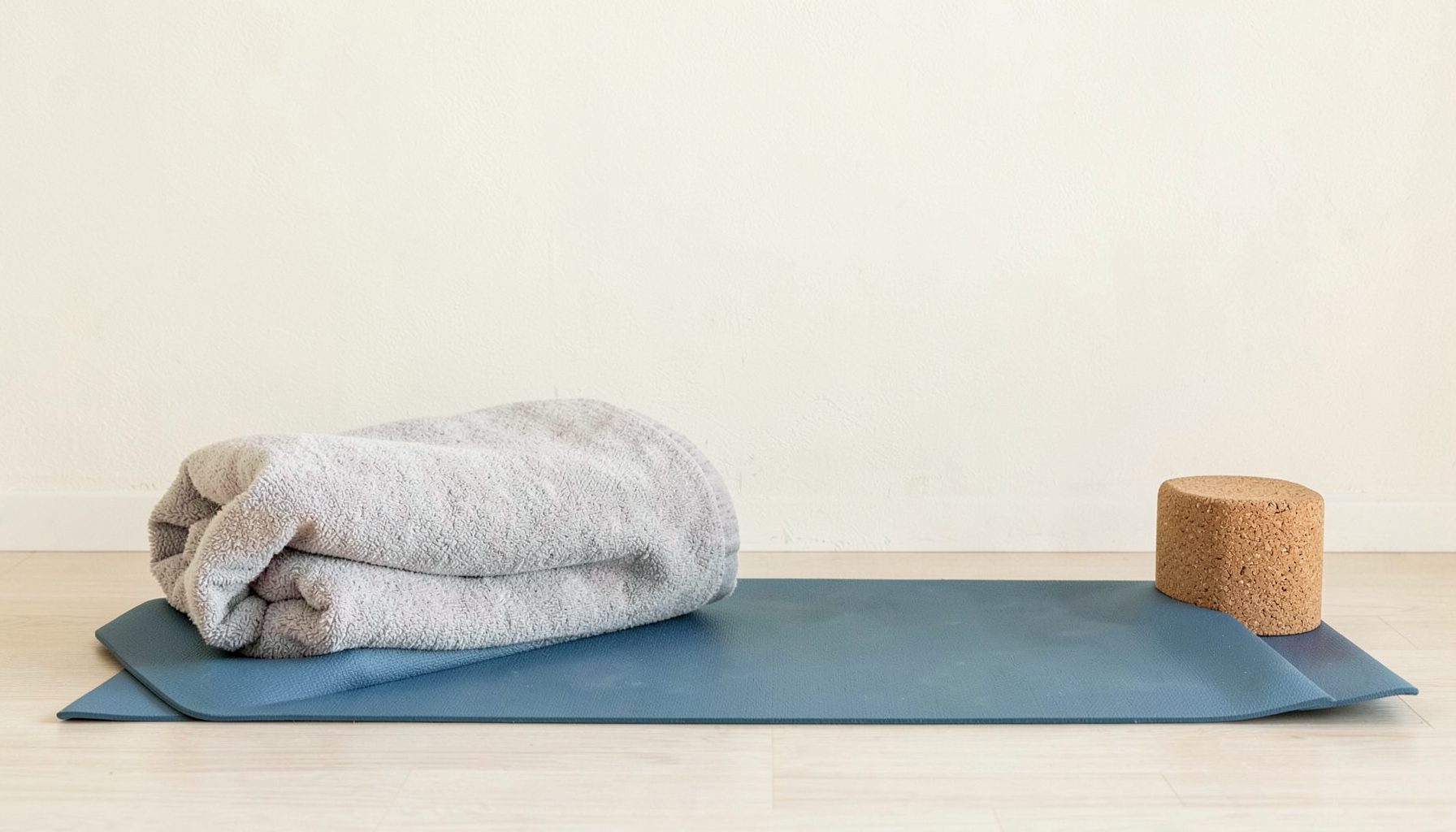
Seated forward folds often benefit from a generous knee bend. Sit on a folded blanket if the pelvis tends to tuck under immediately, then place a cushion beneath the knees or chest. Reclined variations, such as drawing the legs toward the torso while lying on the back, can provide a gentler way to explore the back body without bearing weight.
The shape can change while the central inquiry remains the same: can the breath move freely here? If the answer is no, adjust the posture before trying to deepen it. A prop is not a sign that you are avoiding the practice; it is a tool for making the practice more responsive.
You can also experiment with the length of the breath. Count softly to four on the inhale and four on the exhale, or let the breath remain uncounted and natural. There is no need to lengthen the breath if doing so creates pressure. A comfortable, unforced rhythm supports awareness more effectively than an impressive one.
Notice The Mind’s Idea Of Depth
Many people approach forward folds with an expectation that the hands should touch the floor, the forehead should meet the knees, or the legs should remain perfectly straight. These images can make a quiet practice feel competitive. The mind may interpret a normal limitation as failure, even when the body is communicating useful information.
Instead, define depth through quality. Are you able to feel the feet or sitting bones? Can the breath reach the back ribs? Is the neck free enough to relax? Can you remain present with sensation without immediately trying to escape or intensify it? These questions shift attention from appearance toward embodied experience.
A gentle yoga practice can hold ambition without being driven by it. You may work toward greater mobility over time, but progress is more sustainable when it includes rest, variation, and respect for the body’s changing needs. On some days, depth will feel like a fuller fold. On others, it will mean staying upright and breathing with patience.
Self-compassion is especially valuable when physical sensations bring up frustration. A short loving-kindness practice, such as this guided self-compassion meditation, can help you relate to limits with warmth instead of judgment. The same quality of care can then enter the posture.
Build A Breath-Led Practice
A few minutes of preparation can make forward folds more comfortable. Begin with easy walking, gentle knee bends, pelvic tilts, or slow cat-cow movements. These actions warm the body without demanding a maximum range. Then practice one standing and one seated fold, using support from the beginning rather than waiting until the pose feels difficult.
Keep the practice brief enough that attention remains clear. Three to six breaths in a supported fold may be more beneficial than staying for a long time while bracing. Come out slowly on an inhale, especially after a seated posture. Pause afterward and notice the rebound of sensation through the legs, spine, and breath.
Use these recommendations to keep the exploration steady:
- Bend the knees whenever the back rounds sharply or the hamstrings feel pulled.
- Place hands on blocks, a chair, or the floor so the shoulders can relax.
- Keep the breath smooth; stop or change position if it becomes shallow or strained.
- Avoid forcing through sharp, tingling, burning, or one-sided pain.
- Leave enough time after practice to notice how your body and mood feel.
Consistency matters more than intensity. Practicing a gentle fold several times each week gives you repeated opportunities to learn how your body responds. Mobility may develop, but so may trust, patience, and the ability to recognize when enough is enough.
Carry The Practice Into Daily Life
The lesson of breath-led folding extends beyond the mat. When you pause before reaching for something, bending to lift an object, or resting after a long day, you can use the inhale to create length and the exhale to release unnecessary effort. This simple pattern encourages movement that is attentive rather than automatic.
Forward folds can also become a place to practice turning inward without withdrawing from life. The lowered gaze may reduce visual stimulation, while the steady breath provides an anchor. If the posture feels calming, stay with that quality. If it feels vulnerable or uncomfortable, choose a more upright variation and keep your eyes open.
A sustainable personal practice respects context. Sleep, stress, temperature, menstrual cycle, previous activity, and emotional state can all affect how a fold feels. The body is not failing when its range changes. It is giving you information about what kind of care may be appropriate now.
For a fuller sense of this gentle, accessible approach, you can learn more about Camille’s yoga practice, including the values that shape her classes, retreats, and resources. Let the practice meet you where you are, then allow the breath to guide the next small movement.
Set aside a few quiet minutes today for a supported forward fold. Place a cushion or blocks within reach, soften the knees, and follow the natural pattern of lengthening on the inhale and releasing on the exhale. Return to this exploration regularly through classes, personal practice, or mindful pauses, and let depth become a felt sense of presence rather than a distance to achieve.