




Three Gentle Backbends for a More Open Posture
Many hours spent leaning toward a screen, steering wheel, book, or phone can gradually shape the body into a familiar forward curve. The shoulders round, the chest feels compressed, and the head may drift ahead of the ribs. Slouching is not a personal failure; it is often the body adapting to repeated positions, fatigue, stress, or limited movement throughout the day. Learn more about What It Means To Practice Ahimsa On The Mat.
Gentle backbends can offer a useful counterbalance. Rather than forcing the spine into a dramatic arch, they invite the front body to lengthen, the shoulder blades to move with awareness, and the breath to reach areas that may feel restricted. The aim is spaciousness, steadiness, and comfort—not maximum range.
These three gentle backbends to counteract slouching can be practiced separately or combined into a short daily sequence. Move slowly, keep the breath relaxed, and treat each shape as an opportunity to listen to your body.
Why Slouching Calls for Kindness
Slouching commonly involves more than the upper back. The hip flexors may become shortened from sitting, the abdominal wall may remain passive or tense, and the neck can work harder to keep the eyes level. When the whole body has adapted to a forward-facing position, simply pulling the shoulders back may create unnecessary strain.
A compassionate approach begins by noticing your natural posture without judgment. You might observe where your weight rests, whether your breath feels shallow, or if your jaw tightens when you try to “sit up straight.” Awareness gives you more choices than correction alone. Instead of holding yourself rigidly, you can gradually build support through the feet, pelvis, spine, and breath.
Backbends are especially helpful when they are paired with stability. The spine should not be pushed into a shape while the ribs flare or the lower back takes all the movement. A gentle lift through the breastbone, a grounded pelvis, and a long exhalation can create a more balanced response.
Prepare the Body Before Bending
Begin with two or three minutes of easy movement. Stand or sit comfortably and notice your breathing. Roll the shoulders slowly, circle the wrists, and allow the head to turn from side to side without pulling. You can also practice a few rounds of cat and cow on hands and knees, moving only within a comfortable range.
As you warm up, focus on length before depth. Imagine the crown of the head reaching away from the tailbone while the front ribs soften. When the spine feels long, a small extension is usually more supportive than a large arch. Keep the back of the neck easy, and let your gaze follow the movement rather than lifting the chin sharply.
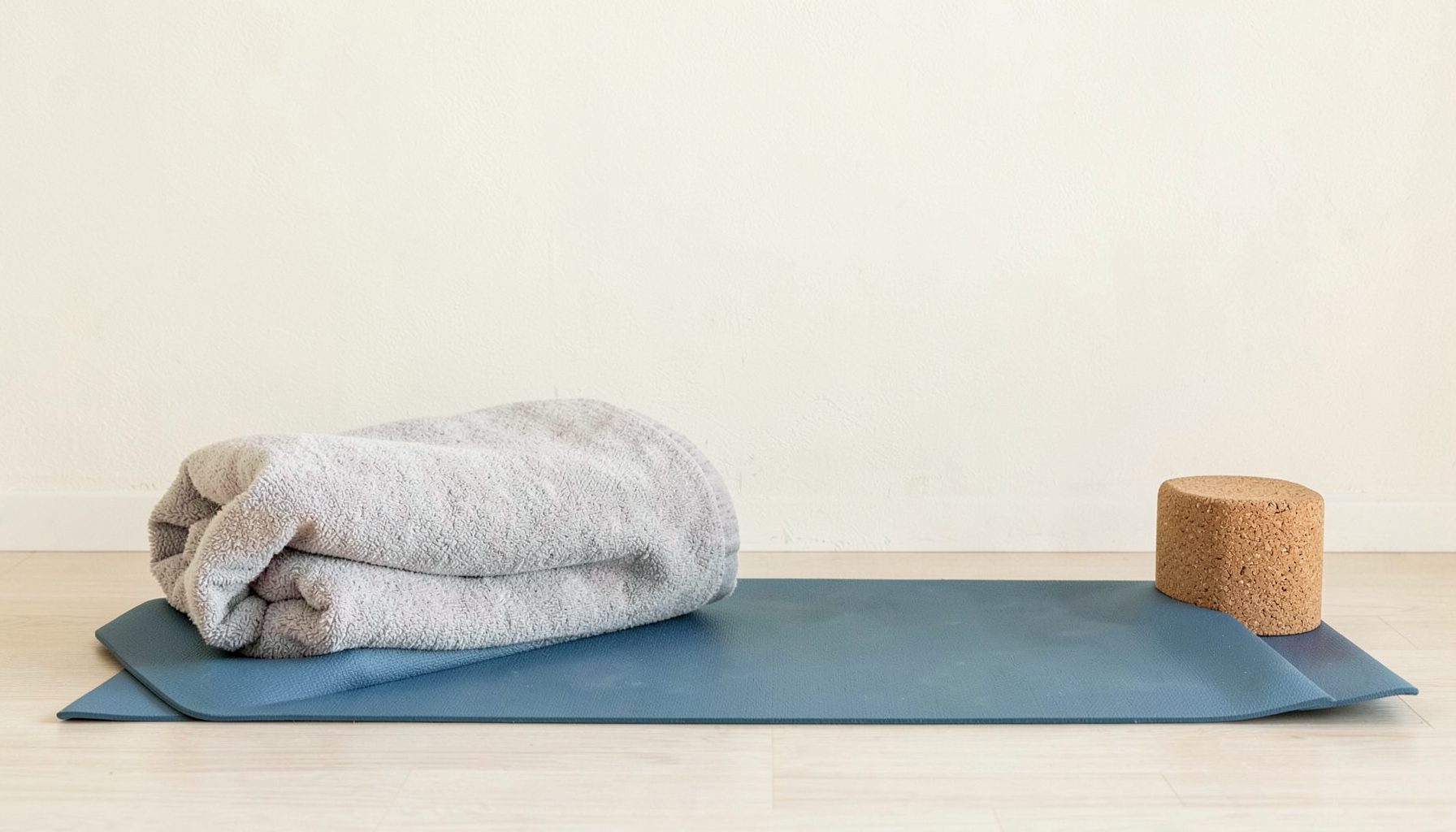
Pain, pinching, numbness, or tingling is a reason to stop and return to a neutral position. People with recent spinal injuries, significant osteoporosis, or persistent back symptoms should seek individualized guidance from an appropriate health professional. Props such as a folded blanket, bolster, block, or wall can make these movements more accessible and reduce the temptation to force a pose.
Three Practices at a Glance
The following sequence moves from a supported prone shape to a supine lift and then to a standing variation. Each pose can be practiced for several breaths, with a pause in between to notice how the body responds.
| Backbend | Main focus | Suggested duration | Helpful modification |
|---|---|---|---|
| Sphinx Pose | Upper-back extension and chest opening | 5–8 breaths | Place a folded blanket under the forearms |
| Supported Bridge | Front-body length and pelvic stability | 5–10 breaths | Keep the pelvis low or use a block beneath the sacrum |
| Wall Chest Opener | Upright posture and shoulder mobility | 5 breaths each side | Stand farther from the wall and reduce the arm range |
Move through the options in any order that suits your energy. On a tired day, one pose may be enough. On a day when you have more time, repeat the sequence once or twice while keeping the effort moderate. The benefit comes from regular, attentive practice rather than intensity.
Sphinx Pose for Upper-Back Support
Lie on your belly with your legs extended behind you. Separate the feet to a comfortable width and allow the tops of the feet to rest on the floor. Place your forearms in front of you, with elbows roughly beneath or slightly ahead of the shoulders. If your lower back feels compressed, move the elbows farther forward or widen the forearms.
Press gently through the forearms while allowing the chest to glide forward. This is different from pushing the ribs upward. Keep the pubic bone and lower legs grounded, and let the upper back participate in the lift. The shoulders should remain away from the ears, while the neck stays in line with the rest of the spine.
Stay for five to eight easy breaths. Notice whether the inhale expands the front and sides of the ribs. On each exhale, soften the belly and jaw without collapsing the chest. If you feel pressure in the lower back, lower the chest or place a folded blanket beneath the ribs and forearms. To come out, slide the forearms forward, lower the chest, and rest with the head turned to one side.
Supported Bridge for the Front Body
Lie on your back with your knees bent and your feet on the floor. Place the feet about hip-width apart, close enough that your fingertips can lightly brush the heels. Let the arms rest beside you, palms down. Before lifting, feel the back of the head, ribs, pelvis, and feet making contact with the ground.
Press through the feet and raise the pelvis only as high as you can without gripping the buttocks or compressing the lower spine. You may keep the hands grounded, or interlace the fingers beneath you if the shoulders feel comfortable. For a more restorative version, place a yoga block or firm cushion beneath the sacrum and allow the weight of the pelvis to settle onto the support.
Keep the knees tracking toward the second toes rather than drifting wide. Imagine lengthening the tailbone toward the backs of the knees while the breastbone moves gently toward the chin. Do not force the chin down or turn the head once lifted. Remain for five to ten breaths, then lower slowly, allowing the spine to return to the floor one section at a time.
This variation strengthens the back of the body while opening the hip crease and front ribs. If a full bridge feels too demanding, practice a low pelvic lift: inhale to raise the pelvis a few inches, exhale to lower it. The smaller movement can still interrupt a long period of sitting and build awareness of how the legs and pelvis support the spine.
Wall Chest Opener for Everyday Posture
Stand beside a wall with your feet grounded and your spine upright. Place one palm against the wall at about shoulder height, with the fingers pointing upward or slightly backward. Keep the shoulder relaxed as you slowly turn your chest away from the wall. The movement should come from the upper back and chest, not from twisting aggressively through the waist.
Remain for about five breaths, breathing into the side ribs. Keep the standing leg steady and avoid pushing the hand forcefully into the wall. You are creating a mild line of opening across the chest and front shoulder. Release slowly, then switch sides.
You can also practice this with the elbow bent to reduce the intensity. If the shoulder feels pinched, lower the hand or stand farther from the wall. This standing backbend is easy to incorporate during a work break because it requires no mat and does not place pressure on the wrists or knees.
The wall offers useful feedback: you can sense whether the head, ribs, and pelvis are stacking comfortably rather than drifting forward. After releasing the pose, stand with both arms by your sides and notice whether the chest feels broader. Let that sensation be soft and unforced instead of trying to hold a perfect posture.
Practice With Breath and Self-Compassion
Breath is a practical guide during backbends. Inhaling may help you create length through the front of the body, while exhaling can soften effort and stabilize the shape. If your breath becomes shallow, strained, or held, reduce the range of motion. A posture that looks impressive but disrupts breathing is probably asking for less intensity.
The practice also benefits from a willingness to release expectations. The principles explored in letting go in yoga can be applied here: you can care for your posture without demanding that it change immediately. Some days the body may welcome a fuller movement, while other days it may need a supported, barely noticeable opening.
Aim for consistency that fits your life. A few mindful breaths beside your desk may be more sustainable than an ambitious routine practiced once a month. You can use these movements after commuting, between meetings, before meditation, or at the end of a day when the front body feels shortened.
Build a Gentle Routine
A simple sequence might begin with Sphinx Pose, continue with Supported Bridge, and finish with the Wall Chest Opener. Rest briefly between each practice in a neutral position. This pause matters because it lets you feel the effects rather than rushing from one shape to the next.
Keep the following principles in mind:
- Start with a small range and increase it only when breathing remains smooth.
- Ground the pelvis, feet, or forearms before asking the spine to extend.
- Relax the jaw, hands, and shoulders so they do not compensate for limited mobility.
- Practice both sides evenly in the wall variation, while respecting meaningful differences between them.
- Finish with a neutral posture and notice how standing or sitting feels afterward.
Gentleness does not mean being passive. It means directing effort toward support, awareness, and sustainable change. A small backbend practiced with attention can strengthen useful muscles, mobilize stiff areas, and remind the nervous system that upright posture does not have to feel like hard work.
Let these movements become an invitation rather than another task to perform perfectly. Explore the sequence through a class, add it to a personal practice, or return to one pose whenever your day has drawn you forward. With patient repetition and compassionate attention, your posture can become more responsive, comfortable, and connected to the breath.