


Active and passive stretching in yoga
Stretching in yoga is often described as a single activity, yet the body can experience a pose in very different ways. Sometimes you create the movement yourself, engaging muscles to guide a joint through its available range. At other times, you soften, breathe, and allow gravity, props, or body weight to provide most of the sensation. These approaches are commonly known as active and passive stretching.
Neither method is automatically better. Each has a different purpose, and both can become unhelpful when practiced without attention. Active work can build control and stability, while passive holds may encourage relaxation and a gradual sense of spaciousness. Understanding the distinction helps you choose movement that suits your energy, experience, and needs on a particular day.
Yoga is not a competition to reach the deepest shape. A sustainable practice values clear sensation, steady breathing, and self-compassion over intensity. When you learn to recognize the difference between muscular effort and passive release, you can make stretching more mindful and supportive.
What active stretching asks of the body
Active stretching happens when you use the strength of your muscles to move into, hold, or deepen a position. In a low lunge, for example, you might engage the back leg, lift through the lower belly, and draw the front hip bones toward one another while keeping the spine long. The stretch is present, but the surrounding muscles are working to organize and support the posture.
This kind of movement develops active range of motion. It teaches your nervous system that you can access a position with control rather than relying entirely on external force. Active flexibility is especially useful in yoga transitions, standing poses, balances, and any movement where stability matters as much as length.
An active stretch does not need to feel forceful. Gentle engagement is often enough. Pressing the feet into the floor, reaching through the fingers, or lightly contracting the quadriceps can create a sense of direction without producing strain. The goal is coordinated effort, not maximum intensity.
How passive stretching creates space
Passive stretching uses less muscular effort in the target area and allows another influence to create the movement. That influence might be gravity, a bolster, a strap, the floor, or the weight of one body part. In a supported forward fold, you may rest your torso on cushions and allow the back body to gradually soften without pulling yourself farther forward.
Longer passive holds are often associated with restorative yoga, yin-inspired practices, cool-downs, and quiet mobility sessions. They can invite reflection and down-regulation because there is less emphasis on performance. A slower pace may also help you notice habitual gripping in the jaw, shoulders, hips, or hands.
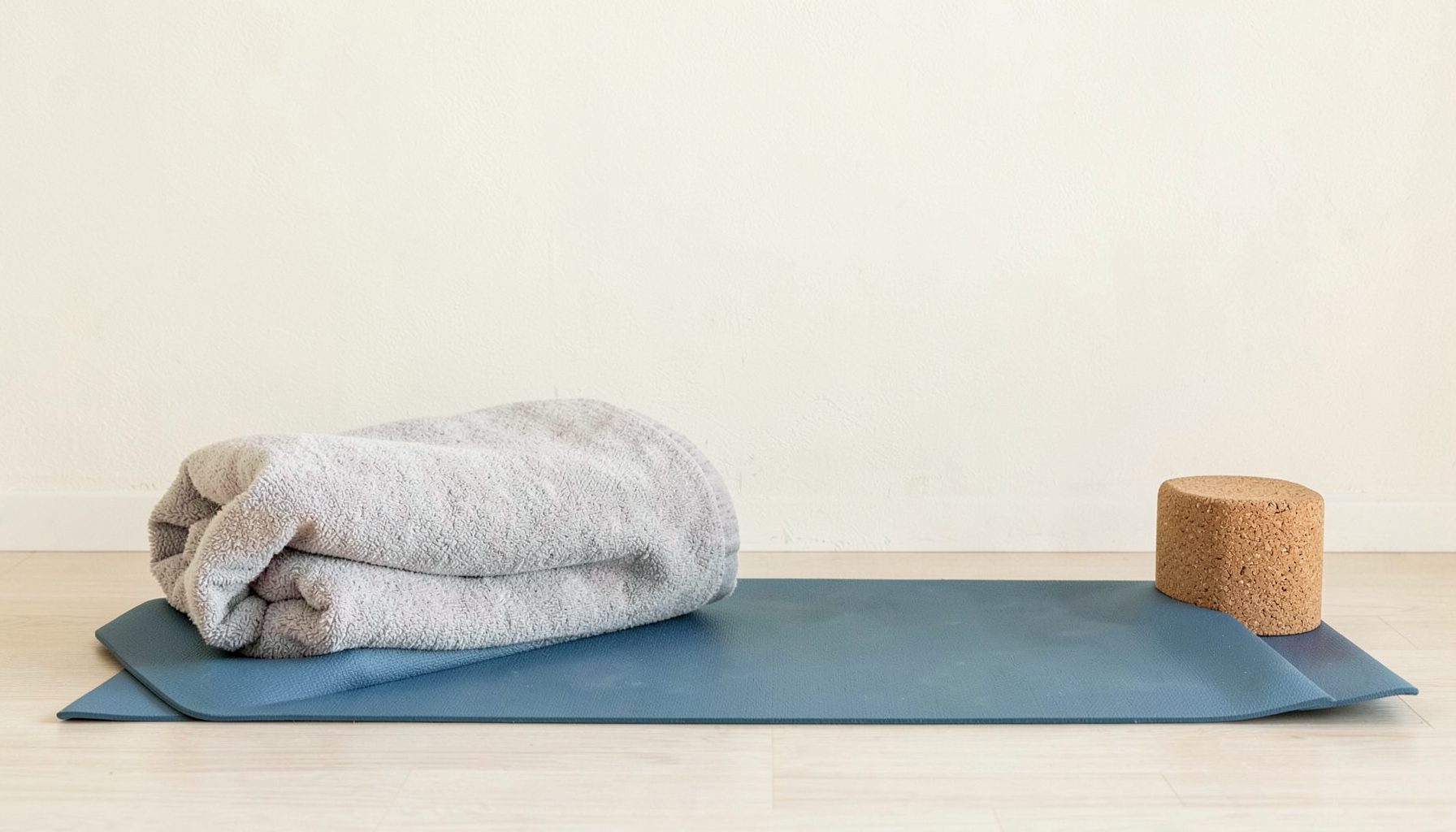
Passive stretching still requires awareness. Relaxing does not mean collapsing into a joint or ignoring discomfort. A useful sensation may feel broad, mild, and steady, while a warning sign can feel sharp, pinching, electric, or increasingly intense. Support from blankets, blocks, and bolsters can make a passive pose more comfortable and reduce the temptation to force range.
Comparing effort, sensation, and purpose
The same yoga shape can include either active or passive elements depending on how you approach it. In seated forward fold, you might actively lengthen the spine, engage the legs, and hinge from the hips. You could also support the torso and release muscular effort, making the pose more passive. Neither version is the universally correct one.
Your breathing can offer useful information. In active stretching, an even breath helps prevent unnecessary bracing while you maintain strength. In passive stretching, smooth breathing can help you stay present as the body settles. If the breath becomes shallow, held, or urgent, the intensity may be exceeding what your system can comfortably process.
| Aspect | Active stretching | Passive stretching |
|---|---|---|
| Main source of movement | Muscle engagement and conscious control | Gravity, props, body weight, or an external support |
| Primary benefit | Stability, coordination, and usable range of motion | Relaxation, gentle tissue lengthening, and body awareness |
| Typical sensation | Effortful, steady, and organized | Spacious, quiet, and gradually releasing |
| Helpful settings | Warm-ups, standing poses, transitions, balances | Restorative practice, cool-downs, meditation, recovery |
| Main caution | Overworking or holding too much tension | Sinking into joints or pushing past clear discomfort |
Active and passive methods can complement each other within one session. You might begin with active movements to warm the body and build joint control, then use supported passive shapes to settle the nervous system. You can also alternate them in a single posture: engage briefly to create stability, then soften while keeping the structure clear.
Choosing the right approach for your practice
Active stretching is often a good choice before more demanding movement. Gentle leg lifts, dynamic lunges, shoulder circles, and controlled spinal movements can prepare the body without asking it to relax deeply before it is ready. These actions increase body temperature and help you sense how your joints are moving that day.
Passive stretching may be more appropriate after activity or during a slower practice. It can also be useful when you feel mentally busy and need a quieter rhythm. A supported child’s pose, reclined bound angle, or legs-up-the-wall variation can offer rest without requiring you to create a large range of motion.
Your choice may change according to sleep, stress, soreness, medication, menstrual cycle, injury history, and the demands of daily life. A practice that feels ideal after a walk may feel unsuitable after poor sleep. Paying attention to these changes is part of yoga’s mindfulness rather than a sign of inconsistency.
If your body feels tired, begin with simple active mobility instead of immediately moving into long passive holds. If you feel overstimulated, reduce muscular effort and use more support. The most beneficial approach is the one that helps you remain connected to sensation rather than detached from it.
Applying both styles in familiar poses
Take a standing hamstring stretch as an example. In an active version, stand tall, press through the supporting foot, engage the lifted leg, and maintain a stable pelvis as the leg moves forward. The range may be smaller, but you are practicing control and preparing the muscles for movement.
For a more passive version, rest the heel on a low step or extend the leg while lying down with a strap. Let the strap provide only enough assistance to create a mild sensation. Keep the shoulders relaxed and allow the knee to remain softly bent if straightening it causes pulling behind the joint.
In a twist, active engagement may involve lengthening the spine, grounding the sitting bones, and using the abdominal muscles to initiate rotation. Passive movement may involve settling into a supported reclined twist and allowing the legs to rest on a bolster. If you enjoy mindful twists and gentle abdominal support, this digestion-focused yoga guide offers a related way to explore movement around the belly.
A hip-opening pose can also shift between approaches. In pigeon or figure-four, active practice means keeping the legs organized and gently drawing them toward the midline. Passive practice means using cushions beneath the hips or knees and letting the posture become more restful. Props do not make the pose less authentic; they often make awareness easier.
Practicing safely and with self-compassion
Stretching should not be measured by how close a limb comes to the floor. Joint structure, connective tissue, previous injuries, strength, and daily habits all influence range of motion. Comparing your shape with another person’s can encourage you to overlook signals that deserve attention.
Stay below the threshold where sensation becomes sharp, burning, numb, or unstable. If discomfort grows as you breathe, reduce the range, change the angle, or come out of the pose. A mild stretch that remains steady is generally more useful than a dramatic sensation that leaves you bracing or recovering afterward.
Warmth matters, especially before deeper passive work. Begin with walking, flowing movements, or gentle joint circles, and avoid treating pain as evidence that a stretch is effective. If you have a recent injury, persistent pain, hypermobility, or a medical condition affecting your joints or muscles, individualized guidance from a qualified health professional can help you practice responsibly.
Simple ways to balance effort and release
- Start with five to ten minutes of active mobility before longer static holds.
- Use a slower exhale to soften effort without losing awareness of your posture.
- Add blocks, blankets, straps, or a wall whenever they reduce gripping or instability.
- Stay for fewer breaths if the sensation becomes stronger rather than steadier.
- Finish by noticing how your body feels, rather than judging how far you moved.
Creating a sustainable stretching rhythm
A balanced yoga routine does not need to include every style in every session. Two or three minutes of active movement may be enough on a busy morning, while a longer supported practice may suit an evening when you need to settle. Consistency comes from making the practice adaptable, not from repeating a demanding sequence regardless of circumstances.
You can also use active and passive stretching for different intentions. Active work can help you feel awake, capable, and prepared to move through the day. Passive work can help you pause, observe, and release unnecessary effort. When the intention is clear, the shape becomes a tool rather than a test.
Try tracking the effects of each method in simple language. Notice whether you feel more stable, mobile, calm, energized, or irritated afterward. This kind of reflection develops practical self-knowledge and helps you choose sequences that support your actual life.
Over time, flexibility may increase, but the deeper outcome is often improved communication with your body. You learn when to engage, when to soften, and when to stop. That discernment is central to a mindful practice and can extend beyond the mat into work, rest, and everyday movement.
Bring this awareness to your next yoga session by choosing one active stretch and one supported passive stretch. Move slowly, breathe steadily, and let the purpose of each shape guide the amount of effort you use. Explore classes, retreats, and gentle downloadable resources from Camille Dodson Yoga to build a practice that meets you with steadiness and care.