




How Yoga Nidra Supports Stress Relief
Stress can make the body feel permanently switched on. Shoulders rise towards the ears, breathing becomes shallow, thoughts move quickly, and even quiet moments can feel strangely uncomfortable. Yoga Nidra offers a way to pause without requiring physical effort or a demanding sequence of postures.
Often described as yogic sleep, Yoga Nidra is a guided relaxation practice completed while lying down or resting in a supported position. A teacher directs your attention through the body, breath, sensations, emotions and awareness. You remain awake enough to follow the guidance, while the body is invited to settle into deep rest.
The practice can be useful for people who feel too tired for an active yoga class, too busy for a long meditation, or too tense to “switch off” at night. It is gentle, adaptable and suitable for many levels of experience, including people who are new to yoga or returning after time away.
For Australians balancing commuting, screen-based work, family responsibilities, shift work or the general pace of city life, a short Yoga Nidra session can become a practical form of nervous system care. It does not remove every source of pressure, but it can change how you meet the next part of your day.
What Yoga Nidra actually involves
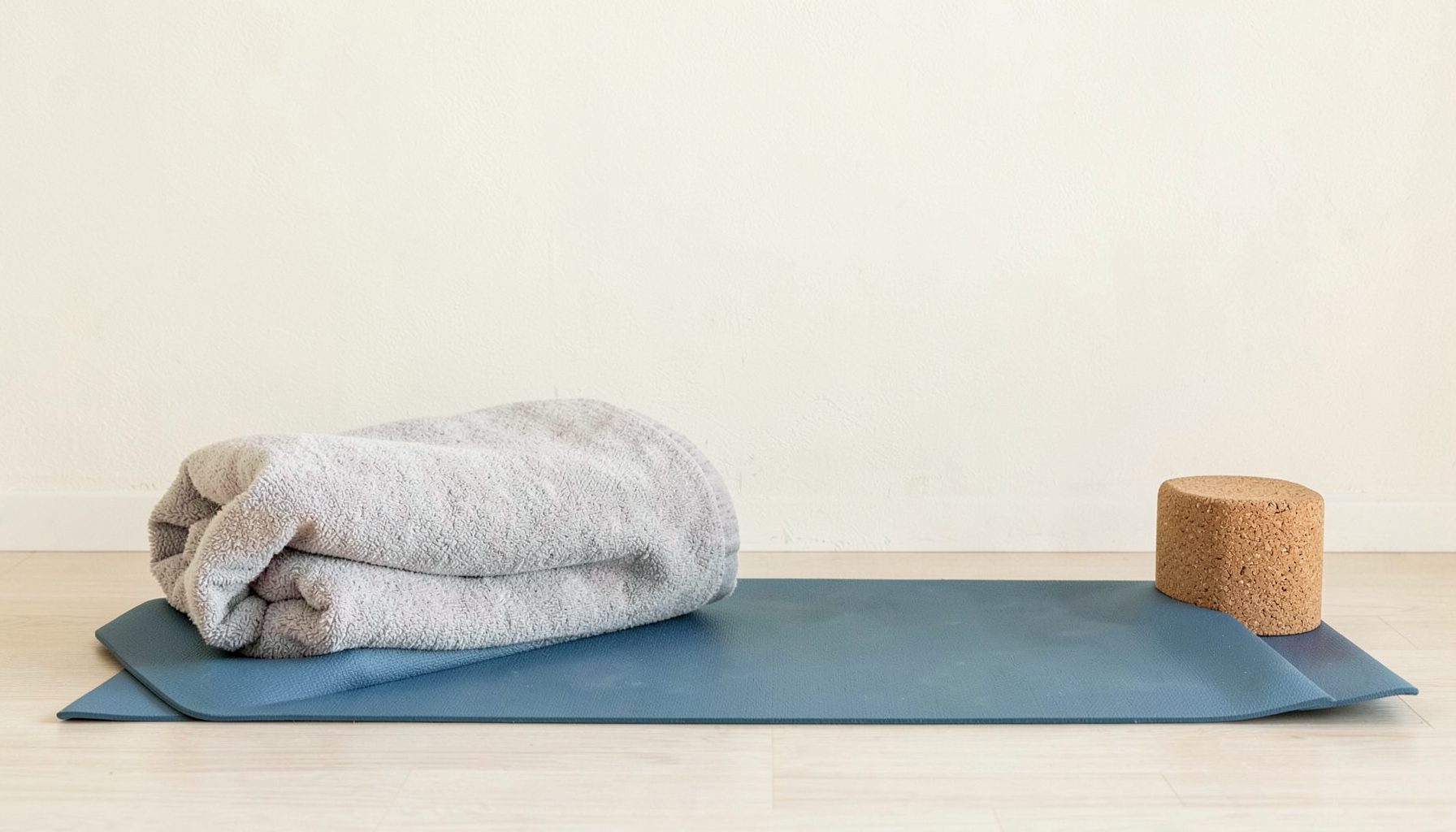
A typical session begins with physical comfort. You may lie on your back in savasana, rest on your side, or recline in a chair if that feels safer or more accessible. Blankets, cushions and an eye pillow can help the body feel supported. The aim is not to create a perfect pose; it is to reduce the need to adjust and perform.
The guide then leads you through a systematic rotation of awareness. You might notice the right hand, left hand, back of the body, face, breath and surrounding sounds. Some practices include a personal intention, visual imagery or gentle observation of opposite sensations such as heaviness and lightness. There is no need to force concentration. When the mind wanders, you simply return to the voice or the next instruction.
Yoga Nidra differs from ordinary sleep because awareness is gently maintained, although drifting off is common. It also differs from seated mindfulness meditation, as the body is usually fully supported and the guidance gives the mind a clear pathway to follow. This can be helpful when silent meditation feels frustrating or overly effortful.
How deep rest can ease stress
Stress activates the body’s protective systems. Heart rate, muscle tone and alertness may increase, while digestion and reflective thinking receive less attention. When this pattern continues for days or weeks, it can become difficult to recognise what genuine relaxation feels like. A guided body scan and slower breathing provide repeated cues that immediate action is not required.
The benefits of Yoga Nidra for stress relief are often experienced as a gradual shift rather than a dramatic breakthrough. The jaw may soften, the breath may lengthen, and the mind may become less entangled with a difficult thought. With regular practice, these moments can help build familiarity with a calmer state, giving you a useful reference point during a busy day.
Research into Yoga Nidra and related relaxation practices suggests possible improvements in perceived stress, sleep quality, mood and general wellbeing. Results vary between people, and Yoga Nidra should not be presented as a cure for anxiety, trauma or a medical condition. It can sit alongside professional support, prescribed treatment and other healthy habits when those forms of care are needed.
Deep rest also supports self-compassion. Instead of treating tiredness as a personal failure, you begin to recognise rest as part of sustainable functioning. This perspective matters when stress is accompanied by harsh self-talk, perfectionism or the belief that you must earn a break.
Why it fits Australian routines
A Yoga Nidra practice can be shaped around the realities of Australian life. Someone in Sydney or Melbourne may spend a substantial part of the day commuting, working at a desk and moving between crowded schedules. A 15-minute recording after work can create a boundary between professional demands and home life without requiring a trip to a studio.
The practice can also suit people in Brisbane, Perth or regional areas who prefer to practise at home, where access to specialist classes may be limited. For FIFO workers, nurses, hospitality staff and others with changing rosters, a short guided session can be easier to maintain than a fixed weekly timetable. It can be done in a quiet room, a hotel space or a shaded spot at home, provided you are safe and undisturbed.
Australia’s climate adds another practical consideration. On a hot summer afternoon, an active practice may feel unappealing, while a supported relaxation session can be adapted to the room and your energy levels. In winter, extra socks and a blanket may be more valuable than pushing through a vigorous class. Yoga Nidra meets the body where it is rather than demanding that every day look the same.
Making the practice comfortable and accessible
Comfort is central, especially if you experience lower back sensitivity, hip tightness or stiffness from sitting. A bolster beneath the knees can reduce pulling through the back, while side-lying rest may be preferable if lying flat feels uncomfortable. If long periods at a desk leave your hips restricted, these gentle hip openers can complement Yoga Nidra without turning rest into another task to complete.
The environment does not have to be elaborate. Dim lighting, a phone on silent and a stable surface are usually enough. If external sounds are unavoidable, such as traffic, children or neighbours, you can include them in the practice rather than treating them as evidence that you are doing it incorrectly. Awareness can include sounds without following every story attached to them.
Accessibility also means choice. You can keep your eyes open, change position, skip visualisations or stop the recording at any point. People with trauma histories may prefer shorter sessions, eyes open and a practice that emphasises contact with the room. A qualified teacher or health professional can help you adapt the practice when particular sensations or memories feel overwhelming.
The goal is not to achieve a special state. It is to practise receiving support from the floor, the chair, the breath and the guidance. This makes Yoga Nidra suitable for a broad range of bodies and energy levels, including days when movement needs to be minimal.
A simple way to practise at home
Choose a time when you are unlikely to be interrupted. Many people prefer late afternoon, after work, or before bed. If you practise in the evening, decide whether you want to remain awake for the full session or use it as part of your sleep routine. Neither option is wrong, although falling asleep means you may miss some of the guided elements.
Prepare your position before pressing play. Place a folded blanket under your head, support the knees, and add warmth around the body. Set a modest duration, such as 10 to 20 minutes, especially if your schedule is full. A short practice completed regularly can be more supportive than an occasional session that feels difficult to organise.
Let the instructions come to you rather than trying to perform them perfectly. If the guide asks you to notice the breath, there is no need to manipulate it. If attention moves into planning tomorrow’s tasks, acknowledge that gently and return to the next sound, sensation or phrase. Stress relief comes through repeated settling, not through winning a battle with the mind.
When the practice ends, reorient slowly. Notice the support beneath you, move your fingers and toes, and take a few unhurried breaths before standing. This transition is especially useful before driving, returning to childcare or beginning a demanding task. Give yourself enough time to move from rest into activity without rushing.
Building a sustainable relaxation habit
Consistency is easier when Yoga Nidra is attached to something already present in your day. You might practise after brushing your teeth in the evening, before an afternoon cup of tea, or immediately after closing your laptop. Keeping a folded blanket in a visible place can reduce the small decisions that often prevent restorative habits from happening.
It can help to vary the purpose of the session. Use a shorter recording when you need a reset, a longer one when you feel depleted, and a bedtime practice when sleep is your main concern. Downloadable restorative practices can make this flexibility easier, particularly when you want guidance available without searching for a new class each time.
Pay attention to simple signs of benefit. You may notice that you recover more quickly after a stressful conversation, fall asleep with less effort, or recognise tension before it becomes overwhelming. These changes can be subtle. Recording how you feel before and after practice in a few words may help you see patterns without turning relaxation into a performance metric.
Yoga Nidra works best as part of a wider foundation that includes regular meals, movement suited to your body, supportive relationships and professional care where appropriate. It is a pause within life, not an obligation to become calm all the time. A sustainable practice leaves room for missed sessions, changing needs and days when rest looks different.
Small choices that support regular practice
Use the following ideas to make Yoga Nidra more approachable and consistent:
- Start with 10 minutes rather than waiting for a completely free hour.
- Practise in a supported position that feels comfortable, including a chair or side-lying rest.
- Choose a predictable time, such as after work or before bed.
- Keep a blanket, cushion and recording ready in the place where you practise.
- Let sounds, thoughts and physical sensations be noticed without needing to fix them.
- Keep your eyes open or change position if that helps you feel grounded.
- Seek qualified support if relaxation brings up distressing memories, panic or physical discomfort.
Stress relief does not need to be loud, strenuous or perfectly planned. A quiet Yoga Nidra session offers a practical opportunity to notice the body, soften unnecessary effort and practise responding to yourself with care. Start with a comfortable position, a short recording and a few uninterrupted minutes, then let that small pocket of rest become a dependable part of your week.