


Moving with the moon: a lunar-inspired yoga sequence
The moon offers a simple image for living with changing energy. Some days invite movement, visibility, and outward action. Others call for quiet, reflection, and restoration. A lunar-inspired yoga practice uses these natural variations as a gentle guide rather than a strict schedule.
You do not need to follow astrology, track every phase, or practice at a particular time of day. The moon can simply become a mindfulness prompt: What feels full today? What is beginning? What needs to soften, release, or rest? From this place, yoga becomes less about achieving a shape and more about listening to the body.
This sequence combines slow movement, breath awareness, supported postures, and moments of stillness. It can be adapted for a morning reset, an evening ritual, or a few quiet minutes between responsibilities. Move with curiosity, and let comfort—not intensity—set the pace.
The moon as a practice rhythm
Lunar cycles are often described through four broad stages: new moon, waxing moon, full moon, and waning moon. Each phase can suggest a different quality of attention. The new moon may bring an inward, spacious feeling; the waxing moon can support gradual momentum; the full moon may feel expressive and awake; and the waning moon can encourage release.
These associations are symbolic, not rules. Your own energy may not match the phase outside your window, and that is completely valid. A restorative practice can be useful during a busy, productive week, while a more active sequence may help when you feel dull or disconnected.
Using the moon as a rhythm can also ease the pressure to practice in the same way every day. Rather than judging yourself for having less energy, you can choose a variation that meets your current needs. This approach supports sustainable yoga, where consistency comes from returning with kindness instead of forcing a performance.
Settle into lunar awareness
Begin seated on a cushion, folded blanket, or the edge of a chair. Let your hands rest wherever they feel natural, and allow your gaze to soften. Notice the contact between your body and the floor. Feel the breath moving through the ribs, abdomen, and back without trying to make it deeper.
Take five unhurried breaths. On each exhale, release one small layer of effort from the jaw, shoulders, hands, or belly. If your mind feels crowded, use this five-minute meditation before moving. A short pause can create more space than immediately reaching for a demanding sequence.
Bring a quiet intention to the practice. You might choose “listen,” “soften,” “begin,” or “let go.” There is no need to force an emotional experience. The intention is simply a thread to return to whenever attention wanders.
A phase-based movement sequence
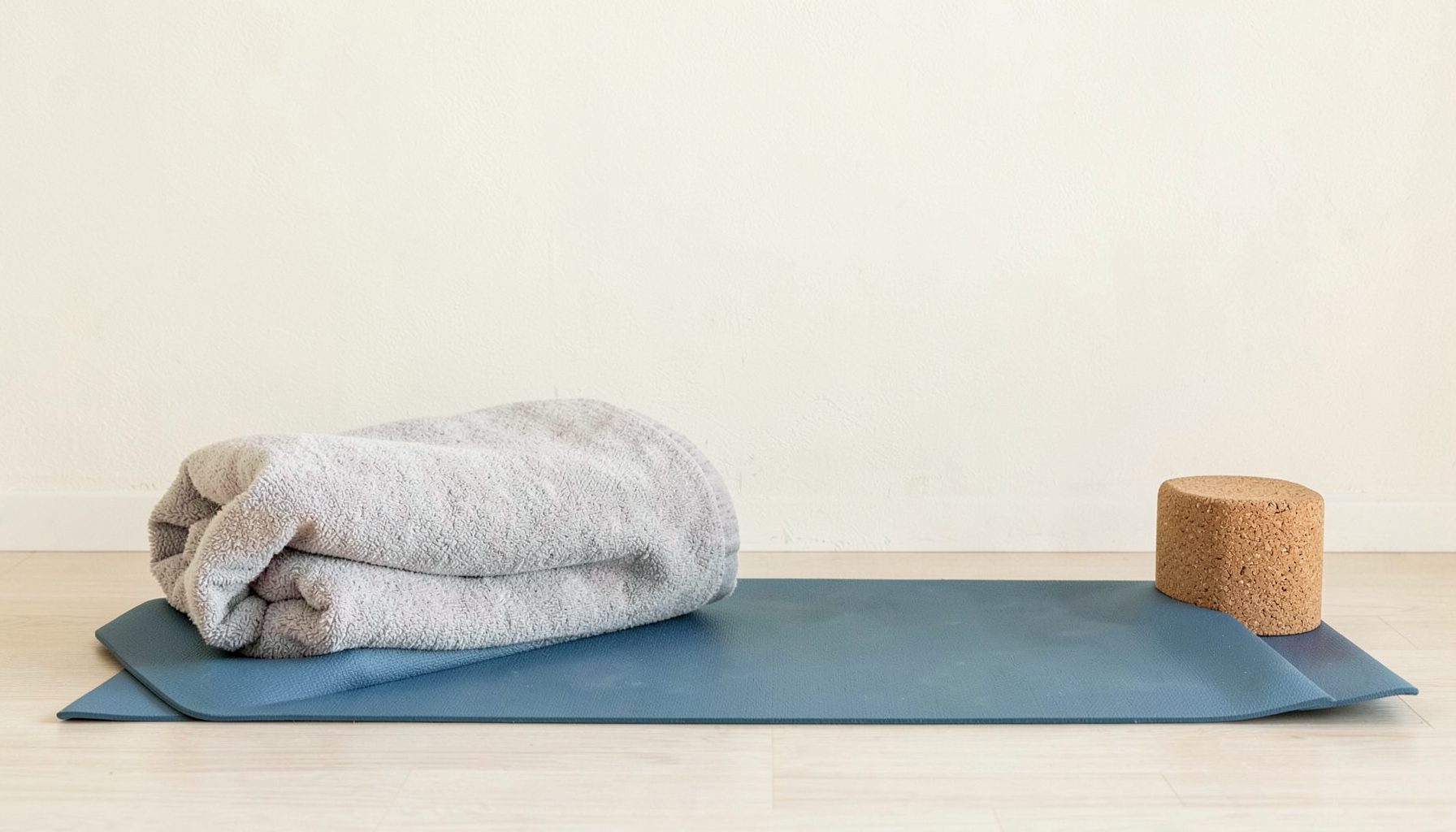
Move through the following sequence slowly, spending three to six breaths in each posture. You can complete the whole practice in 20 to 30 minutes or choose only the parts that match your energy. Keep a folded blanket, cushion, wall, or chair nearby so the practice remains supportive.
| Lunar quality | Suggested focus | Accessible practices |
|---|---|---|
| New moon | Rest, listening, intention | Seated breathing, child’s pose, supported forward fold |
| Waxing moon | Gradual energy, preparation | Cat-cow, low lunge, gentle standing flow |
| Full moon | Spaciousness, expression, presence | Mountain pose, heart-opening arms, balanced standing pose |
| Waning moon | Release, integration, quiet | Supine twist, legs on a chair, extended relaxation |
Start with seated side bends. From a comfortable seat, place one hand beside you and reach the opposite arm overhead. Lean gently to the side without collapsing into the supporting shoulder. Breathe into the open ribs, then switch sides. This movement awakens the breath and creates room through the waist without requiring much effort.
Come onto hands and knees for slow cat-cow. Inhale as the chest moves forward and the sitting bones lift; exhale as the spine rounds and the head relaxes. Let the movement begin in the pelvis and travel through the spine. After several rounds, circle the hips or shift gently back toward the heels. These small variations help you sense what your body is asking for today.
For a gradual waxing-moon quality, step the right foot forward into a low lunge with the back knee supported by a blanket. Keep your hands on blocks, the floor, or your front thigh. Rather than pushing the hips forward, allow the pelvis to feel heavy and the breath to move freely. Change sides, then come to standing through a slow transition.
A full-moon-inspired standing section can include mountain pose, a gentle reach overhead, and a supported balance. Stand with feet grounded and knees soft. Inhale to sweep the arms up; exhale to lower them. For balance, keep the toes of one foot on the floor or hold a wall. Close with child’s pose, a supine twist, or a reclined rest. If backbends feel nourishing, wall-supported backbends can offer a steady, restorative alternative to lifting into a strong pose.
Let breath lead the transitions
Breath can act as the inner metronome of a lunar yoga flow. Try inhaling during movements that create space—reaching, lengthening, or opening across the chest. Exhale during movements that fold, settle, or return toward the center. This pattern is a suggestion, not a requirement; breathing comfortably matters more than matching every motion perfectly.
If the breath becomes strained, shorten the range of movement or pause in a neutral position. A lunar-inspired practice should never require you to override signs of fatigue, dizziness, pain, or agitation. You can always return to seated breathing, lie down, or take a few moments in constructive rest with your knees bent and feet on the floor.
Try adding a soft count if your attention feels scattered. Inhale for a count of four and exhale for a count of five, keeping both breaths relaxed. The slightly longer exhale may encourage settling, while an even breath can help you feel steady when you need a little more alertness.
Build a sustainable moon practice
A personal ritual becomes sustainable when it is flexible enough to fit real life. You might practice a longer sequence near the weekend and choose three minutes of breathing on a demanding weekday. You can also use the moon’s visible changes as a reminder to check in rather than as a reason to criticize yourself for missing a session.
Use these simple options to create a practice that changes with you:
- On a low-energy day, choose supported poses, gentle breathing, and a longer final rest.
- When you feel restless, include standing movements, rhythmic cat-cow, and a slow walking meditation.
- Around a new moon, write one intention after practice and keep it small enough to revisit.
- Around a full moon, explore spacious movement without turning the session into a test of flexibility.
- During a waning phase, finish with a few minutes of quiet and note what you are ready to put down.
Props can make the sequence more accessible and help your nervous system recognize that it does not have to work so hard. A chair can support balance, a wall can steady standing poses, and blankets can reduce strain in kneeling or seated positions. These tools are part of intelligent practice, not signs that you are doing less well.
Keep the language of the practice compassionate. Instead of asking whether you completed the sequence, notice whether you paid attention. Instead of measuring success by intensity, observe whether you left with a clearer sense of your breath, body, or emotional landscape.
Carry the quiet beyond the mat
The value of a moon-inspired sequence continues after the final posture. As you lie down, sense the body as a whole. Notice the temperature of the air, the weight of your limbs, and the natural rhythm of breathing. Allow several minutes for the nervous system to absorb the movement before reaching for your phone or returning to a task.
You can bring lunar awareness into ordinary moments. Pause before opening your email and notice your current energy. Step outside at night and observe the sky without needing to interpret it. Use changing light as a reminder that rest and activity belong to the same cycle. These brief moments turn mindfulness into something lived rather than something reserved for a yoga class.
Close by placing one hand over the heart and one over the lower belly, or choose any gesture that feels grounding. Acknowledge the body for carrying you through this day. The next practice may look different, and that difference is part of the rhythm.
Choose a phase, clear a small space, and begin with five comfortable breaths. Let the sequence be gentle enough to return to, spacious enough to adapt, and steady enough to support you through changing days. Explore Camille Dodson Yoga’s classes, retreats, and downloadable resources to keep your practice moving with awareness, compassion, and the quiet guidance of the moon.