




Using Wall Support for Restorative Backbends
A restorative backbend does not need to be deep, dramatic, or physically demanding. With the right support, it can become a quiet exploration of the front body, breath, and the space between effort and ease. A wall offers dependable contact, helping you feel held while your spine settles into a gentle extension.
This kind of practice can be useful after long periods of sitting, during moments of low energy, or whenever your breathing feels shallow and restricted. The wall reduces the need to balance and gives you clear feedback about where your body is working. That extra stability often makes it easier to soften the shoulders, relax the jaw, and notice subtle sensations.
Restorative yoga is grounded in patience rather than achievement. The purpose is not to force the chest open or create the largest possible curve in the spine. Instead, you can use props and mindful breathing to create a supported shape that feels sustainable, spacious, and appropriate for your body today.
Why a wall can transform the pose
A wall provides a stable surface for the hands, feet, or back. That contact can reduce muscular gripping, especially in the lower back and shoulders. When the body trusts its support, the nervous system may become more receptive to stillness, allowing the pose to feel restorative rather than effortful.
Wall-supported backbends also help distribute movement through the whole spine. Without support, many people seek extension primarily from the lumbar region. Pressing the hands into a wall or placing the feet against it can encourage length through the sides of the waist and mobility through the upper back, rather than compressing one area.
The wall creates a useful relationship between grounding and opening. Your feet may press down while your sternum gently lifts. Your hands may meet the wall while your ribs remain soft. This balance gives the pose direction without requiring intensity, which is especially helpful when exploring chest opening, shoulder mobility, or gentle heart-opening yoga.
Prepare the space and your body
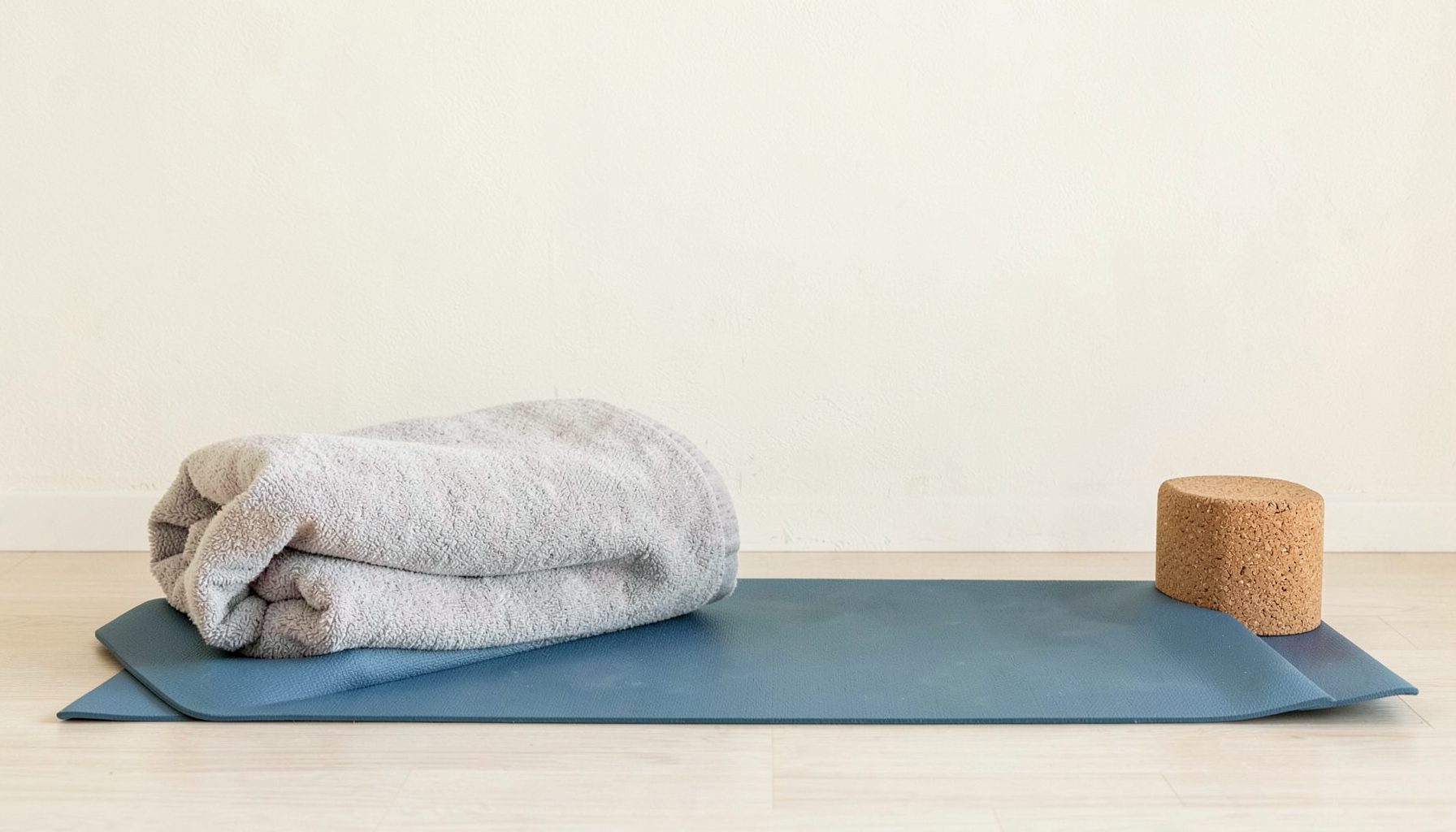
Choose a clear wall with enough room to extend your arms and move slowly. A yoga mat can make the floor more comfortable, while a folded blanket may support the head, knees, or pelvis. Keep a bolster, cushion, or two blocks nearby so you can adjust the height of your support instead of straining to reach the wall.
Before beginning, spend a few breaths noticing your natural posture. Feel the weight of your feet, the movement of your ribs, and the position of your head over your spine. A few gentle movements, such as shoulder rolls, cat-cow variations, or an easy standing side stretch, can prepare the body without creating fatigue.
If you have acute back pain, a recent injury, osteoporosis, uncontrolled blood pressure, or a condition affecting balance, seek guidance from a qualified health professional before practicing. Move carefully when stepping into or out of any supported shape. A restorative pose should feel quiet and manageable; sharp pain, numbness, dizziness, or a pinching sensation are reasons to stop and change position.
Explore a gentle wall sequence
Begin standing about one forearm’s length from the wall. Place your palms at shoulder height, with the fingers spread and elbows relaxed. Step back slightly and hinge from the hips while keeping the spine long. Let the wall receive some of your weight as you lengthen through the sitting bones and draw the chest gently toward the floor.
Stay for five to eight slow breaths. Rather than pushing the ribs forward, imagine creating room across the upper chest. On each inhale, feel the back ribs widen. On each exhale, soften the front ribs and the muscles around the neck. This simple wall stretch can prepare the shoulders and thoracic spine for deeper rest without asking the lower back to do all the work.
For a more grounded option, lie on your back with your feet against the wall and knees bent. Place the feet about hip-width apart, then press lightly through the soles as you lift the pelvis a few inches. Slide a block or bolster beneath the sacrum and allow the pelvis to rest on the support. The lift should be low enough that your breath remains smooth and your throat stays relaxed.
Remain in this supported bridge for two to five minutes, depending on how it feels. Keep the chin neutral and avoid turning the head. To come out, press into the feet, lift the pelvis slightly, remove the prop, and lower slowly. Pause on your back before rolling to one side, giving your spine time to integrate the change.
Compare support options
Different wall arrangements create different sensations. A standing variation may feel spacious through the shoulders, while supported bridge offers more passive opening across the front hips and abdomen. The best choice depends on your energy, mobility, and the part of the body that needs attention.
Use the table as a starting point rather than a strict prescription. Restorative yoga invites adjustment: move the wall farther away, lower the prop, bend the knees, or reduce the length of the hold whenever your breathing becomes strained.
| Supported shape | Main area of focus | Helpful props | Suggested time | Key sensation |
|---|---|---|---|---|
| Standing wall hinge | Shoulders, upper back, hamstrings | Mat, blocks | 5–8 breaths | Length through the spine |
| Supported bridge with feet at wall | Chest, hip flexors, front body | Block or bolster | 2–5 minutes | Gentle lift without gripping |
| Wall-supported recline | Upper back, ribs, breath space | Bolster, blanket | 3–7 minutes | Spacious and quiet breathing |
| Legs up the wall with low support | Back body, pelvis, nervous system | Folded blanket | 5–10 minutes | Rest and reduced effort |
Let the breath guide the backbend
Breath is one of the clearest ways to measure whether a restorative backbend is appropriate. If you can inhale into the sides and back of the ribs, the shape is probably giving you enough room. If the breath becomes shallow, hurried, or concentrated only in the upper chest, reduce the intensity or add more support.
Try counting a relaxed inhale for four and an exhale for five or six, without forcing either phase. A slightly longer exhalation can encourage a sense of settling, but it should never feel like you are emptying the lungs completely. The quality of the breath matters more than the number of seconds.
Attention may wander, particularly when you are asked to remain still. You can return to the sensation of the wall beneath your hands or feet, the movement of the ribs, or the steady contact of the floor. A short practice such as this five-minute meditation can complement supported yoga by helping you practice returning to the present without judgment.
Allow the eyes to soften or close if that feels safe. Notice whether the muscles around the forehead, tongue, and hands can release. The backbend then becomes less about arranging the body perfectly and more about cultivating awareness within a supportive shape.
Adjust common areas of tension
Lower-back compression is one of the most common signs that a supported backbend needs modification. Try bringing the feet closer to the wall, bending the knees more, or lowering the pelvis. You can also place a folded blanket beneath the sacrum or choose the standing wall hinge instead of a lifted shape.
Tight shoulders do not need to reach the wall in a particular way. Keep the elbows bent, widen the hands, or place the forearms against the wall. If the neck feels tense, keep the gaze forward and avoid looking upward. A smaller range of motion with a relaxed jaw is more valuable than a larger shape held with strain.
For sensitive wrists, turn the palms slightly outward or use fists with the knuckles against the wall. If weight-bearing through the hands is uncomfortable, let the wall support the forearms or practice lying down with the feet grounded. Restorative movement should offer choices, not a single correct version.
You can also shorten the hold. Two mindful minutes may be more nourishing than ten minutes spent waiting for discomfort to end. Come out while the breath is still steady and the body still feels supported. This builds trust and makes it easier to return to the practice consistently.
Create a sustainable home routine
A wall-supported backbend can stand alone as a brief reset or form part of a longer sequence. Start with a few minutes of quiet standing, add the wall hinge, move into supported bridge, and finish with a neutral resting position. Child’s pose, constructive rest, or a simple seated pause can help you notice the effects afterward.
Aim for a frequency that feels realistic. Practicing for five to ten minutes several times a week may be more beneficial than attempting an ambitious session that leaves you depleted. Keep the focus on consistency, curiosity, and self-compassion rather than flexibility gains.
Before you begin, identify the quality you want to cultivate. You might choose steadiness after a busy day, softness around the breath, or a sense of spaciousness in the chest. This intention can guide your decisions more effectively than trying to achieve a particular visual shape.
Ways to keep the practice supportive
- Choose the least demanding variation that allows an easy, continuous breath.
- Use blankets, blocks, and a bolster to reduce reaching, gripping, and compression.
- Stay aware of the lower back and adjust as soon as you notice pinching.
- Leave time after the pose to rest, roll to one side, and transition slowly.
- Record a brief note about what felt calming, spacious, or uncomfortable.
A wall does not take the work away from you; it changes the kind of work available. Instead of using effort to hold yourself in space, you can direct attention toward listening, breathing, and responding. That shift is central to a gentle yoga practice because it makes room for your actual needs rather than an imagined ideal.
With regular exploration, supported spinal extension may become a dependable way to pause and reconnect. You may notice easier breathing after sitting, greater awareness of shoulder tension, or a clearer understanding of when your body wants movement and when it wants rest. These changes often develop quietly, through repeated moments of attention.
Set aside a small area near a wall, gather one or two comfortable props, and begin with the simplest variation. Let the support do its job while you practice staying present. Camille Dodson Yoga offers classes, retreats, reflections, and downloadable resources to help you build a mindful practice that feels grounded in everyday life. Explore the available resources and make restorative movement part of your own rhythm.