




Four Ways to Make Your Yoga Practice More Meditative
Yoga can become meditative long before you sit in silence for twenty minutes. A slow transition between poses, a steady exhale, or a moment of noticing tension in the shoulders can shift practice away from performance and toward presence. Meditation is less about emptying the mind than learning to stay connected to what is happening now.
A mindful yoga practice gives attention somewhere kind and steady to rest. The body becomes an anchor, the breath offers rhythm, and simple movement creates space to observe thoughts without being pulled along by every one. This approach can support calm, self-awareness, and a more compassionate relationship with your changing energy.
You do not need a dedicated studio, advanced flexibility, or a long daily routine. Small adjustments can make familiar poses feel quieter and more intentional. The following four methods can be adapted to a home practice, a class, or a few minutes between everyday responsibilities.
Begin With A Deliberate Arrival
The meditative quality of yoga often depends on how you begin. Before moving, take a minute to notice the surface beneath you, the temperature of the room, and the general tone of your body. You might place one hand on your chest and one on your abdomen, then feel three natural breaths without trying to change them.
This pause creates a boundary between the activity before practice and the practice itself. It also gives you a chance to choose an intention. Keep it simple: soften effort, listen carefully, move with patience, or meet yourself as you are. An intention is not a demand to feel peaceful. It is a gentle direction for your attention.
As you settle, notice whether your mind is busy, dull, restless, or open. There is no need to correct the experience. Naming it quietly can reduce the pressure to have a particular kind of session. From this place, begin with movements that feel familiar and unhurried, allowing your body to arrive gradually rather than asking it to perform immediately.
Let The Breath Guide Movement
Breathwork can turn physical practice into moving meditation because it links attention to a steady, changing sensation. Instead of treating breathing as background noise, let it organize the pace of your sequence. You might inhale as the spine lengthens and exhale as the body folds, or simply allow each movement to follow the most comfortable rhythm available.
The breath should remain supportive rather than forced. If counting helps you stay present, try a gentle inhale for four and exhale for four, adjusting the count to suit your capacity. If counting creates strain, release it and notice the texture of each breath instead. Is the inhale cool at the nostrils? Does the exhale soften the jaw or lower the ribs?
| Approach | Where attention rests | Helpful adjustment |
|---|---|---|
| Breath-led flow | The connection between inhale, exhale, and movement | Slow down transitions |
| Stillness meditation | A chosen sensation or sound | Return without judging distraction |
| Restorative practice | Support, weight, and release | Use blankets or cushions |
| Mindful stretching | The edges of sensation | Stay below sharpness or strain |
When the mind wanders, use the next exhale as a return point. You do not have to restart the sequence or criticize yourself for drifting. Each return is part of the practice. Over time, this repetition can make concentration feel less like strict control and more like a patient willingness to come back.
Simplify The Shape And Deepen The Attention
A meditative yoga session does not need a complicated series of poses. Repeating a small number of movements can reveal details that are easy to miss in a fast or varied flow. Try several rounds of cat-cow, a slow standing fold, or a few gentle lunges, keeping your attention on weight, balance, breath, and the quality of each transition.
Choose a range of motion that allows you to remain curious. Instead of asking whether a pose looks deep enough, notice where you feel grounding, spaciousness, effort, or hesitation. You may observe that one side of the body moves differently from the other. You may notice the moment when effort becomes unnecessary. These observations are the substance of mindful movement.
Slowing down also makes it easier to distinguish sensation from judgment. A hamstring stretch might feel intense without being harmful, while a sharp or pinching sensation may be a signal to change position. Use props, bend the knees, reduce the range, or pause. Self-compassion is a practical part of a sustainable practice because it keeps attention available for listening.
If your space is limited, you can still create a thoughtful routine with seated stretches, standing balance, or a mat placed beside a bed. This small-space practice guide offers ideas for building consistency without needing a full room devoted to yoga.
Use The Senses As Anchors
Meditation becomes more accessible when attention has a specific place to land. The senses offer several options. During a standing pose, feel the contact between your feet and the floor. During child’s pose, listen to the sound of your breath. In a seated twist, notice the sensation of clothing against the skin or the movement of the ribs.
You can also practice with your eyes open. Let your gaze rest softly on one point instead of scanning the room. A candle, a plant, or the edge of a window can provide a visual anchor, though nothing special is required. Open-eyed awareness may feel especially useful when closing the eyes makes you feel disconnected, sleepy, or unsettled.
Sound is another powerful focus. Rather than trying to block household noise, receive it as part of the environment. Notice a car passing, a refrigerator humming, or voices in another room, then return to the breath and body. This reframes distraction as an invitation to practice awareness in ordinary conditions.
Try choosing one primary anchor for each session. When too many techniques compete for attention, meditation can feel like another task to manage. One sensation, sound, or visual point is enough. If it fades from awareness, notice that gently and reconnect with it.
Create Conditions That Support Stillness
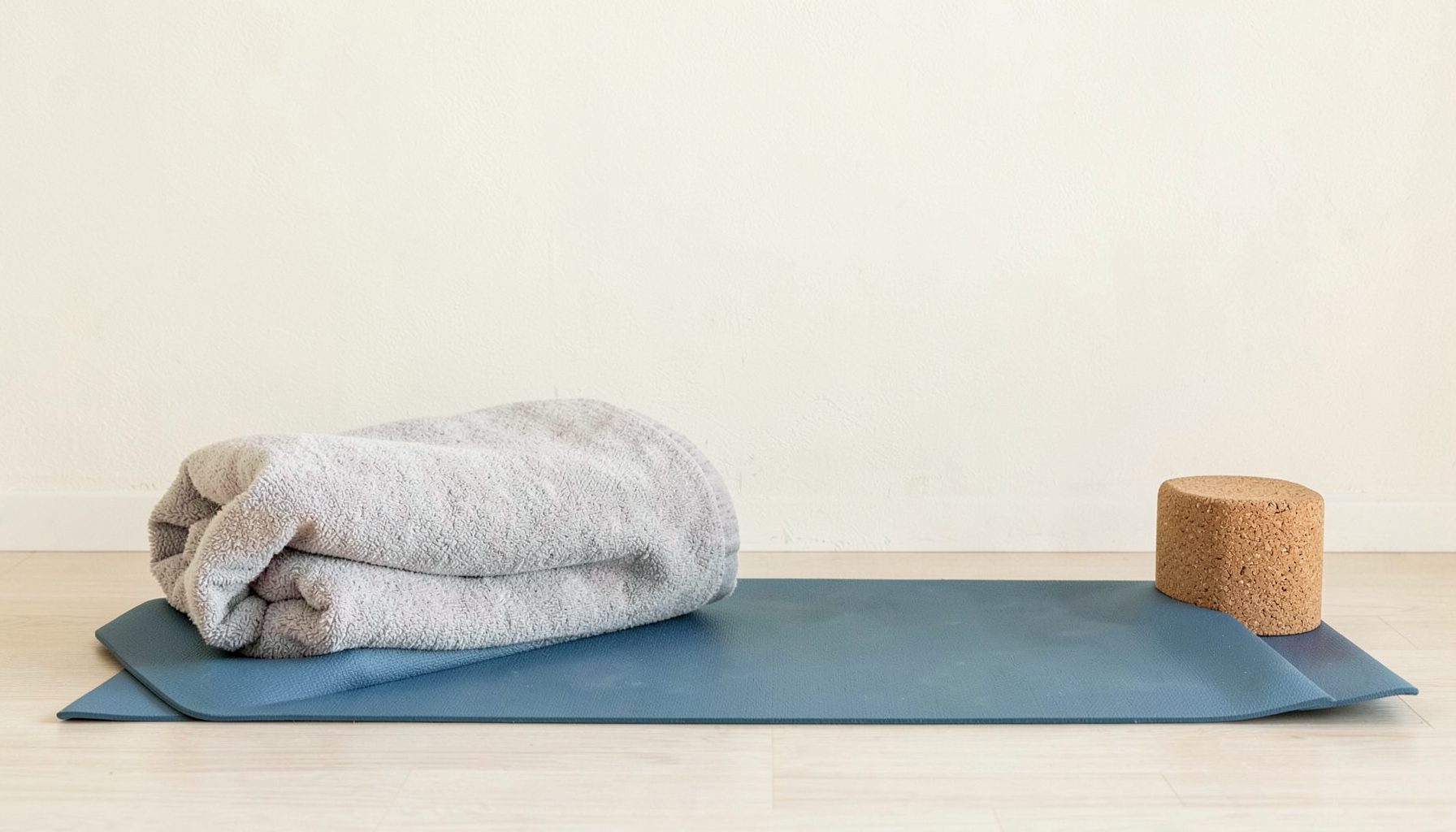
Your surroundings can encourage a slower pace, but they do not need to be perfect. Dim the lights if that feels calming, silence notifications, and gather any props before you begin. A folded blanket, cushion, strap, or wall can help the body settle, making it easier to direct attention inward instead of negotiating discomfort.
Consider the timing of your practice as well. A few quiet minutes in the morning may feel different from restorative poses before bed or a mindful pause after work. Choose a time when you are less likely to rush. Even if your schedule changes, a familiar starting ritual can signal that it is time to move with care.
A supportive environment includes emotional safety. If a particular style, pose, or pace makes you feel pressured, modify it. Meditation is not measured by how still you look or how long you remain in a posture. It is strengthened by honest awareness, including the recognition that today may call for rest, movement, or something very simple.
You can finish by staying in stillness for one or two minutes. Feel the effects of your practice without immediately reaching for your phone. Notice whether the body feels warmer, heavier, clearer, or unchanged. This quiet observation helps connect the physical sequence with the reflective quality that makes yoga meditative.
Build A Rhythm You Can Return To
Consistency matters more than duration. A five-minute practice repeated regularly may cultivate more presence than an ambitious hour-long routine that becomes difficult to maintain. Set a modest minimum, such as three mindful breaths, one slow round of movement, or a brief seated pause. You can continue if energy and time allow.
It may help to separate the idea of a complete practice from the act of showing up. Some days, meditation will feel focused. Other days, you may notice constant planning, irritation, fatigue, or physical discomfort. Both experiences provide information. The goal is not to produce the same internal state each time, but to meet each session with attention and flexibility.
Use the following choices to keep your routine gentle and realistic:
- Begin with one minute of quiet breathing before any pose.
- Select three familiar movements and repeat them slowly.
- Keep the exhale relaxed rather than trying to breathe perfectly.
- End with a short body scan, noticing areas of ease and tension.
- Record one sentence about what you observed, without evaluating the session.
A journal entry can be as simple as “I felt distracted and kept returning to my feet.” That sentence recognizes effort without turning practice into a score. Over weeks and months, these small returns can influence how you respond to stress away from the mat. The pause learned in yoga may become available during a difficult conversation, a busy commute, or an unsettled morning.
Meditative yoga is a relationship with attention, not a performance of serenity. Begin with one anchor, one accessible movement, and enough time to notice what is present. Explore classes, guided resources, or a personal sequence that respects your body and your schedule, then return often enough for the practice to become familiar. Let each session offer a quiet opportunity to breathe, listen, and move toward yourself with care.