




Exploring Ahimsa Through Yoga And Everyday Life
Ahimsa is often translated from Sanskrit as non-harming, though its meaning reaches beyond avoiding physical violence. It invites us to notice the effects of our thoughts, words, choices and habits, then respond with greater care. In yoga philosophy, ahimsa is the first of the five yamas: ethical principles that guide how we relate to the world around us.
On the mat, this principle can be as simple as easing out of a pose before strain becomes pain, taking a rest when your breath becomes jagged, or choosing steadiness over performance. Off the mat, it may involve changing how you speak to yourself, setting a respectful boundary, or considering the impact of everyday consumption.
For Australian practitioners, this approach can fit a wide range of lives: a quick practice before a Sydney commute, a gentle class after a hot Brisbane day, or mindful movement following hours at a desk in Melbourne. Ahimsa does not demand a perfect lifestyle. It offers a practical way to make each choice a little more compassionate.
Ahimsa As A Living Practice
The yamas appear in Patanjali’s Yoga Sutras as foundations for ethical living. Ahimsa sits first because the other principles become difficult to practise when our actions are driven by aggression, fear or disregard. It is less a rulebook than a quality of attention: before acting, we pause to consider whether a choice creates unnecessary harm.
Non-harming does not mean avoiding every discomfort. Growth can feel unfamiliar, and honest conversations may be uncomfortable. Ahimsa asks us to distinguish between discomfort that supports healing and suffering created by force, neglect or cruelty. A challenging yoga pose may strengthen awareness, while ignoring a sharp pain simply to keep up with the class can be a form of self-abandonment.
This distinction is especially helpful for people who have learnt to measure progress through effort. The language of “pushing through” is common in fitness spaces, workplaces and everyday Australian conversation. Ahimsa offers another measure: can we remain present, responsive and kind while meeting an appropriate edge?
Listening Before Pushing
A non-harming practice begins with listening. Notice the quality of your breath, the sensations in your joints, the temperature of your body and the emotional tone you bring to the mat. These signals are not obstacles to a successful practice; they are information. When you listen early, you have more choices available.
Try softening the effort in familiar postures. In Downward-Facing Dog, bend the knees if the hamstrings feel tight. In a seated forward fold, lengthen through the spine rather than pulling yourself towards the legs. In a twist, keep space around the breath instead of forcing a deeper rotation. The shape may look less dramatic, yet the practice can become more attentive and sustainable.
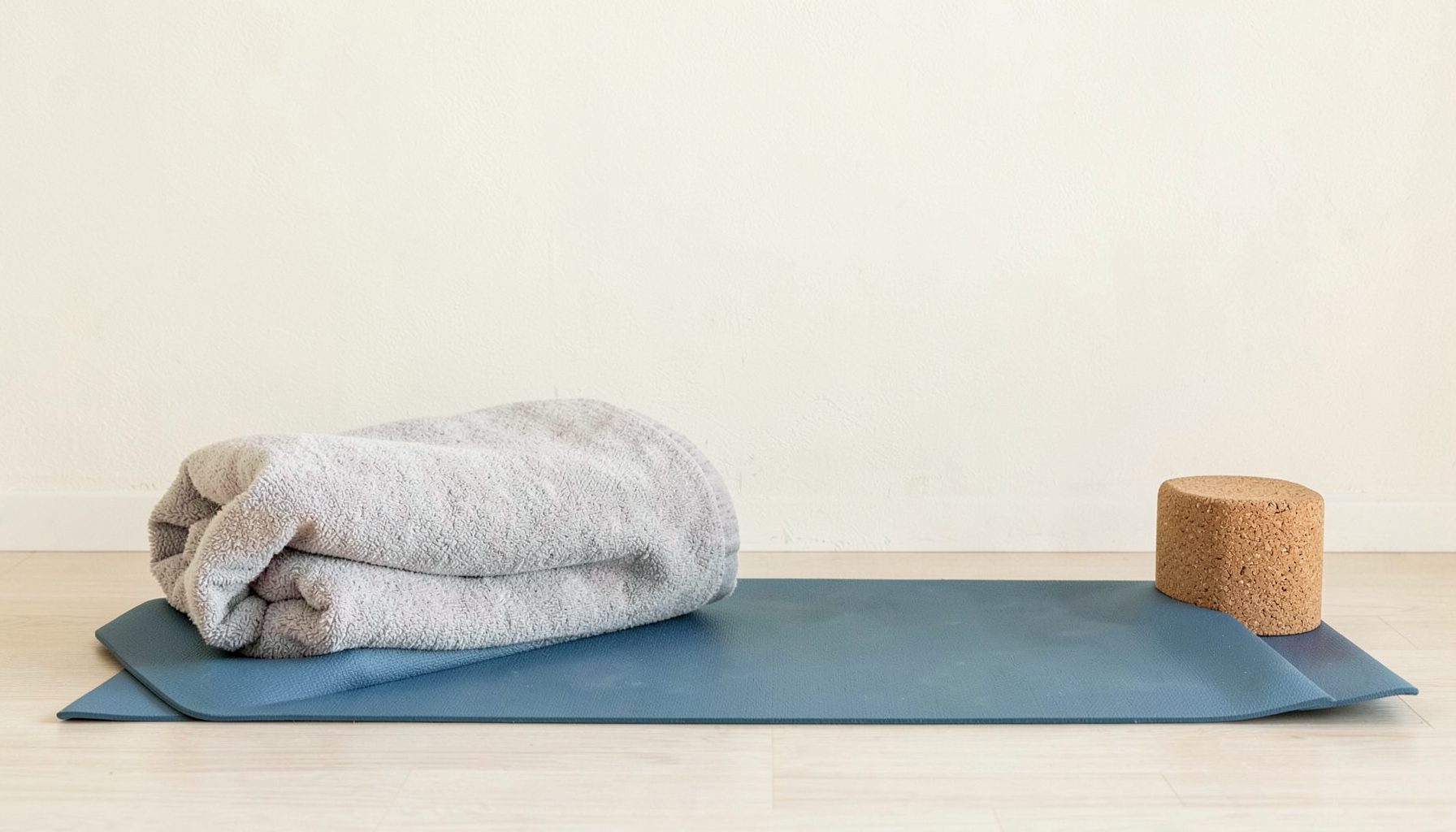
Props can help make this listening easier. A block brings the floor closer, a strap can reduce gripping and a bolster offers support during restorative postures. This yoga props guide explains how simple equipment can adapt poses without turning support into a sign of inadequacy.
Language And Inner Climate
Many people experience the strongest pressure in yoga through their own internal commentary. Thoughts such as “I’m too stiff”, “I should be better at this” or “everyone is watching me” can create a tense inner environment. Ahimsa does not require replacing every difficult thought with forced positivity. It encourages a kinder, more accurate voice.
Instead of saying, “My body cannot do this,” try, “This variation is not available to me today.” Instead of labelling a practice as a failure, describe what happened: “My energy was low, so I chose fewer postures.” This shift protects dignity while keeping you connected to reality.
Self-compassion is not a way of avoiding responsibility. It makes honest reflection more possible. When you are not busy defending yourself from harsh judgement, you can recognise a habit, repair a mistake and choose a different response. A gentle tone can create the emotional safety needed for meaningful change.
Relationships, Work And Community
Ahimsa also shapes how we speak and listen with other people. It may mean declining an invitation without inventing an elaborate excuse, giving feedback without humiliation, or allowing someone to finish their thought. Kindness is not the same as constant agreement. Clear boundaries can prevent resentment and protect the relationship from repeated harm.
In a busy Australian workplace, this might look like taking a proper lunch break instead of celebrating exhaustion, communicating realistic deadlines or turning off notifications after hours. For people working remotely, studying, parenting or doing FIFO work, the details will vary, yet the principle remains: your time, attention and nervous system deserve care.
The same awareness applies in a yoga class. Teachers can offer options rather than assuming one pose suits everyone. Students can avoid comparing flexibility, strength or balance. A welcoming studio makes room for different ages, bodies, cultural backgrounds and levels of experience. Whether the setting is a community hall in regional Victoria or a small studio near the coast, belonging grows when nobody has to perform worthiness.
Care For The Body On The Mat
Practising ahimsa does not mean making every session slow or passive. Strong movement, heat and challenge can be part of a nourishing practice when they are approached with consent and awareness. The key is to work with the body rather than treating it as a problem to overcome.
Warm up gradually, especially if you are practising early in a cool Melbourne morning or after sitting for a long drive. In warmer parts of Australia, be mindful of dehydration and the effects of humidity. A heated room can make flexibility feel greater than it really is, so move slowly and avoid using temporary looseness as a reason to force range.
Resting poses are active forms of care. Child’s Pose, constructive rest, legs up the wall or a few minutes lying quietly can help the nervous system settle. If getting down to the floor is difficult, practise seated or standing. A chair is a useful support rather than a compromise; these chair yoga sequence ideas can bring mindful movement into a workday without requiring special clothing or a large space.
Extending Care Into Daily Choices
Ahimsa becomes more meaningful when it reaches beyond the yoga mat. You might reduce unnecessary waste, choose products with less harmful packaging, care for local waterways or support businesses whose practices align with your values. It is easy to turn ethical living into another source of pressure, so remember that thoughtful change can happen gradually.
Connection with the natural world can make this principle tangible. A quiet walk among eucalyptus trees, a swim at the beach outside peak heat, or a few minutes noticing birds in a suburban garden can restore a sense of relationship. Care for Country requires respect, humility and awareness that connection to land is grounded in Aboriginal and Torres Strait Islander knowledge and custodianship, not simply a wellness trend.
Food, travel and consumption also invite reflection. Ahimsa does not prescribe one universal diet or lifestyle. Instead, it encourages curiosity about impact, access and intention. Choosing a local seasonal meal when practical, repairing something before replacing it, or reducing unnecessary car trips may be meaningful steps. The aim is conscious participation rather than moral perfection.
Practical Ways To Practise Ahimsa This Week
A small practice is easier to sustain than a dramatic promise. Choose one area where you regularly apply pressure, then experiment with a response that includes more patience. You can use the following ideas on the mat, at work or in conversations:
- Begin with three unhurried breaths and notice what your body needs before choosing a pose.
- Replace one self-critical thought with language that is specific, truthful and supportive.
- Take a short movement break during desk work instead of waiting until your body feels tight or sore.
- Practise saying a clear, respectful “no” when your capacity has been reached.
- Choose one everyday purchase, meal or journey to consider more mindfully.
- Offer someone your full attention without preparing your reply while they speak.
- End your practice with rest, even when part of you believes you have not done enough.
Keep a brief journal for a few days if it helps. Write down where force appeared, what signals you noticed and what changed when you responded with care. You may find that ahimsa is most visible in ordinary moments: releasing a clenched jaw, pausing before sending a sharp message, or deciding that rest is the responsible choice.
Making Non-Harming Sustainable
A sustainable practice includes room for inconsistency. There will be days when you rush, speak impatiently, overcommit or ignore your body’s signals. The practice is not ruined by these moments. Ahimsa can begin again through acknowledgement, repair and a realistic next step.
It can help to create gentle anchors. Begin the morning with a hand on the heart and a slow exhale. Pause before entering a difficult meeting. Place a folded blanket near your mat as a reminder that support is available. At the end of the day, ask what helped you feel more connected and what created unnecessary strain.
Teachers, friends and community can offer encouragement, though your practice remains personal. A retreat in the hinterland, a local studio class or a downloadable meditation may provide structure, yet the deeper work continues in the choices you make when nobody is watching. Progress may look quieter than a deeper pose: steadier breathing, clearer boundaries and less fear of resting.
Ahimsa is a way of meeting life with care rather than control. It encourages strength without aggression, honesty without cruelty and discipline without punishment. On the mat, listen before pushing. In conversation, speak with respect. In daily life, consider the wider effects of your choices while allowing yourself to remain human.
What to remember is simple: non-harming begins with attention. Each time you notice a need, soften unnecessary judgement and choose the least harmful response available, yoga becomes something you practise through your whole life.