



Exploring the element of water in your practice
Water is woven through Australian daily life in both obvious and intimate ways: summer rain on a verandah, a cool glass beside the bed, the Southern Ocean beyond the city, or a dry creek bed after a long summer. Exploring the element of water in your practice can connect bodily sensation with the climates, landscapes and changing rhythms that shape a day.
In yoga, water commonly represents fluidity, adaptability and receptivity. Its qualities can be felt in a smooth inhale, a gradual transition, or the way attention moves around a sensation without gripping it. Rather than treating water as a symbolic idea alone, this approach invites you to explore it through movement, breath and the emotional climate of a particular moment.
The element of water does not require advanced flexibility, special equipment or an idealised notion of calm. It can be found in slow seated movement, supported rest, mindful breathing and ordinary transitions such as reaching for a mug or rising from a chair. Even a brief pause can reveal how much effort is present when the body is asked to surrender rather than force.
A water-based practice is also a practice of self-compassion. Shapes may change from one day to the next, and the response can change with heat, sleep, stress or weather. The aim is not to make movement perfectly fluid, but to notice where resistance appears and meet it with curiosity, care and enough space to respond.
Water as a way of listening
The water element, known in some yoga traditions as chala, brings together several qualities: liquidity, adaptability, coherence and the ability to receive what is happening. A river can be powerful without being rigid, and the sea can hold immense movement while remaining steady. These images offer a generous model for attention during practice.
Fluid movement does not mean shapeless movement. A hand still needs direction, and the body still benefits from clear support and sensible boundaries. Water has banks; breath has a beginning and an end; attention has a chosen focus. The fluidity comes from responding continuously to these conditions rather than becoming attached to one fixed plan.
A simple way to explore this quality is to rest the hands on the thighs and feel the movement of the breath. Follow the slight expansion of the ribs, the softening of the shoulders and the changing temperature of the air near the nostrils. When a thought arrives, let it pass as you would notice a current moving across water. The return to sensation is not an attempt to empty the mind, but a way of listening more closely.
Practising fluidity in movement
Begin by sensing the body before changing its shape. Notice where the breath is already moving freely and where it feels restricted. A small side bend, a gentle wrist rotation or an easy lift of the arms can reveal how a small motion travels through the shoulders, spine and hips. This kind of attention makes movement responsive rather than merely repetitive.
One accessible sequence might begin with seated arm movements resembling waves passing through the upper body. Let the arms rise and fall with the breath, allowing the ribs and breath to participate without insisting on a particular depth. From there, move to hands and knees for a fluid rocking motion, pause in a comfortable rest position, and rise slowly with support if needed. Each transition remains an invitation rather than a test.
Breath adds another dimension to this exploration. Imagine cool water moving in and warm water moving out, or picture the breath circulating like a tide around the torso. Such imagery can settle an active nervous system and make the exhale feel less forced. The breathwork remains comfortable and unforced; there is no need to retain air or pursue a special sensation. Feeling supported is more useful than performing intensity.
Weather, seasons and local rhythm
Local weather makes the water element especially present. Around Sydney, a morning beach practice might be followed by the sound of surf, harbour ferries or wind moving through coastal shrubs. The contrast between salt air and a warm studio can change how the body feels, while the sea offers a natural point for rhythmic attention. Even residents far from the coast may feel the elemental quality through humidity, rain or the brightness of a clear day.
Melbourne’s changeable skies create another relationship with water. Grey light, sudden rain and dry indoor heating can alter the atmosphere of a class, yet the variability can become part of the practice. The familiar ritual of meeting in a neighbourhood studio, then gathering near a laneway café afterwards, allows the focus on mindful breathing to extend into ordinary conversation and urban movement.
Further north, Brisbane’s humid summers and brief, intense storms can make slow movement feel especially inviting. People may choose to practise beside an open window and listen to rain on leaves, or visit one of the city’s shaded parks when the heat eases. In Perth, dry summers and the sea breeze rolling in from Fremantle offer a different rhythm, with hydration and shade becoming central to a sustainable routine.
Continuity and shared practice
A water element is reflected in relationships that adapt over time. It is visible in a Penarol collection of stories across generations, where long-term participation and family memory help shape a community’s identity. The parallel to yoga is direct: a practice becomes durable when people can return without having to perform an idealised version of themselves.
Classes, retreats and community sessions add another layer to this exploration. A room full of people breathing at different speeds offers a collective rhythm, much like waves moving through the same stretch of ocean. The experience can be especially meaningful in places connected with Australian retreat culture, such as Byron Bay, where beach walks, market visits and shared meals often become part of a weekend of practice. Inclusion matters just as much as atmosphere, so clear options, respectful pacing and permission to adapt support a wider range of participants.
Continuity does not require sameness. A person who once preferred energetic standing postures may later need softer movements, while another may find that an early-morning class suits their schedule better than a weekend retreat. The quality of water allows a practice to change without being judged as a failure. A sustainable personal routine is one that can flex with the seasons and still offer a dependable place to return to.
Rest, release and the value of stillness
Water can also represent release. As rain reaches the soil and a river carries leaves downstream, letting go can feel like a natural part of a cycle rather than a dramatic act of will. In restorative yoga, this quality is explored through supported shapes, longer exhalations and the gradual reduction of muscular effort. The body does not need to be completely motionless to begin softening.
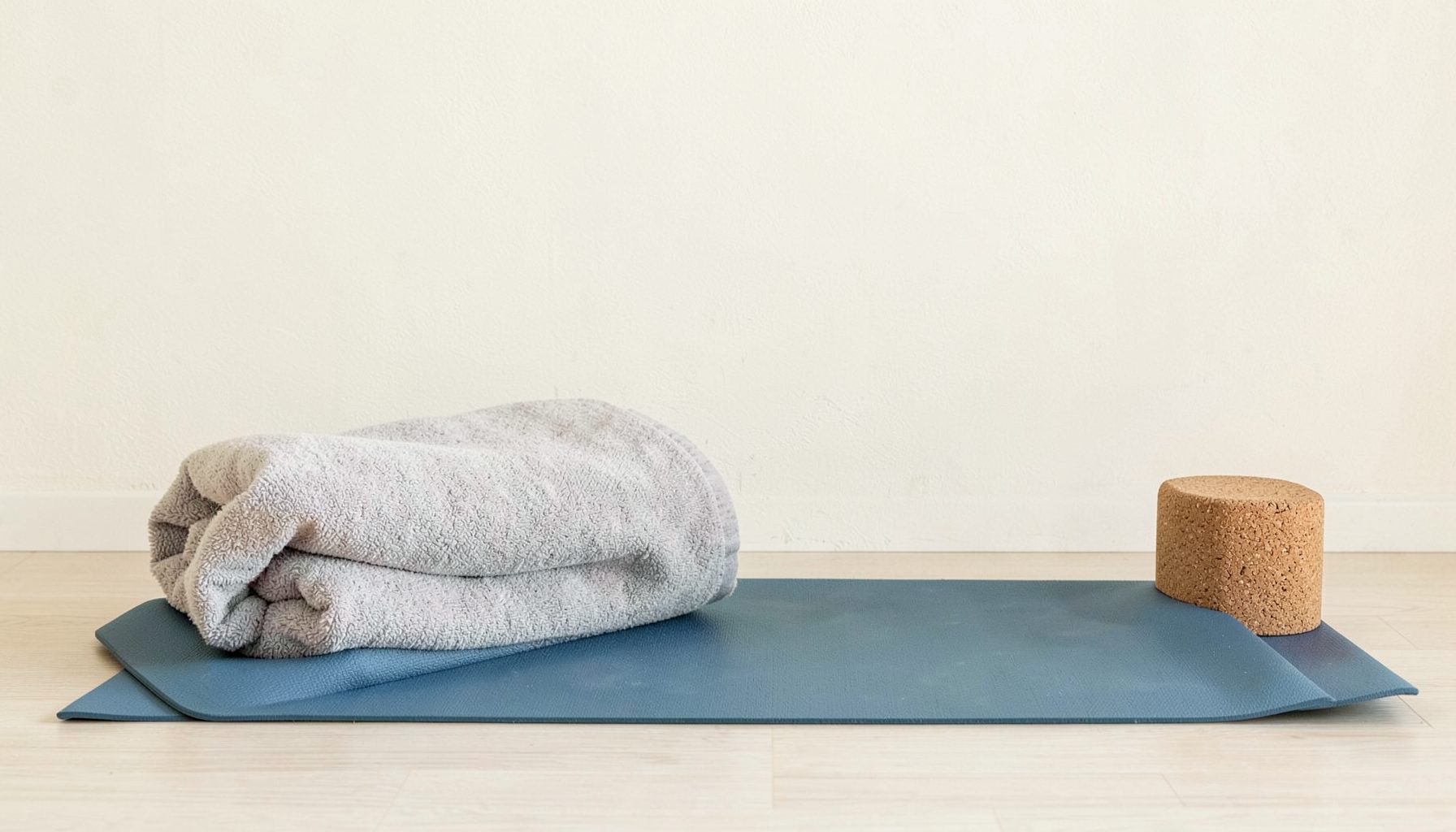
Savasana can be difficult precisely because stillness gives the mind more room to become active. A practical companion for that experience is savasana for restlessness, which considers how to remain still without turning relaxation into another task. The emphasis falls on comfort and permission, allowing the practice to be as simple as arranging a blanket, supporting the knees and listening to the breath.
Rest also needs to fit the environment. During hot Australian nights, a practice may take place on a cool tiled floor with a light covering rather than beneath heavy blankets. In cooler weather, warmth around the feet and shoulders can make settling easier. Small adjustments prevent rest from becoming another source of strain and help the body recognise that it is safe to release effort.
Bringing water into daily life
The qualities developed on the mat extend through ordinary routines. Hydration, movement between tasks, changing weather and the shifting demands of work all offer opportunities to respond with adaptability. A tight moment can be met with an unhurried exhale; frustration can be allowed to move through without becoming the whole emotional climate. Mindfulness becomes less about reaching a perfect state and more about noticing when the water of attention has become still, choppy or frozen.
Information about classes, retreats and adapting a home practice is available through contact Camille, where the enquiry process and current options are explained. The wider collection of meditations and printable sequences also supports people who prefer to build a gentle rhythm at home. These resources can complement, rather than replace, the embodied experience of practising with others.
The practical takeaway is three breaths, one unhurried transition and one observed pause: enough to bring fluidity, adaptability and self-compassion into a practice that might otherwise feel rigid.