



Exploring opposite movements for a balanced yoga practice
Yoga often invites us to notice relationships rather than isolate single postures. A forward fold and a backbend may seem like opposites, yet both can reveal how the spine, hips, shoulders, breath, and attention respond to movement. Practiced with care, they create a conversation between yielding and lifting, grounding and expanding.
Forward bends generally draw the body inward. They can feel quiet, cooling, and reflective, especially when the exhalation guides the torso toward the legs. Backbends create a sense of length through the front body and may feel energizing or emotionally spacious. Neither category is automatically relaxing or invigorating for everyone, so the most useful approach is curious rather than prescriptive.
Exploring opposite movements: forward folds and backbends for balance does not require extreme flexibility or advanced shapes. It means learning to recognize what each direction asks of you, then choosing an appropriate range of motion. A sustainable sequence leaves room for breath, adaptation, and the steady development of body awareness.
The relationship between yielding and lifting
A forward fold is often described as a movement toward the legs, but the deeper action is more nuanced. The pelvis may tip forward while the spine lengthens, the abdominal wall softens, and the head becomes heavy without being pulled down. In a seated fold, the hips and hamstrings influence the shape; in a standing fold, the feet and balance also become important.
A backbend is not simply a matter of throwing the head backward or compressing the lower spine. Healthy spinal extension is distributed across the whole spine, with support from the legs, pelvis, shoulder blades, and deep abdominal muscles. A gentle cobra, supported bridge, or low sphinx pose can offer the essential experience without demanding a dramatic arch.
These directions can balance one another because they change the body’s relationship with gravity. Folding may encourage release and inward attention, while extension can stimulate alertness and confidence. Still, balance does not mean performing equal numbers of each pose. It means responding to what your body and nervous system need on a particular day.
Making forward folds spacious and steady
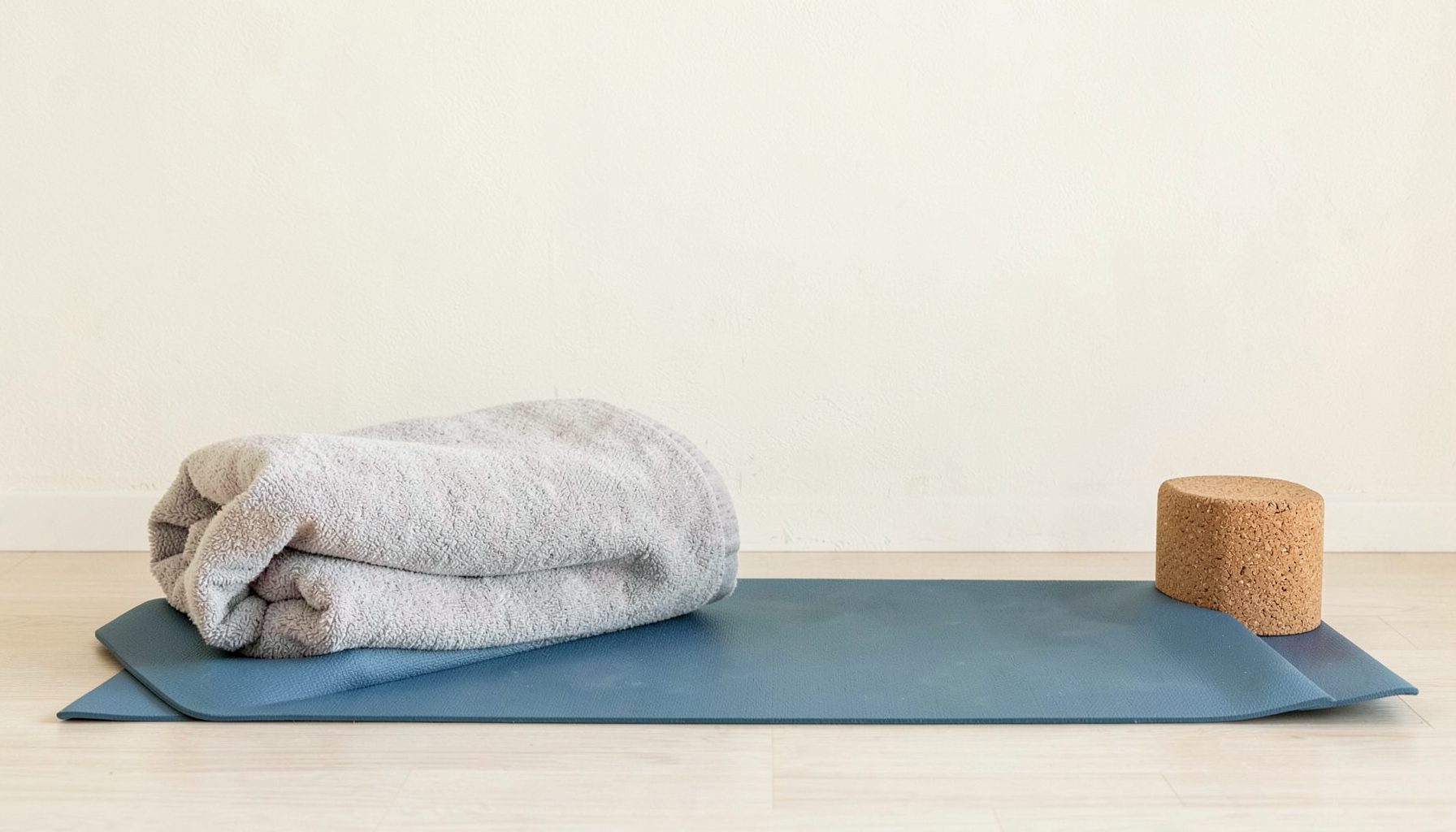
Begin forward bends by creating length before depth. In a standing fold, soften the knees and hinge from the hips rather than trying to reach the floor with straight legs. A folded blanket, blocks, or a chair can bring support closer to the hands. The aim is to maintain a sense of ease through the breath, not to prove how far the torso can travel.
The hamstrings may limit a fold, but they are not the only consideration. Tight calves, restricted hip movement, fatigue, or sensitivity in the lower back can all affect the experience. Keeping the spine long for part of the movement, bending the knees generously, or practicing a reclined hamstring stretch may be more appropriate than forcing a traditional shape.
Stay for several slow breaths and observe the difference between sensation and strain. A broad stretch through the back of the legs can be informative; sharp pain, tingling, numbness, or an urge to escape the pose is a clear reason to reduce the range or come out. Resting in child’s pose is optional, not a requirement after every backbend or fold.
Finding support in backbends
Backbends become more comfortable when the legs and pelvis participate. In a low cobra, press the tops of the feet into the floor and lift the chest with minimal help from the hands. In bridge pose, keep the knees tracking toward the toes and lengthen the tailbone toward the backs of the knees. These actions distribute effort instead of placing all the movement in the lumbar spine.
The shoulders also need preparation. Gentle shoulder rolls, clasped-hand movements, puppy pose, or a supported chest opener can introduce extension without asking for the full shape immediately. Rather than squeezing the shoulder blades together, imagine them sliding down the back while the collarbones widen. This creates space across the chest and reduces the temptation to grip the neck.
Breathing provides useful feedback. If the inhale feels restricted or the face tightens, make the pose smaller. A backbend can remain active and uplifting while still being quiet enough to sustain for a few breaths. Afterward, return to neutral through a pause, a gentle twist, or a comfortable resting position rather than immediately pushing into a deep forward fold.
Comparing the qualities of each direction
The table below describes common tendencies, not fixed rules. A forward fold can be energizing for one person and calming for another, while a backbend may feel vulnerable, stabilizing, or tiring depending on experience and context.
| Movement direction | Common physical emphasis | Breath and attention | Useful modifications |
|---|---|---|---|
| Forward fold | Hips, hamstrings, spinal length, posterior body | Longer exhalations and inward awareness | Bent knees, blocks, chair, reclined variations |
| Backbend | Spinal extension, chest, shoulders, front hips | Spacious inhalations and steady grounding | Sphinx, low cobra, supported bridge, bolster |
| Neutral pause | Alignment, natural breathing, whole-body feedback | Integration and observation | Constructive rest, standing, or seated stillness |
| Transition between them | Coordination through the pelvis and spine | Smooth, unhurried movement | Smaller range, slower tempo, hands on thighs |
Alternating these actions can also teach the body to distinguish effort from intensity. A gentle fold after a backbend may feel soothing, but it should not be used to force the spine into flexion. Likewise, a mild chest-opening movement after a fold can restore length without creating an obligation to perform a large backbend.
Use neutral positions as part of the practice, not as empty space between postures. Standing in mountain pose, resting on the back with the knees bent, or sitting comfortably gives the nervous system time to register changes. These pauses make it easier to choose the next movement based on actual sensation rather than habit.
Building a balanced sequence
A thoughtful sequence usually begins with simple movements that prepare the joints and establish breathing. Try ankle and wrist mobility, cat-cow performed within a small range, pelvic tilts, and easy standing side bends. These actions warm the body without deciding in advance how deep the practice must become.
You might then include a gradual progression such as a supported standing fold, a low lunge, sphinx pose, a gentle forward fold, and bridge pose. The order can vary. What matters is that transitions are deliberate and each demanding shape is followed by an opportunity to notice the effect. A short practice with three well-supported postures may be more beneficial than a long sequence that leaves you depleted.
When moving from flexion to extension, avoid using momentum. Rise from a fold by lengthening the spine and pressing through the feet, then take a pause before opening the chest. When moving from a backbend toward a fold, return to neutral first. This measured pacing is especially helpful in the morning, after long periods of sitting, or whenever the lower back feels vulnerable.
There is no universal ratio between folds and backbends. Someone who spends the day at a desk may appreciate gentle extension, while someone who feels overstimulated may prefer slower floor-based movements. Let the purpose of the practice guide the sequence: mobility, grounding, energy, recovery, or simple presence.
Letting breath and awareness lead
Breathwork can connect opposite movements without turning the practice into a rigid formula. Many people naturally feel a little more space on the inhale and a little more release on the exhale. You can explore inhaling as you lengthen or rise and exhaling as you soften into a supported fold. If that pattern feels strained, return to natural breathing.
Mindfulness also changes how a posture is experienced. Instead of measuring success by depth, notice the contact points with the floor, the movement of the ribs, the tone of the jaw, and the quality of your attention. If you are practicing alone, this inner teacher guide can help you decide when following instructions is useful and when adapting them is wiser.
Self-compassion is practical here, not decorative. Bodies vary in bone structure, injury history, flexibility, strength, and daily energy. A smaller pose performed with steady breathing is a complete practice. Props are tools for communication with the body, allowing you to explore a direction while respecting current limits.
Practical choices for your next practice
- Start with five minutes of joint mobility and natural breathing before exploring deeper ranges.
- Choose one forward fold and one backbend that allow you to keep the face, throat, and breath relaxed.
- Use props early rather than waiting until a posture feels uncomfortable.
- Add a neutral pause between opposite movements to notice how your body responds.
- Finish with a restorative shape or quiet seated breathing instead of chasing a final stretch.
These choices can be adapted to a ten-minute home practice or a longer class. For example, begin with cat-cow and a supported standing fold, move through a low lunge on each side, then practice sphinx or low cobra. After a short neutral pause, try bridge with a block between the thighs or a restorative fold supported by cushions. End by lying down and allowing the breath to settle.
If your back, neck, hips, or hamstrings are injured or persistently painful, work with a qualified healthcare professional or an experienced yoga teacher who can observe your movement. Avoid interpreting discomfort as a sign that a posture is working. Skillful yoga includes the ability to pause, modify, and choose a different direction.
The value of these opposing movements becomes clearer when they are practiced as a dialogue. Folding can teach patience and receptivity; backbending can teach courage and spaciousness. Together, they offer a way to explore the full range of embodied attention without demanding that the body conform to a single ideal.
Set aside a few minutes today for a slow, supported sequence and let your breath determine the pace. With regular practice, the contrast between yielding and lifting can become a reliable tool for self-awareness, helping you meet changing physical and emotional needs with steadiness and care.