




Creating a Morning Ritual That Actually Sticks
A morning ritual can shape the tone of the hours that follow, but it does not need to involve an elaborate schedule, a perfect sunrise, or a long yoga session. The most sustainable routines are usually simple enough to begin on an ordinary day, including days when sleep was interrupted or motivation feels low.
A gentle morning practice might include mindful breathing, a few stretches, journaling, meditation, or a quiet cup of tea. The purpose is not to perform wellness correctly. It is to create a small transition between sleep and the demands of daily life, giving your body and mind a chance to arrive.
Consistency grows when a ritual feels supportive rather than demanding. By choosing a realistic starting point, connecting the practice to an existing habit, and leaving room for different energy levels, you can build a morning routine that remains useful through changing seasons.
Begin With A Small Anchor
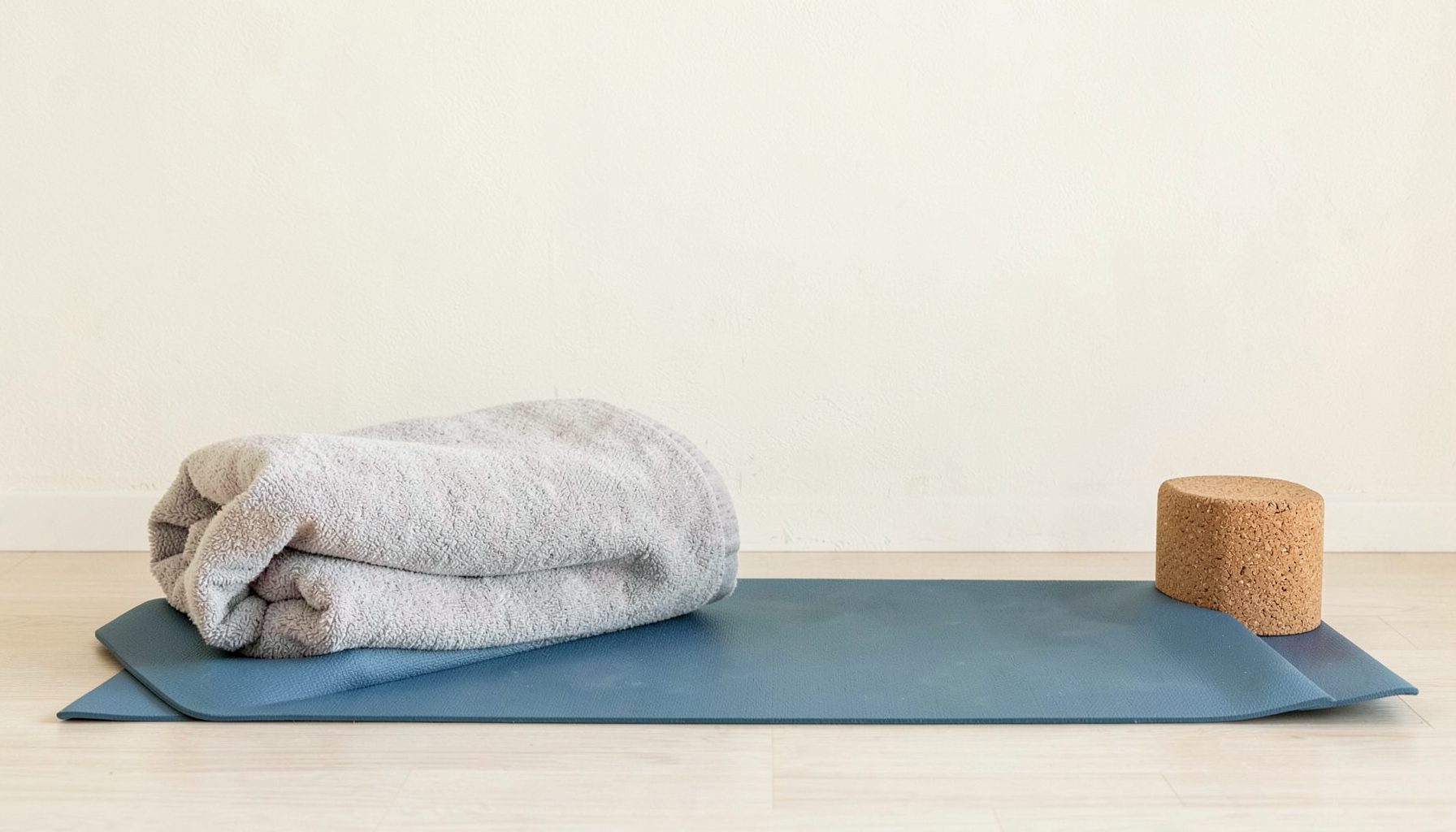
The first step is to choose one action that can become the center of your morning ritual. This anchor might be sitting on the edge of your bed and taking five slow breaths, placing both feet on the floor before reaching for your phone, or rolling out a yoga mat for a brief movement sequence. Pick something that takes two to five minutes at first.
A small anchor gives your routine a clear beginning without creating pressure. If you decide to meditate for twenty minutes, complete a full workout, write three pages, and prepare a nourishing breakfast every morning, one disrupted day can make the whole plan feel broken. A short practice is easier to repeat and provides a natural foundation for adding more later.
Choose an action that meets you where you are. If your mornings are physically stiff, gentle mobility may be more inviting than a vigorous flow. If your thoughts begin racing as soon as you wake, breathwork may offer a steadier entry point. The best starting habit is the one you can imagine doing on a tired Tuesday.
Connect The Practice To Daily Life
A ritual becomes easier to remember when it follows something you already do. This is sometimes called habit stacking: attach a new practice to brushing your teeth, turning on the kettle, feeding a pet, or opening the curtains. The existing habit acts as a reminder, so you do not need to rely on willpower alone.
You can prepare the environment the evening before. Place a cushion beside the bed, leave your journal and pen on the kitchen table, or set out comfortable clothes for morning movement. Reduce the number of decisions between waking and beginning. A welcoming space can gently guide you toward your intention before notifications and responsibilities take over.
It also helps to define what “done” means. For a breath-centered ritual, completion might mean ten conscious breaths. For yoga, it might be three standing poses or one slow round of movement. A clear minimum protects the habit from becoming vague, while an optional extension gives you space to continue when your energy is available.
Match The Ritual To Your Energy
A sustainable practice has more than one version. Your body and mind will not feel the same every morning, and a routine that expects identical energy each day can quickly become restrictive. Create a few pathways: a full version for spacious mornings, a shorter version for busy days, and a restorative option for times when you need quiet support.
| Morning energy | Suggested practice | Approximate time | Intention |
|---|---|---|---|
| Low | Seated breathing and gentle neck movements | 3–5 minutes | Settle and listen |
| Steady | Short yoga sequence with mindful transitions | 10–15 minutes | Wake the body gradually |
| Open | Yoga, meditation, and journaling | 20–30 minutes | Create spacious focus |
| Tense | Supported child’s pose and extended exhalations | 5–10 minutes | Soften pressure |
| Rushed | Three breaths and one clear intention | 1–2 minutes | Preserve continuity |
A low-energy version is not a lesser practice. It is a way of maintaining connection when conditions are different. You might place one hand on your chest, notice the breath, and move through a few comfortable stretches without trying to achieve a particular shape. If sitting for long periods contributes to tight hips, these gentle hip openers can offer useful ideas for a simple mobility sequence.
Let your practice respond to your actual state rather than an imagined ideal morning. Some days may call for energizing movement, while others may benefit from stillness and longer exhalations. This flexibility makes the ritual more compassionate and helps it remain relevant over time.
Make Mindfulness Practical
Mindfulness does not require a silent room or an empty mind. It means paying attention to what is happening now with enough kindness to notice rather than immediately judge. Morning activities can become mindful when you slow down and engage your senses.
During a yoga sequence, feel the contact between your feet and the floor. Notice the temperature of the air, the rhythm of your breathing, and areas that feel open or guarded. During tea or coffee preparation, listen to the water and observe the movement of your hands. These small details can turn a familiar routine into a deliberate transition.
A simple intention can give your practice direction. Instead of setting a demanding goal such as being productive all day, choose a quality you would like to carry with you: patience, steadiness, curiosity, or self-respect. Repeat the word silently during your final breath or write it at the top of a page. The intention is a reminder, not a standard you must meet perfectly.
Remove Pressure From Consistency
Many people abandon a routine because they treat consistency as an unbroken streak. Missing a morning then becomes evidence that the plan has failed. A more durable approach is to measure return rather than perfection. The practice is still working when you come back after a busy day, a poor night’s sleep, or a period of travel.
Keep the ritual visible and easy to restart. A small calendar mark, a note in your phone, or a journal entry can help you notice patterns without turning the practice into a performance. Track how the ritual affects your mood, concentration, breathing, or physical comfort rather than recording only whether you completed every step.
It may help to establish a weekly rhythm instead of a rigid daily demand. For example, you could practice a longer sequence on three mornings, use a five-minute version on two others, and allow the remaining days to unfold naturally. This creates structure while respecting work schedules, family responsibilities, changing seasons, and the body’s need for rest.
Build A Ritual You Enjoy Returning To
Enjoyment is a practical part of habit formation. Choose music, silence, natural light, a favorite blanket, or a comfortable scent if these details make the practice feel inviting. You might finish with a nourishing breakfast, a few lines of reflective writing, or time near a window. The ritual should feel like care rather than another item competing for attention.
Try combining practices that support different parts of your wellbeing. A short sequence of mindful movement can wake the body, breathwork can steady the nervous system, and meditation can create a little mental space. You do not need to include every element every morning. Think of them as a small collection of tools that you can select according to your needs.
Review the ritual after a week or two. Notice which parts feel natural, which steps create friction, and whether the timing is realistic. If you repeatedly skip a ten-minute practice, shorten it to three minutes or move it to a different point in the morning. Adjusting the design is a sign of awareness, not a lack of discipline.
Simple Ways To Keep It Going
A morning ritual works best when it is specific, forgiving, and connected to your life. Use these reminders to keep the practice approachable:
- Start with one repeatable action before adding extra steps.
- Prepare your mat, cushion, journal, or clothing the night before.
- Create full, short, and restorative versions for different energy levels.
- Use a gentle cue such as a breath, sensation, or chosen word to return to the present.
- Treat missed days as opportunities to begin again, not reasons to quit.
The deeper value of a morning routine is not the number of poses completed or the length of time spent meditating. It is the relationship you develop with yourself when you pause, notice what you need, and respond with care. A few consistent minutes can become a dependable space for movement, reflection, and self-compassion.
Begin tomorrow with the smallest version that feels genuinely possible. Sit, breathe, stretch, or write one sentence, then allow the practice to grow at its own pace. Explore the gentle resources, classes, and reflections at Camille Dodson Yoga to support a morning rhythm that feels grounded, welcoming, and sustainable.