


Shaping a yoga practice that moves with your energy
Energy is not a fixed thing. It rises after a strong flat white and a walk along the esplanade, dips during a long meeting in a Brisbane high-rise, and surges again unexpectedly on a Sunday morning in a Fitzroy park. A yoga practice built on a single shape or a fixed duration tends to fight those rhythms rather than work with them. The most sustainable personal practice is one that knows how to change shape as quickly as your nervous system does.
The intention here is not to add more to your day, but to make whatever you already do feel like a better conversation with your body. Whether you have five minutes between school pickups in Adelaide or an hour to yourself in a Perth studio, the practice can meet you where you are. Below is a way of thinking about energy across a single day, across the Australian seasons, and across the longer cycles of life, with practical shapes you can return to whenever your body calls for something different.
| Energy state | How it tends to feel | Practice shape | Best window in the day |
|---|---|---|---|
| Low or depleted | Heavy limbs, foggy head, quiet mood | Restorative, supported reclining, slow breath | Late evening, post-work |
| Steady and calm | Settled, clear, neither buzzy nor flat | Mindful flow, longer holds, breath-led movement | Mid-morning, after a movement break |
| Bright and alert | Light, eager, sometimes restless | Dynamic flow, standing balances, gentle heat | Early morning, sunset hour |
| Scattered or anxious | Racing thoughts, tight chest, shallow breath | Grounding, hip opening, slow exhales | Late afternoon, after screens |
| Tired but restless | Wired-tired, hard to settle | Legs up the wall, forward folds, restorative | Bedtime, post-dinner |
Why energy levels shift throughout the day and season
Human energy follows a circadian tide. Cortisol rises before waking, dips after lunch, lifts again mid-afternoon, then falls as melatonin takes over in the evening. On top of that biology sits the texture of an ordinary Australian day. A December morning in Sydney can begin cool and turn humid by eleven; a July afternoon in Melbourne can drop light before the children finish after-school sport. Heat, daylight hours and social pace all leave a mark on how much fuel you feel you have.
The mistake many practitioners make is to choose one session length and stick to it through thick and thin. A forty-minute strong flow at six in the morning in summer can leave you wrecked by ten. The same sequence in winter at the same hour might feel grounding. Reading the day, then choosing the practice to match, is closer to how yoga has always been taught in lineage traditions. The poses serve the practitioner, not the other way around.
Reading your body's signals before you roll out the mat
A short check-in is the most useful habit you can build. Sit for one minute, or simply stand still, and notice three things. First, the quality of your breath: is it shallow and high in the chest, or slow and low in the belly. Second, the weight in your legs: do they feel anchored or jittery. Third, the mood: are you drawn outwards toward activity or inwards toward stillness. Those three answers are usually enough to choose between a flowing sequence and a reclining one.
Some days the answer is obvious. After a long-haul flight into Tullamarine, your body wants nothing more than legs up the wall and a folded blanket under the hips. Other days, after a quiet weekend at home in the Adelaide Hills, you might feel ready for a stronger sequence with standing balances. The practice begins to feel like a response rather than a chore the moment you bring this pause to the front of the session.
Morning energy and the practice that welcomes it
Early morning in Australia can mean five-thirty sunrise in Hobart in December or seven in Sydney in July. Whichever end of the country you sit on, the first hour after waking tends to carry a particular flavour: the body is stiff, the mind is quiet, and a little movement goes a long way. This is the window where a slow, sun-salutation-led practice shines. Three to five rounds of a modified salute, with longer holds in lunges and time spent in cobra or sphinx, prepares the spine for the day without burning through the reserves you need for school drop-off or the commute to an office in the CBD.
If the morning feels brittle, shorten the rounds and stay low to the ground. Cat-cow, thread the needle, a low lunge with both knees down, and a short savasana can be enough. Some practitioners in coastal suburbs like Bondi or Cottesloe find that a brief outdoor session, even ten minutes on the sand or the grass, sets the tone differently from a session on a mat at home. Both count. The point is to meet the morning where it actually is, rather than where an idealised version of the morning lives.
Midday reset and the practice that grounds you
By the middle of the day, energy has often dipped below the line of usefulness. A lunch break in a high-rise in Melbourne or Brisbane is rarely long enough for a full flow, and the body usually wants something short and grounding rather than uplifting. Two minutes of standing forward fold with bent knees, a wide-legged side bend, and a slow twist can be enough to bring attention back to the spine and the breath. Standing poses with a chair for support work well in office clothes, and the practice can be hidden from colleagues if needed.
The midday session is also a place to use breath as the main event. Four rounds of box breath, then a slow exhale twice as long as the inhale, has been shown in small studies at Australian universities to lower self-reported stress within minutes. Pair that breath with three rounds of mountain pose and one or two gentle side bends, and you have a reset that takes less time than a coffee order. The practice here is not about improving flexibility. It is about arriving back into yourself before the afternoon begins.
Evening wind-down and the practice that releases you
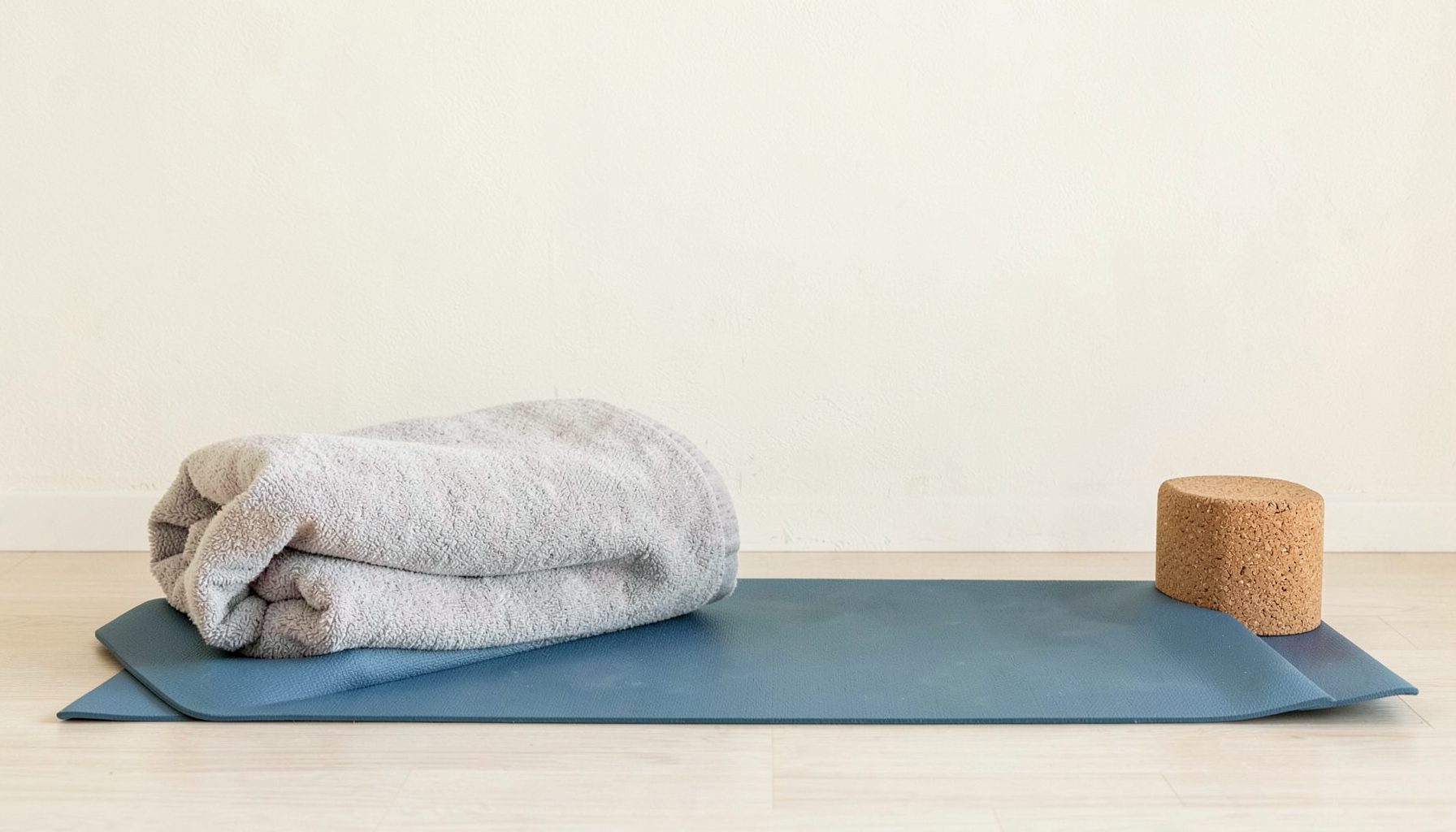
Evening energy in Australia varies wildly by latitude. In Darwin, sunset can come as late as seven-thirty in summer; in Hobart, it can fall before five in winter. Either way, the body needs a soft transition out of the working day, especially after long hours of sitting at a screen. A supported reclining practice is often the most generous choice. Bolster under the back for a gentle chest opener, legs up the chair or the wall, and a long savasana with a folded blanket over the hips. The shapes do not need to be complicated; the point is to give the nervous system permission to settle.
There are also evenings when the body feels tired but the mind is still turning. A short sequence of forward folds, slow cat-cow, and a child's pose with the arms reaching long can discharge some of that wired energy without firing the system up further. When the moon is full and the light through the window in Bondi or Fremantle is unusually bright, a sequence such as a gentle yoga flow for the full moon can be a beautiful way to move with that particular kind of late-night brightness.
Adapting practice to hormonal, seasonal and life rhythms
Beyond the daily tide sit longer rhythms. The menstrual cycle, the Australian seasons, and the broader arcs of life all influence how much energy is available for practice. In the late luteal phase, the body often wants more rest and more warmth; supported reclining shapes and slower breath ratios tend to feel kind. In the follicular and ovulatory phases, dynamic standing work often feels welcome. Listening to these shifts is not a restriction. It is a way of working with the body rather than against it.
The Australian calendar adds its own layer. Summer brings heat, long evenings, and often a social busyness that pulls practice out of the schedule. Winter brings shorter days, cooler studios, and a desire for slower, more internal work. Some practitioners in Adelaide or Perth find that the same year-round sequence becomes unbearable by February and dull by August. Rotating between a few anchor sequences through the year keeps the practice fresh. Think of it as a wardrobe for the body, with summer, winter and shoulder-season options.
Building a sustainable library of practices at home
A useful home library is small and varied. Three to five anchor sequences, each between ten and forty-five minutes, cover most weeks. One sequence for bright mornings, one for midday resets, one for evening wind-down, and one for the heavier days when only restorative work will do. The fifth can be a personal favourite you return to whenever the body asks for something familiar. Print them, bookmark them, or keep them in a single folder on the phone so the choosing is quick.
Over time, you will begin to notice which sequence your body asks for in which conditions. The library becomes a kind of map, and the practice becomes a conversation rather than a rule. You might still practise at the same time most days, but the shape of that practice will change with the season, the cycle, the work, and the weather. That flexibility is what keeps a practice alive for years rather than months.
Recommendations for keeping the practice responsive
- Keep a short note in your phone after each session. Two words are enough. "Tired, restorative" or "Bright, standing balances" teaches you what your body actually asks for.
- Rotate anchor sequences at the solstices. A small change twice a year keeps the library fresh without overwhelming you with new material.
- Have a five-minute fallback for the days when the planned session simply will not happen. Two rounds of cat-cow and a child's pose are still a practice.
- Match the room to the sequence. Dim the lights for evening restorative work, open the windows for morning flow, and let the season set the temperature.
- Revisit the check-in at the front of each session. The pause itself is half the practice.
When the next session begins, before reaching for a familiar playlist or a default sequence, sit for one minute and ask which energy is actually present. That single act of listening is the entire foundation of a practice that changes with you.