
A Gentle Full Moon Yoga Flow for Rest and Reflection
The full moon has a way of making an ordinary evening feel a little more spacious. Its light can draw attention to the sky, the changing season and the rhythm of your own energy. You do not need an elaborate ceremony or advanced yoga experience to mark it. A quiet, unhurried practice can be enough.
This gentle full moon yoga flow is designed for evenings when you want to soften rather than strive. It combines grounding movement, slow transitions, breathwork and a few minutes of stillness. The sequence can take 20 to 30 minutes, or you can shorten it to fit the time and energy you have available.
Yoga does not need to follow the lunar calendar to be meaningful. The full moon offers a useful prompt to pause, notice what is present and release some of the pressure to keep pushing. In Australia, that might mean practising on a cool Melbourne evening, a warm Brisbane balcony or beside an open window in Sydney while the neighbourhood settles.
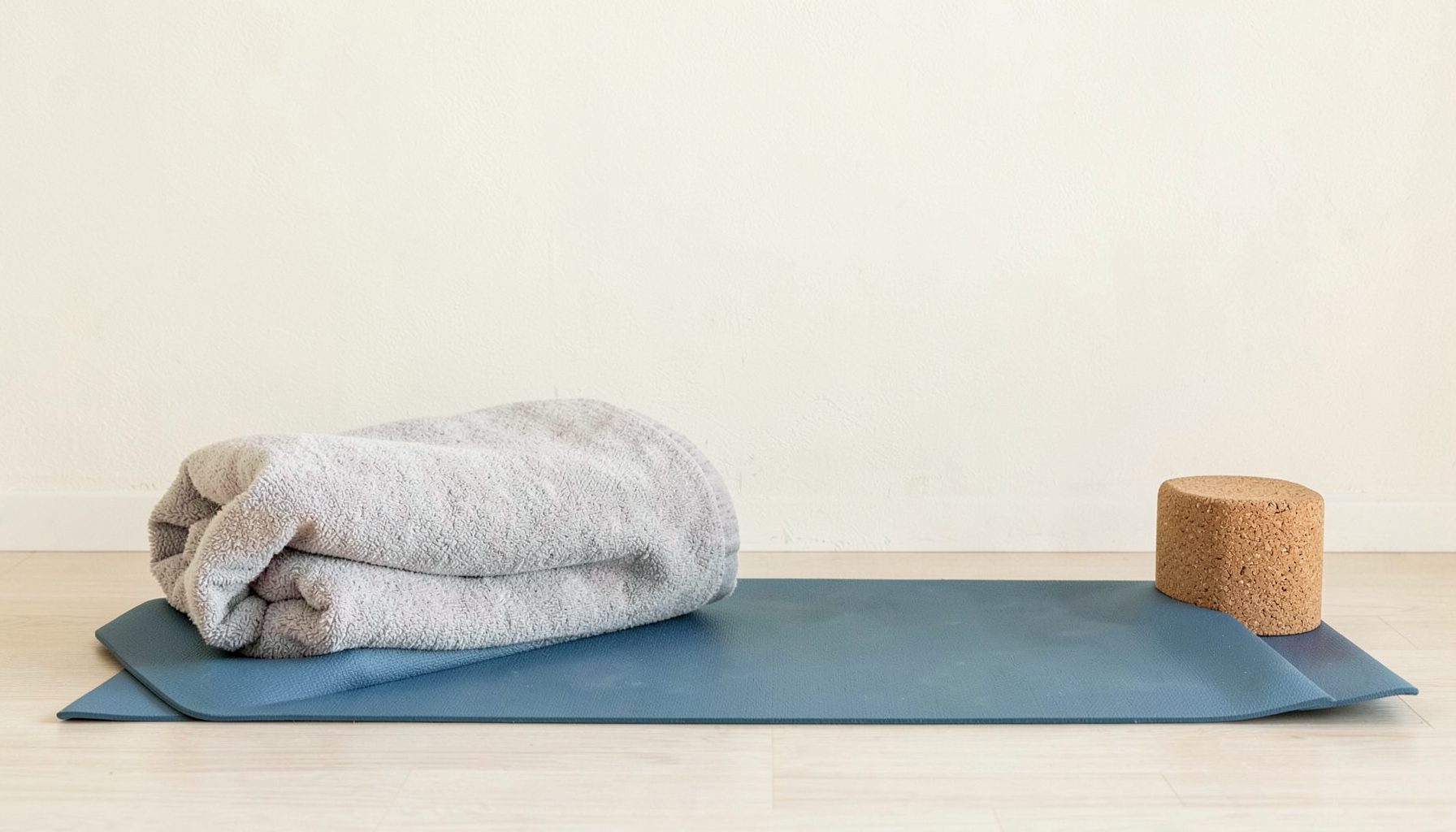
Let the practice be comfortable and adaptable. A folded towel can replace a yoga bolster, a wall can support balance, and knees may remain bent whenever that feels kinder. The purpose is to create a sustainable personal ritual that leaves you feeling more connected to your body, breath and inner landscape.
Creating a calm setting
Choose a place where you can move without needing to rearrange your whole life. A living-room rug, shaded deck or patch of grass can work beautifully. If you are practising outdoors, check the temperature and surface first; Australian evenings can shift quickly, especially in southern states. In warmer areas, practise away from direct heat and keep water nearby.
You might dim the lights, place a blanket within reach and open a window to notice the night air. A small ritual can help signal that this time is different from the rest of the day: make tea, put your phone on silent or take a moment to look at the moon. There is no need to buy special equipment or follow a prescribed ceremony.
Begin seated or lying down. Let your hands rest on your thighs or lower ribs and notice the natural rhythm of your breathing. Rather than trying to empty your mind, feel the contact between your body and the floor. Allow sounds, thoughts and sensations to come and go without turning each one into a task.
Grounding through breath and movement
Start in a comfortable cross-legged seat, kneeling position or chair. Inhale through the nose if that feels easy, then exhale slowly without forcing the breath. Continue for six to eight rounds, allowing the exhalation to be slightly longer than the inhalation. If nasal breathing feels restricted, breathe naturally and keep the emphasis on ease.
Add gentle side bends. Place your left hand beside you, reach your right arm overhead and lean slightly to the left. Keep both sitting bones as grounded as possible, then return to centre and change sides. Move slowly enough to notice the ribs expanding as you inhale and softening as you exhale. This is a stretch, not a test of range.
Come onto hands and knees for a few rounds of cat-cow. As you inhale, lengthen the spine and broaden the chest; as you exhale, round gently through the back and let the head follow the movement. Keep the action small if your wrists, neck or lower back need care. You can also practise the same spinal rhythm seated in a chair.
From all fours, move into child’s pose with knees together or wide, depending on what feels comfortable. Rest your forehead on stacked hands, a cushion or a block. Stay for five to ten breaths and let the back body widen. This pause helps establish the slower pace that will carry through the rest of the sequence.
A steady standing sequence
Return to hands and knees, tuck your toes and lift into downward-facing dog, or choose puppy pose with the knees on the floor. The shape does not need to look polished. Bend one knee and then the other, shift your weight gently and find enough length through the spine without pressing the chest towards the thighs.
Walk your feet towards your hands and fold over bent knees. Let your head be heavy, then slowly roll up to standing. Stand in mountain pose with feet comfortably apart and arms by your sides. Feel the soles of your feet and notice whether you are gripping your toes. Softening unnecessary effort is part of the practice.
On an inhale, sweep the arms overhead. On an exhale, fold forward. Inhale to lengthen halfway, then step the left foot back into a low lunge. Lower the back knee and place your hands on blocks, books or the floor. Keep the front knee tracking towards the second toe and avoid sinking deeper simply because you can. Take three slow breaths, then step forward and repeat with the right leg.
From standing, rise into a supported crescent shape by bringing the left foot back and keeping the back heel lifted. You can lower the back knee at any point. Reach the arms up only if the shoulders are relaxed; otherwise, place hands at the heart or on the hips. Feel the connection between the back heel, the crown of the head and the steady rhythm of the breath.
Releasing tension with supported shapes
After the standing sequence, lower to the floor for a gentle bridge. Lie on your back with knees bent and feet resting about hip-width apart. Press through the feet and lift the hips only a little, then lower slowly. Repeat three or four times, moving with the breath. For a longer hold, place a block on its lowest setting beneath the sacrum, but remove it if there is pressure or discomfort.
Follow with a reclining twist. Draw the knees towards the chest, then let them move to the left while the arms rest in a comfortable position. Keep both shoulders as relaxed as possible and turn the head only if the neck feels free. After several breaths, return to centre and change sides. A twist should feel spacious rather than intense.
For a supported heart-opening option, place a rolled blanket lengthways beneath the spine and rest the head at the same height as the body. Let the arms open softly, or place one hand on the belly and one on the chest. This can be particularly soothing after a busy day, though lying flat without props is just as valuable.
If you have joint pain, recent surgery, osteoporosis, are pregnant or have another health concern, adapt the sequence with guidance from an appropriately qualified health professional. Gentle yoga still involves movement, and comfort is a more useful measure than reaching a particular shape.
Making space for reflection
Move into a seated position or remain lying down. Let the eyes close, or soften your gaze towards the floor. Notice three physical sensations, such as warmth in the hands, weight in the legs or movement around the ribs. Then notice two sounds and one quality of the breath. This simple sensory practice brings attention out of planning and into the present moment.
You may like to reflect on what has been taking up your energy recently. Instead of asking for a perfect answer, use a quiet phrase such as, “What can I meet with more compassion?” or, “What am I ready to set down for tonight?” The response may be a feeling rather than a sentence. There is no requirement to resolve anything during the practice.
A full moon ritual can include writing, but journalling is optional. If you do write, keep it brief: one thing you are grateful for, one thing you are releasing and one quality you would like to carry into the coming weeks. This format keeps reflection grounded and avoids turning rest into another productivity exercise.
The lunar cycle can be a helpful metaphor, but it should not dictate your wellbeing. Some nights will bring energy and clarity; others will bring tiredness or uncertainty. In the Australian yoga community, where classes range from studio sessions to beach practices and online offerings, the most useful tradition is often the one you can return to without pressure.
Resting in stillness
Set up for final rest with knees supported by a cushion or a folded blanket. Let the feet fall open and rest the arms wherever the shoulders can soften. If the room is cool, cover yourself; if the evening is warm, choose light layers and make sure you can remain comfortable without needing to adjust constantly.
Stay for five to ten minutes. Feel the breath move without directing it. When thoughts arise, notice them and return to the sensation of being held by the floor. The full moon may be visible through a window, or it may be hidden by cloud; the practice remains complete either way.
If you are curious about extending this ritual into a longer experience, it can help to understand the pace and structure of a retreat before booking one. This realistic retreat guide offers a grounded sense of what retreats may involve, including the balance between scheduled practice and personal downtime.
To close, roll onto one side and pause before sitting up. Bring your hands together at the heart or rest them in your lap. Take one easy breath and acknowledge the effort it took to stop, listen and care for yourself. Afterward, you might step outside to see the moon, make a cup of tea or simply return to bed.
A gentle full moon practice works best when it fits real life. It can be a complete sequence, three minutes of breathing or a quiet rest with one hand on the belly. For tonight, choose a clear patch of floor, move within a comfortable range and finish with enough time to carry that steadiness into the next part of your evening.