
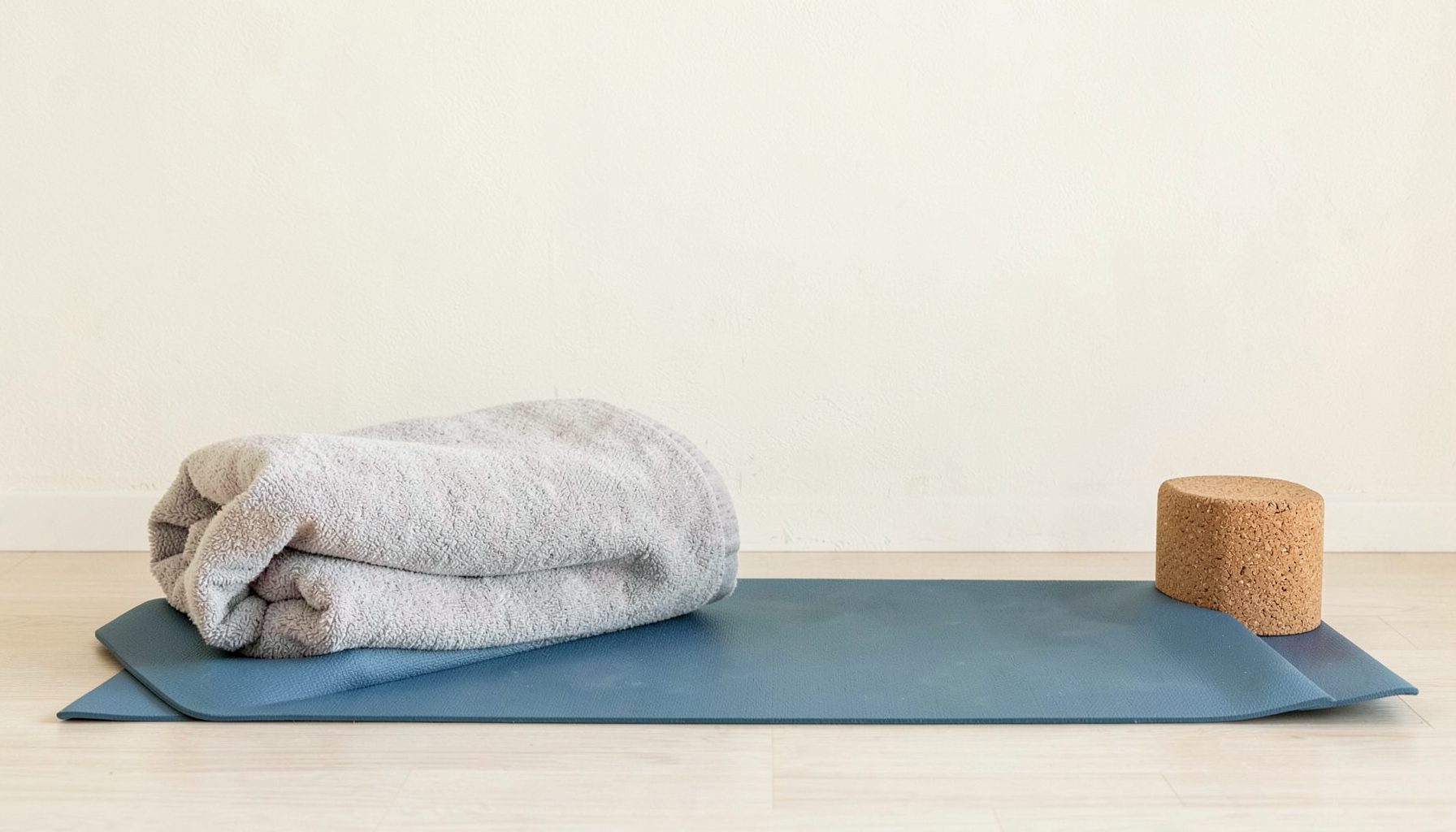




Awarding yourself permission to rest through lazy yoga
Yoga is often pictured as a sequence of purposeful shapes: a strong plank, a deep forward fold, a balanced tree pose. Yet a sustainable practice has room for something quieter. Lazy yoga invites you to soften your effort, listen inwardly, and discover that rest can be a meaningful form of participation rather than a reward you must earn.
This approach does not mean abandoning movement or treating your body carelessly. It means choosing gentle yoga, restorative postures, conscious breathing, and mindful stillness when your energy is low. The practice meets you where you are instead of asking you to perform wellness.
Many people carry an invisible rule that says they should keep going until every task is complete. That rule can make lying down feel unproductive and taking a pause feel undeserved. By awarding yourself permission to rest, you begin to question that story and create a kinder relationship with your body.
What lazy yoga really means
Lazy yoga is an informal name for a low-effort practice that prioritizes comfort, awareness, and recovery. You might remain in one supported posture for several minutes, move slowly between shapes, or practice entirely from bed or a sofa. The focus is less on achieving a particular form and more on noticing what helps you feel settled.
This can include restorative yoga with blankets and cushions, yin-inspired floor poses, somatic movement, breathwork, yoga nidra, or a few unhurried stretches. It can also mean doing less than you planned. Three mindful breaths may be enough on a demanding day. A gentle neck roll may be the right practice after poor sleep.
The word “lazy” can sound critical because many of us have been taught to associate rest with laziness. Reclaiming it gives the word a different purpose. Here, lazy yoga is deliberate ease: a choice to conserve energy, reduce pressure, and respect the signals your nervous system is sending.
Why rest can feel so difficult
Rest is a biological need, but it can trigger emotional discomfort. When the day becomes quiet, unfinished work, self-judgment, or anxiety may become more noticeable. Some people also worry that pausing will make them fall behind. The body may be on the floor while the mind continues rushing through tomorrow’s obligations.
A gentle yoga practice offers a bridge into stillness. Instead of demanding that you relax immediately, it gives your attention a simple home: the sensation of your back against the ground, the movement of your ribs, or the weight of your hands. These details can help shift awareness away from mental overactivity without forcing calm.
Rest does not have to be justified by exhaustion, illness, or exceptional circumstances. You are allowed to pause before you reach burnout. In fact, regular restorative moments can make it easier to notice tension earlier, respond to stress with more choice, and maintain energy for the activities that matter to you.
Choosing the right kind of gentle practice
There is no single correct way to practice lazy yoga. Your choice can depend on your energy, physical comfort, available time, and emotional state. A few minutes of conscious breathing may be more supportive than a longer sequence when you feel overwhelmed. On another day, slow mobility may help you reconnect with your body.
| Your current state | Supportive practice | Helpful emphasis |
|---|---|---|
| Mentally busy | Legs supported on a chair or constructive rest | Longer exhales and steady attention |
| Physically tired | Reclined poses with blankets | Comfort, warmth, and minimal effort |
| Stiff from sitting | Slow cat-cow, shoulder rolls, or hip circles | Easeful range rather than intensity |
| Emotionally tender | Side-lying rest or a supported child’s pose | Choice, boundaries, and self-compassion |
| Unable to get on the floor | Seated breathing and gentle hand or foot movements | Grounding through simple sensations |
Props can make a major difference. A folded blanket under the knees may release the lower back. A cushion beneath the head can reduce strain in the neck. A wall, chair, or bed can provide support when balance or fatigue makes standing poses unsuitable. Using assistance is not a sign that you are doing less yoga; it is a way of making the practice more responsive.
Let comfort guide you, while keeping awareness present. If a pose creates sharp pain, numbness, dizziness, or strain, come out slowly and choose another position. Gentle yoga should feel spacious enough for breathing and personal choice.
Building a restful ritual that lasts
A rest practice becomes easier when it is attached to an existing part of the day. You might lie down after closing your laptop, take three breaths before lunch, or do a supported forward fold while waiting for water to boil. Small, repeatable moments are often more sustainable than ambitious routines that require perfect motivation.
If mornings tend to feel rushed, a simple morning ritual guide can help you think about consistency without turning self-care into another rigid obligation. The aim is to create a gentle invitation, not a checklist you have failed if you miss.
Prepare your environment so rest requires fewer decisions. Keep a blanket near your mat, place a cushion where you can reach it, and silence notifications for a short period. Dim lighting or a familiar piece of quiet music may signal to your mind that this time has a different pace.
Start with five minutes. Set a timer if you are likely to keep checking the clock, then allow yourself to stop when it rings. You can extend the practice when it feels nourishing, but ending after a short pause still counts. The value lies in practicing permission, not accumulating minutes.
Releasing productivity from the body
Productivity can become a physical habit. You may tighten your jaw while answering messages, hold your breath while concentrating, or brace your shoulders as if the body must remain ready for the next demand. Lazy yoga brings attention to these patterns without treating them as personal failures.
Try beginning with a body scan. Notice your forehead, eyes, mouth, throat, shoulders, belly, hands, and legs. At each area, ask whether you can soften by five percent. This small instruction is often more approachable than telling yourself to relax completely. The body may respond gradually when it does not feel commanded.
Breathwork can support the same process. Let the inhale arrive naturally, then allow the exhale to lengthen slightly, without forcing a deep breath. You could count four on the inhale and six on the exhale, or simply feel the movement of the abdomen. If counting creates pressure, release the numbers and return to ordinary breathing.
Self-compassion is central here. You are not trying to become a perfectly peaceful person through rest. You are practicing how to stay close to yourself during ordinary discomfort. Some sessions will feel calm, while others will contain restlessness or sadness. Both are valid experiences of slowing down.
Making lazy yoga accessible in daily life
A restful practice does not need a dedicated studio, expensive clothing, or a large block of uninterrupted time. You can practice in work clothes, beside a child’s play area, or in the corner of a small bedroom. Accessibility begins with removing unnecessary barriers and allowing the practice to adapt to real circumstances.
Movement can happen in small doses. While seated, circle your wrists, lift and lower your heels, or turn your head gently from side to side. In bed, notice the contact between your body and the mattress, stretch your fingers, and take a comfortable breath. These modest actions can provide connection without asking for strenuous effort.
You can also create a menu of practices for different energy levels:
- When you have one minute, pause and take three unforced breaths.
- When you have five minutes, lie down with your lower legs on a chair.
- When you have ten minutes, explore slow spinal, shoulder, and hip movements.
- When you have twenty minutes, combine supported postures with a body scan.
- When you feel depleted, choose stillness, hydration, warmth, and an earlier bedtime instead of movement.
This menu protects you from the all-or-nothing mindset. The purpose is not to complete the most impressive option. It is to identify the smallest supportive action available and trust that it has value.
Let rest become part of your practice
Permission to rest grows through repetition. Each time you choose a restorative pose before reaching complete exhaustion, you teach yourself that care can be preventive. Each time you stop when your body has had enough, you strengthen your ability to listen. Each time you replace self-criticism with patience, you make the practice more sustainable.
Over time, lazy yoga may change how you define progress. Progress could mean recognizing tension sooner, sleeping more comfortably, recovering from stress with greater ease, or feeling less at war with your own limits. These changes may be subtle, but they can reshape the way you move through work, relationships, and everyday responsibilities.
Set aside a small space for your next pause today. Gather a blanket, choose a supported position, and remain there for five mindful minutes without needing to achieve anything. Explore Camille Dodson Yoga’s classes, retreats, reflections, and downloadable resources when you are ready to deepen a gentle practice that makes room for both movement and rest.