A Simple Sequence for Opening the Side Body
The side body is the long, often overlooked area between the outer hip and the armpit. It includes the ribs, intercostal muscles, obliques, latissimus dorsi and connective tissues that help you bend, rotate and breathe with ease. When this region feels tight, the breath may seem shallow and everyday movements can feel compressed.
A gentle side stretch does not need to be dramatic to be useful. This sequence is designed for a quiet morning, a pause between meetings or an evening on the living-room floor. Move slowly, stay curious and let your breath guide the range rather than forcing yourself towards a deeper shape.
Why The Side Body Needs Attention
Many daily positions shorten one side of the waist for long periods. You might lean towards a laptop, carry a bag on the same shoulder, curl around a phone or sit with one hip slightly higher than the other. Long commutes in Sydney or Melbourne can add more hours of stillness, while working from home may mean spending much of the day at a kitchen table.
The side ribs also play an important role in breathing. As you inhale, the rib cage expands in several directions, including sideways and towards the back. Creating space around the ribs can make the breath feel less restricted, although stretching alone is not a cure for pain or breathing difficulties. If you have an injury, osteoporosis, a recent operation or a condition affecting your ribs or spine, seek appropriate medical guidance before practising.
Think of this sequence as an invitation to notice rather than correct your body. One side may feel more open, more stable or more coordinated than the other. That difference is ordinary. The aim is to build a sustainable personal practice based on attention and self-respect, as explored in a personal yoga practice, rather than chasing a symmetrical shape.
Begin With Breath And Gentle Movement
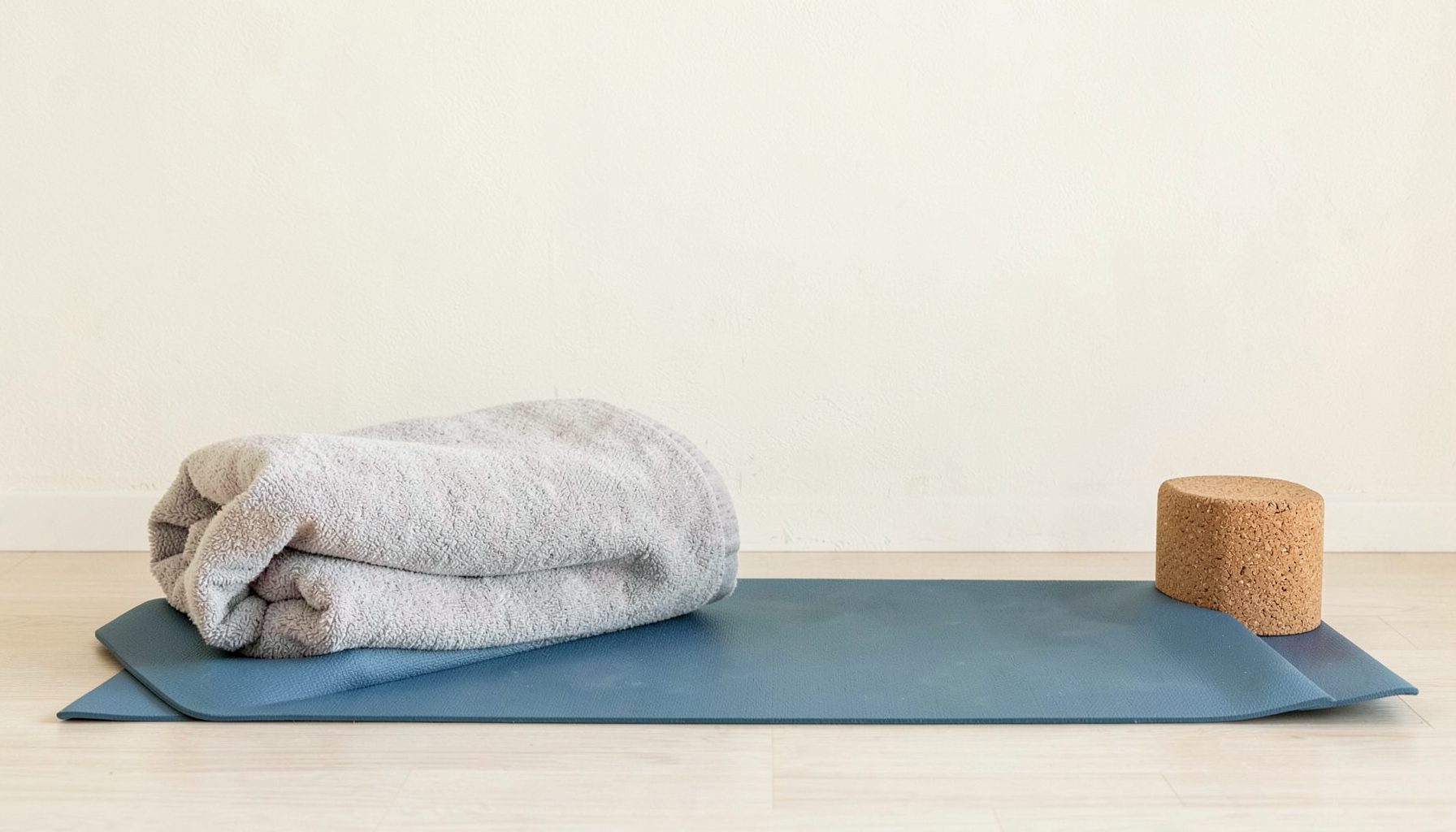
Find a comfortable seat on a folded blanket, cushion or chair. Let your feet rest on the floor and allow your hands to settle on your lower ribs. Take five easy breaths without trying to make them larger. Notice whether the ribs move more freely on one side, and whether your shoulders lift as you inhale.
On your next inhalation, sweep your arms out and up if that feels comfortable. As you exhale, lower them slowly. Repeat three times, keeping your neck relaxed. Then interlace your fingers, turn your palms towards the ceiling and reach upwards without thrusting your ribs forward. Stay for two or three breaths, imagining space between each rib.
Release your hands and add a small seated side bend. Place your left hand beside your left hip or on a yoga block. Inhale and reach your right arm upwards; exhale as you lean gently to the left. Keep both sitting bones grounded as much as possible. You are creating length through the right side waist, not collapsing into the left.
Stay for three to five breaths, then return to centre and change sides. The movement should be smooth and spacious. If your shoulder feels pinched, bend your elbow or keep the reaching hand lower. A chair provides excellent support here, especially if you are practising at work or managing balance concerns.
Lengthen Through A Supported Child’s Pose
Come to hands and knees, with your wrists beneath your shoulders and your knees beneath your hips. If kneeling is uncomfortable, place a folded towel beneath your knees or practise the same side reach while seated. Take one slow round of cat and cow, moving with your breath, then return to a neutral spine.
Send your hips towards your heels for child’s pose, widening your knees as needed. Place your forehead on a cushion, bolster or stacked hands so the neck can soften. Walk both hands towards the right side of your mat. You will feel a stretch along the left side of your back, ribs and waist. Keep your left sitting bone moving towards your heel rather than allowing the whole body to drift right.
Breathe into the back and side ribs for five breaths. Each inhalation can create gentle expansion under the left armpit; each exhalation can soften your jaw and shoulders. Walk your hands through centre and over to the left, creating length along the right side body.
This variation is particularly useful after a morning walk through a cool neighbourhood or a long day in air conditioning, when the body can feel held and dry. Do not push the ribs towards the floor. A supported version that allows you to breathe comfortably is more valuable than a deeper position that makes you brace.
Build Stability In A Side Bend
Come up to kneeling and step your right foot forwards, placing it slightly to the right of your right hip. You can keep the back knee down on a blanket. Bring your hands to your pelvis and gently lengthen the tailbone towards the floor. The front knee should track in the same general direction as the toes.
Inhale and lift your left arm. Exhale as you lean to the right, placing your right hand on your thigh, a block or the floor. Reach through the left fingertips and keep the left side of your waist long. Avoid sinking into the supporting shoulder or turning the chest towards the floor. Take three to five breaths, then return upright and repeat on the other side.
For a more supported version, practise beside a wall and place the outer hand against it. You can also keep both hands on your hips and make the movement smaller. This is a side-body stretch with a balance element, so steady your gaze on one point and move at a pace that feels calm.
If you spend weekends gardening, carrying shopping or walking along uneven paths in regional Australia, stability matters as much as flexibility. The pose should help you sense the connection between your feet, pelvis, ribs and breath. Leave out the position if kneeling or stepping forwards causes discomfort, and use the seated version instead.
Add A Standing Reach
Stand with your feet about hip-width apart. Feel all four corners of each foot, soften your knees and let your arms rest by your sides. If standing balance is uncertain, practise next to a wall or with one hand lightly touching a kitchen bench.
Inhale and raise your right arm. Place your left hand on your left hip, or slide it down the outside of your left thigh as you lean slightly left. Keep both feet grounded and imagine your right ribs moving away from your right hip. The shape may be small, especially if you are practising after a hot Australian summer day when fatigue and dehydration can affect concentration.
Stay for three breaths, then return to centre and switch sides. To explore the movement, you can add a slow arc: reach up, lean to the side, return through centre and lower the arm with control. Keep the shoulders away from the ears and avoid gripping the lower back.
This standing version can fit into an ordinary day without a mat. Try it beside your desk, after getting out of the car or while waiting for the kettle to boil. For people who sit for much of the day, these quick chair poses can also offer a practical way to move the ribs, shoulders and spine without changing into activewear.
Finish With A Restful Whole-Body Stretch
Lie on your back with your knees bent and your feet on the floor. Extend your arms out in a relaxed T shape. Walk both feet towards the right side of your mat and allow the knees to drift gently left, creating a soft banana shape through the body. Keep the right shoulder heavy and turn your head only if the neck remains comfortable.
You can cross the right ankle over the left for a stronger sensation, though there is no need to do so. Reach the right arm overhead and extend the leg if that feels easeful. Take five slow breaths, noticing the movement of the right ribs as you inhale. Return to centre slowly, pause for one breath and change sides.
If lying on the floor is not suitable, sit in a chair and make a smaller version by reaching one arm overhead while keeping both feet grounded. You might also lie on your side with a pillow beneath your head. The best variation is the one that permits a quiet breath and a sense of support.
Finish with both knees bent or legs extended, arms resting comfortably. Stay for one or two minutes and observe the after-effects: warmth, spaciousness, steadiness or perhaps very little change. Yoga does not need to produce a strong sensation to be worthwhile. Sometimes the most useful result is simply recognising how you feel before moving into the rest of the day.
Practise this side-body sequence two or three times a week, or use one element as a short reset. In the morning, choose the seated breath and standing reach; after desk work, try child’s pose and the supported kneeling bend; in the evening, finish with the reclining variation. Keep the effort moderate, especially in warm weather, and take water breaks during longer sessions.
For your next practice, place a folded blanket and a chair beside your mat, set a five-minute timer, and complete one gentle round on each side with an unforced breath.