A Sequence for Opening the Side Body and Ribs
The side body is easy to overlook in a yoga practice. We often focus on forward folds, backbends and hamstring length, while the spaces between the ribs receive less attention. Yet the muscles around the ribs, waist, shoulders and upper back help shape every breath and influence how freely the torso moves.
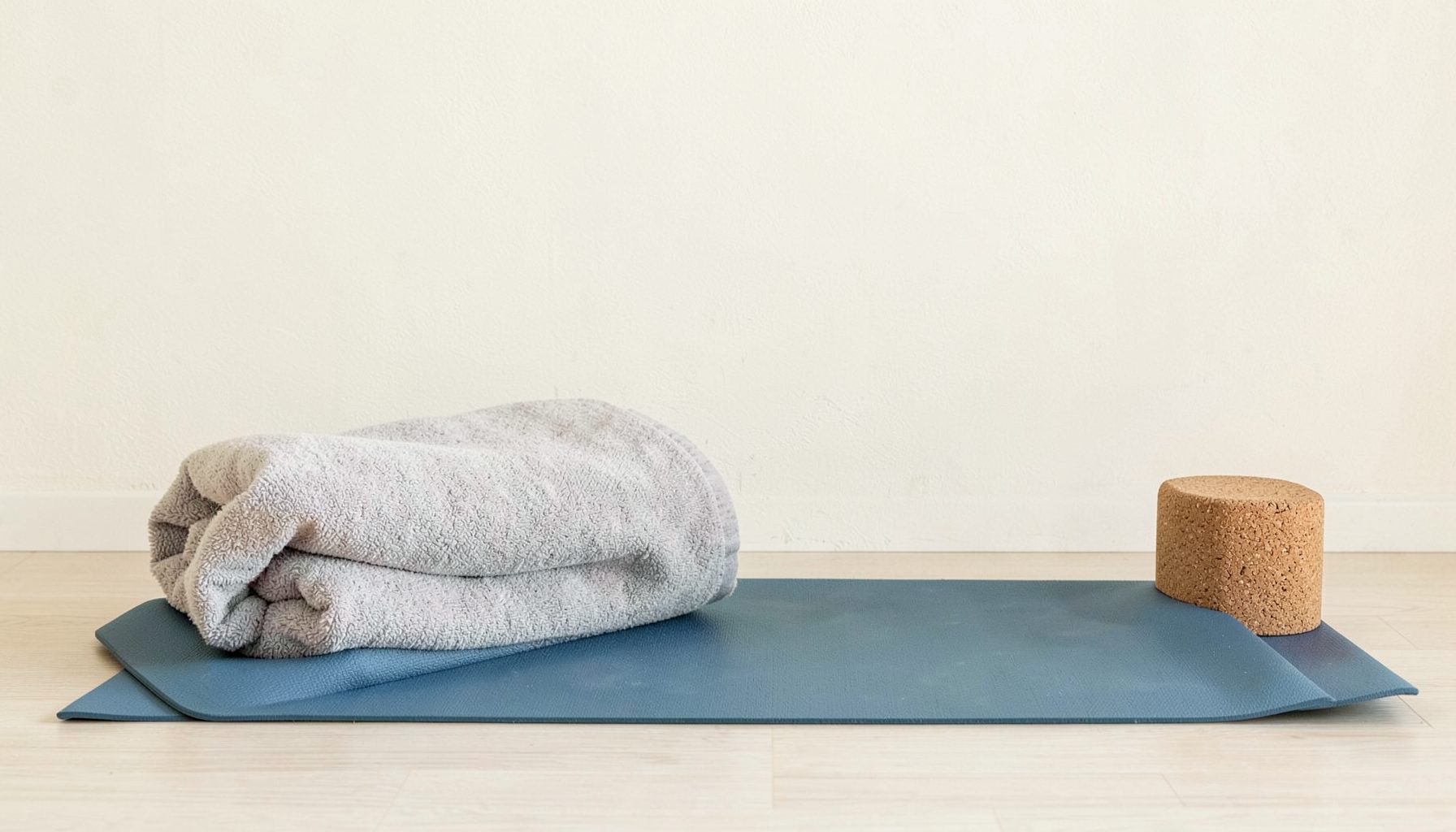
This gentle sequence is designed to create space through the lateral torso without forcing a deep stretch. It may suit a quiet morning, a post-work reset or a slower weekend practice. You will need a mat, a folded blanket and perhaps a cushion or yoga block. Move within a comfortable range, especially if you have an injury or a condition affecting your ribs, shoulders or spine.
| Movement | Main area of focus | Suggested time | Helpful quality |
|---|---|---|---|
| Seated lateral breathing | Lower ribs and waist | 1–2 minutes | Spacious and steady |
| Side-lying rib breath | Back and side ribs | 2–3 minutes | Quiet and restorative |
| Gate Pose | Inner leg and side waist | 5 breaths each side | Grounded and lengthening |
| Thread the Needle | Upper back and rear ribs | 5 breaths each side | Supported and unhurried |
| Kneeling side bend | Whole lateral chain | 5 breaths each side | Long and soft |
| Resting integration | Breath and body awareness | 2–5 minutes | Settled and receptive |
Begin With Breath Awareness
Sit comfortably on a folded blanket, or lie on your back with your knees bent. Place one hand on the side of your lower ribs and the other over your upper chest. Let your jaw soften and allow the back of your neck to feel long. There is no need to inflate the chest or take an unusually large breath.
Notice whether the lower ribs widen towards the sides as you inhale. You may also sense a subtle movement into the back ribs and the area around the waist. As you exhale, allow the ribs to settle without pulling the belly in sharply. Continue for six to eight natural breaths, treating the breath as information rather than a task to perform.
For a more focused variation, lie on your right side with a cushion beneath your head and your knees comfortably bent. Rest your left hand over the left side of your ribs. Breathe towards the hand and imagine the back and side ribs spreading into the mat. This position can make rib movement easier to feel, particularly after a day spent at a desk or behind the wheel.
If you are practising before work in Sydney or Melbourne, two minutes here can be enough to change the tone of the session. In everyday Australian speech, “no worries” is often used to keep things relaxed; bring that same attitude to the breath. There is no need to get it perfect.
Lengthen Through Gate Pose
Come to kneeling and extend your right leg out to the side, with the foot either flat or turned slightly upwards. Keep the left knee under the left hip and place your right hand on your thigh or on a block. Reach the left arm overhead, then lean gently towards the right without collapsing into the waist.
Think of lengthening from the left knee through the left fingertips. The stretch may travel through the inner right leg, left waist, outer ribs and the underside of the left arm. Keep both sides of the torso long enough for the breath to move freely. Stay for four to six breaths, then return slowly and change sides.
Gate Pose works well when the intention is to open the side body and ribs because it combines grounding with a clear lateral line. It can be tempting to reach further by dropping the shoulder or pushing the hip out. Instead, keep the movement modest and let the breath create space from within.
For a stronger but still accessible option, place the extended foot against a wall or keep the toes pointing forwards. A folded blanket beneath the kneeling knee can make the pose more comfortable on hard floors, whether you are practising in a tiled Brisbane flat or outside on a shaded veranda.
Mobilise The Upper Back
Move into all fours with your hands beneath your shoulders and knees beneath your hips. Take a breath in, then slide your right hand behind your head. As you exhale, rotate the right elbow towards the left wrist. Inhale and open the elbow towards the ceiling, allowing the upper back to turn without shifting heavily into the left shoulder.
Repeat four times, moving slowly. Then pause with the right elbow lifted for two or three breaths. Keep your gaze wherever your neck feels most comfortable. The movement should come from the thoracic spine and ribs rather than from forcing the head around.
For Thread the Needle, slide the right arm underneath the left arm, lowering the right shoulder and the side of the head towards the mat. The left hand can stay planted, or you may walk it forwards to increase the sensation around the upper back and rear ribs. Stay for five calm breaths before returning to all fours and taking the second side.
This is particularly useful after computer work, driving or carrying a backpack. If the shoulder feels pinched, reduce the range, place a cushion beneath the shoulder or choose the seated rotation instead. Yoga should leave the body feeling more attended to, not as though it has been negotiated into submission.
Connect The Side Waist And Hips
From all fours, step the right foot forwards between the hands and lower the left knee. Bring both hands to the front thigh, then reach the left arm up and over towards the right. Keep the left hip gently moving forwards while the left side ribs move away from the pelvis. This creates a supported kneeling side bend.
Stay for four to five breaths, then bring the hand down and sit back briefly. Repeat on the other side. If the front knee feels uncomfortable, place a folded towel beneath it and keep the lunge shallow. A block beside the front foot can also make the transition easier.
The side waist is connected to the hip flexors, inner thigh, shoulder and even the muscles between the ribs. A feeling of spaciousness may appear in several places at once. Rather than chasing the strongest sensation, notice how the posture influences your breathing. Can the inhale travel into the lifted side without effort?
You can make this sequence part of a weekend rhythm by pairing it with a walk, a cup of tea or a few minutes of quiet. The suggestions in weekend yoga routine offer a useful framework for fitting practice around ordinary plans, from a Saturday market visit to a slow Sunday morning.
Settle And Carry The Openness Into Daily Life
Finish in Child’s Pose with your knees together or wide, depending on what feels comfortable. Rest your forehead on stacked hands or a cushion. Let the arms soften and sense the back ribs widening as you inhale. Stay for five breaths, then come onto your back and place a cushion beneath the knees.
Take a final round of gentle rib breathing. Notice whether the two sides of the body feel similar or different. Perhaps your shoulders rest more evenly, your waist feels longer or your breath seems less confined. There is no need to manufacture a dramatic result; small changes in ease are valuable.
A regular practice does not have to be long. Five minutes between meetings, a few movements after a swim at Bondi, or a quiet sequence after a bushwalk near Adelaide can support body awareness. The aim is consistency with kindness, rather than treating flexibility as a test. On days when you feel tired, choose the breathing exercises and skip the stronger shapes.
If you enjoy practising with body-neutral language and inclusive movement ideas, accessible yoga resources can provide further context for making practice feel supportive. Every body will experience side bends differently, and props are a practical way to adapt rather than a sign that a pose has been done incorrectly.
Let the final breath be ordinary. Feel the contact of the body with the floor, the movement of the ribs and the space around the waist. The sequence is working when you can leave it with a little more room to breathe, move and meet the rest of your day. The main thing to remember is that opening the side body and ribs comes through patient attention, comfortable range and a breath that is allowed to remain free.