


How To Weave Yoga Into Your Weekend Routine
Weekends create room for a different pace. Instead of fitting movement between meetings, errands, and daily responsibilities, you can use Saturday and Sunday to reconnect with your body, settle your attention, and begin the next week with greater steadiness. A weekend yoga routine does not need to be ambitious to be meaningful. A few mindful minutes can shift how you rest, move, and relate to yourself.
The most sustainable practice is one that meets your actual energy. Some weekends call for an energizing flow, while others invite restorative poses, breathwork, meditation, or a quiet walk. By treating yoga as a flexible form of self-care rather than another task to complete, you can create a rhythm that supports both physical wellbeing and emotional balance.
You might practice at home, attend a class, follow a printable sequence, or simply pause for several conscious breaths. The purpose is to make mindful movement feel natural within your weekend rather than separate from it.
Why Weekend Practice Matters
A weekend session can help you transition out of work mode. After several days of sitting, commuting, screen use, and responding to other people’s needs, your body may feel compressed and your mind may remain busy. Gentle yoga gives you a way to notice that accumulated tension without judging it. Slow spinal movements, supported forward folds, and relaxed breathing can create a clear boundary between the week that has passed and the time in front of you.
Weekend yoga can also support consistency. Many people assume that a worthwhile practice must last an hour, include advanced postures, or happen every day. In reality, a short sequence repeated with awareness may be more useful than an occasional demanding workout. Ten to twenty minutes of movement can maintain familiarity with your breath, strengthen body awareness, and make it easier to return to the mat.
A regular weekend practice may become an anchor for reflection. As you move, you can observe what feels open, tired, restless, or grounded. This simple check-in encourages self-compassion because it replaces the question “How well am I performing?” with “What kind of support do I need today?”
Create A Flexible Weekend Rhythm
Begin by choosing a broad time rather than an inflexible appointment. Morning yoga may help you feel present before the day gathers momentum, while an afternoon session can restore energy after errands or outdoor activities. An evening practice might focus on releasing stimulation and preparing for restful sleep. The best time is the one you can approach without rushing.
Give each day a different purpose. Saturday may be suited to fuller movement, exploration, or a class, while Sunday may benefit from restorative poses, journaling, and breath-centered practice. This distinction prevents your routine from becoming repetitive and allows it to reflect the natural change in energy across the weekend.
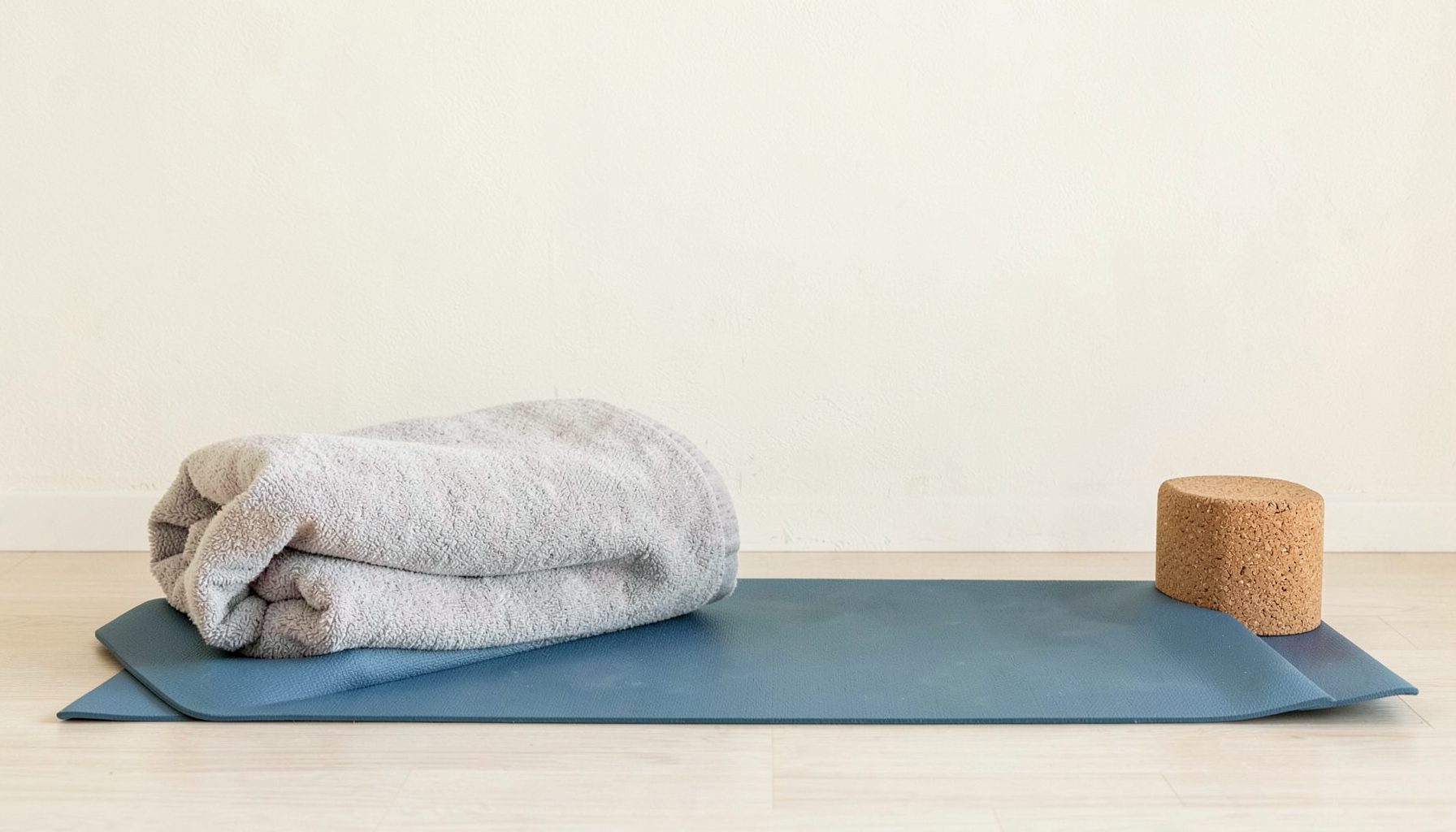
Set up a welcoming space before you begin. You need very little: a mat or folded blanket, comfortable clothing, and enough room to extend your arms. Lowering the lights, putting your phone on silent, or keeping a cushion nearby can signal that this time is intentional. These small details reduce friction and make it easier to begin.
If you prefer guidance, explore the available yoga classes to find a practice that matches your experience, energy, and interest. A guided session can provide structure while still allowing you to modify postures and rest whenever needed.
Shape A Saturday Practice Around Energy
Saturday often offers more spaciousness, so it can be a good day for a moderately active yoga flow. Start with several minutes of breath awareness and simple mobility before moving into postures such as cat-cow, low lunges, gentle twists, and standing poses. Gradually build warmth rather than beginning with your most demanding movement.
If you enjoy a stronger practice, include poses that develop stability without turning the session into a test. Chair pose, warrior variations, bridge pose, or a slow sequence of sun salutations can strengthen the legs and awaken the whole body. Keep your breathing smooth, and pause whenever your breath becomes strained. Intensity should remain compatible with attention.
You can also pair your yoga session with another nourishing weekend activity. A short walk after practice may help you absorb the effects of movement, while a quiet breakfast can extend the sense of presence. Try to resist immediately filling the transition with notifications or a crowded schedule. Even five minutes of stillness can make the practice feel complete.
When your weekend is busy, use a condensed sequence instead. Move through seated breathing, shoulder rolls, tabletop movements, a low lunge on each side, a gentle standing fold, and a brief rest. This creates a coherent mini-practice without requiring you to reorganize the entire day.
Use Sunday For Restoration And Reflection
Sunday yoga can offer a softer counterpoint to Saturday’s activity. Restorative yoga, yin-inspired stretches, and slow floor-based movement may help your nervous system settle before the week begins. Consider supported child’s pose, reclined bound angle, legs resting on a chair, or a gentle supine twist. Stay long enough to notice subtle changes, but never force a deeper sensation.
Breathwork can be especially helpful at the end of the weekend. Try breathing in for a comfortable count of four and exhaling for a count of six, repeating for several rounds without strain. A longer exhale often encourages relaxation, though the breath should remain easy. If counting creates pressure, simply observe the natural rhythm of inhalation and exhalation.
Add a few minutes of meditation or writing after your physical practice. You might note one thing your body is asking for, one quality you want to carry into the week, and one obligation you can approach with more kindness. This is not about creating a perfect plan. It is a way to listen before responding to the demands ahead.
A Sunday routine can also include practical preparation. Gather your mat, choose a sequence, or schedule a class for the coming week. Preparing in advance protects your practice from becoming dependent on motivation. At the same time, leave room to change plans if your energy, health, or responsibilities shift.
Match Your Practice To Your Weekend Energy
A useful routine gives you options instead of assigning the same practice every weekend. Notice your physical energy, emotional state, available time, and need for stimulation or rest. Then choose a practice that responds to those factors. Yoga becomes more sustainable when it is adaptable rather than based on a fixed idea of what you should be able to do.
The following guide can help you select a starting point. These suggestions are invitations, not rules, and each posture can be modified with props or replaced with comfortable movement.
| Weekend need | Suitable practice | Suggested length | Helpful focus |
|---|---|---|---|
| Wake up slowly | Gentle mobility and standing flow | 15–30 minutes | Breath, circulation, steady energy |
| Release workweek tension | Hips, shoulders, and spinal movement | 20–40 minutes | Ease, range of motion, awareness |
| Feel physically tired | Restorative poses and supported rest | 10–25 minutes | Nervous system settling |
| Feel mentally scattered | Breath-led slow flow | 15–30 minutes | Concentration and grounding |
| Prepare for the week | Floor stretches and meditation | 15–25 minutes | Reflection, calm, intention |
| Have very little time | Seated breathing and simple mobility | 5–10 minutes | Continuity and self-kindness |
Avoid measuring success by flexibility or the number of postures completed. A practice can be deeply effective when it consists of one supported pose and several attentive breaths. If pain, dizziness, or unusual discomfort appears, stop and seek appropriate professional guidance rather than pushing through.
Make The Routine Easy To Continue
Consistency depends on reducing the number of decisions required. Keep your mat visible, save a few reliable sequences, and place any blocks, blankets, or cushions where you can reach them. When your practice space is ready, beginning feels less like a project. You can also link yoga to an existing habit, such as making tea, finishing breakfast, or changing into comfortable clothes.
Choose a minimum practice for demanding weekends. This might be five minutes of breathing, three mobility movements, and a short rest. On days when you have more time, continue into a longer sequence. The minimum keeps the relationship with yoga alive without treating limited time as failure.
Let your practice change with your life. Travel, family visits, illness, weather, and social plans may all affect your weekend. Yoga can happen beside a bed, in a garden, in a quiet corner, or through visualization when physical movement is not appropriate. Adaptation is part of mindfulness because it asks you to respond to reality rather than cling to a plan.
If you want more personalized direction, you can get in touch about classes, retreats, or resources that support a gentle and accessible home practice. Guidance can be particularly valuable when you are returning after a long pause or learning how to modify movement for your body.
Build A Weekend Practice That Feels Like Care
Use these reminders to keep your routine supportive and realistic:
- Start with how you feel today, not with an idealized version of your practice.
- Choose one physical focus, such as shoulder release, hip mobility, balance, or rest.
- Let your breath guide the pace, and pause when breathing becomes difficult.
- Keep a short version available for busy weekends and a longer version for spacious ones.
- Finish with stillness so your body and mind can recognize the transition.
A simple closing ritual can make each session feel complete. Lie down for a few moments, place one hand on your chest and one on your abdomen, or sit quietly with your eyes open. Notice the support beneath you and allow the benefits of movement to settle without immediately evaluating the experience.
Over time, you may find that yoga changes the texture of your weekend. You become more aware of when you need activity and when you need recovery. You may take breaks before tension becomes overwhelming, breathe more deliberately during ordinary tasks, and enter Monday with a clearer sense of your capacity.
Let your next weekend practice be modest and intentional. Roll out your mat, choose a few movements that meet you where you are, and give yourself permission to move slowly. The value of a personal yoga practice grows through repeated moments of attention, and even a small pause can become a meaningful way to care for yourself.