



A sequence for opening the chest: from heart to sky
The front of the body often closes before we notice it. Hours at a desk, carrying bags, scrolling through a phone, or moving through a demanding day can draw the shoulders forward and make the breath feel shallow. A gentle chest-opening practice offers space without forcing the body into a dramatic backbend.
This sequence moves gradually from awareness to movement, then from movement into stillness. It is designed to awaken the upper back, lengthen the front ribs, mobilize the shoulders, and invite a fuller breath. The intention is not to create a particular shape, but to make room for sensation, ease, and self-compassion.
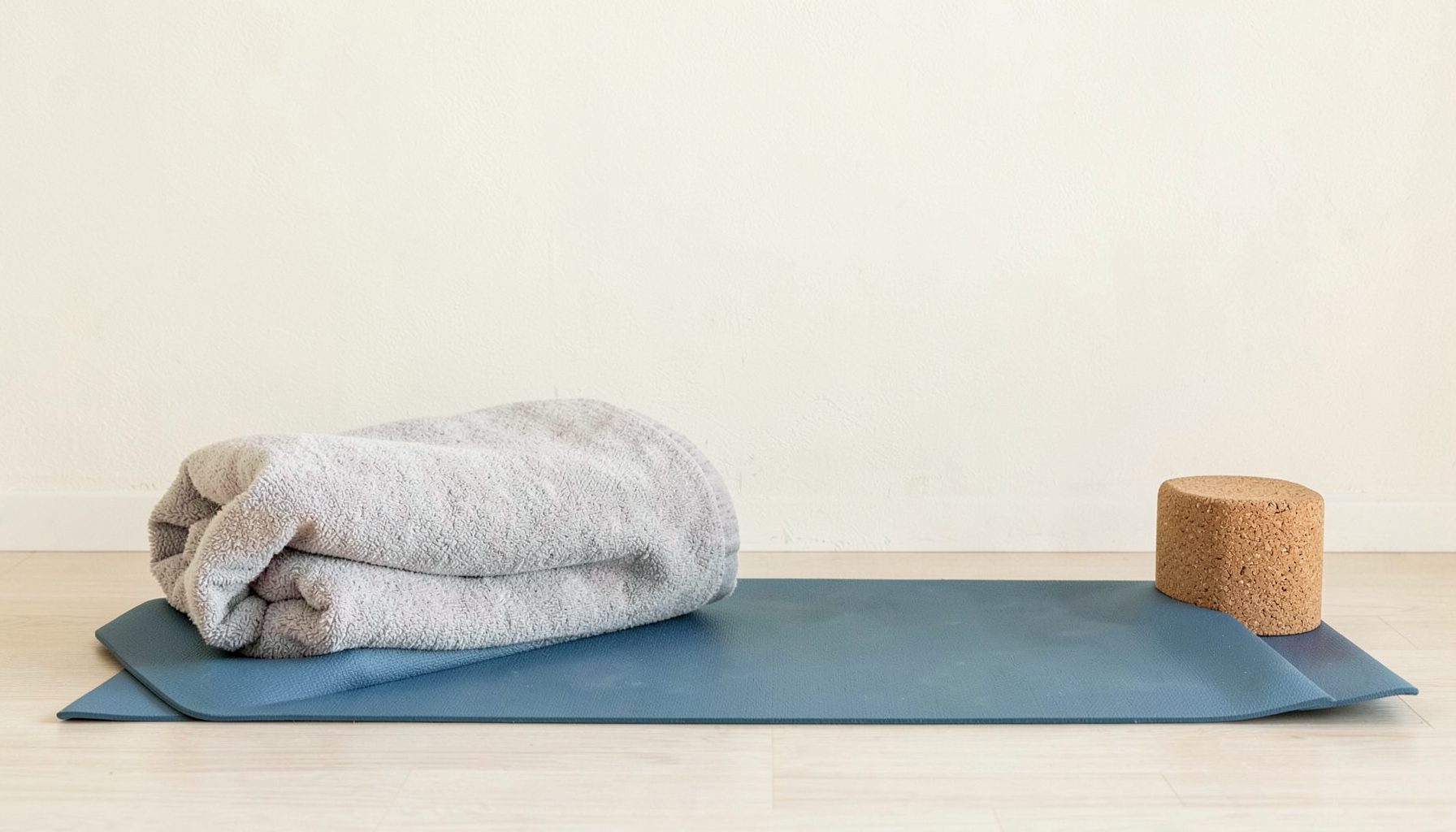
You can practise it in the morning, as a pause between tasks, or in the evening when you want to release tension. A folded blanket, yoga strap, and bolster may be useful, although the sequence can be adapted to a small space with no equipment.
Begin with breath and body awareness
Start in a comfortable seated position or lie on your back with your knees bent. Let your hands rest over the lower ribs. Rather than trying to breathe as deeply as possible, notice where the breath is already moving. Feel the ribs widen gently into the hands as you inhale and soften as you exhale.
Stay for six to eight slow breaths. On each inhale, imagine the breath moving across the collarbones and into the back of the heart. On each exhale, allow the shoulders to drop away from the ears. This simple breathwork begins to soften guarding around the chest while giving the nervous system a steady point of attention.
If the mind wanders, return to the physical details of breathing: the movement of the ribs, the temperature of the air, and the sensation of the body being supported. A mindful practice does not require complete concentration. It asks you to notice and return without criticism.
Warm the spine and shoulders
Come to hands and knees, placing the wrists beneath the shoulders and the knees beneath the hips. Move slowly through a few rounds of Cat-Cow. Inhale as the chest travels forward and the sitting bones lift, then exhale as the spine rounds and the chin moves slightly toward the chest.
Keep the movement spacious rather than exaggerated. In the cow shape, lengthen through the crown of the head instead of compressing the back of the neck. In the rounded shape, press the floor away and allow the shoulder blades to spread. This creates balanced spinal mobility and prepares the upper back for deeper opening.
From all fours, thread the right arm beneath the left arm, lowering the right shoulder and side of the head toward the mat. Take two or three breaths, then return to centre and change sides. This shoulder stretch can release tension around the back of the shoulder and between the shoulder blades, areas that often limit comfortable chest expansion.
Move into a low lunge with the right foot forward and the left knee down. Place your hands on blocks or the floor, then reach the left arm overhead if that feels steady. Keep the lower ribs gently contained as you lift through the sternum. After several breaths, switch sides. The hip flexor stretch matters here because restricted hips can make an upper-body backbend feel more intense than necessary.
Create support before opening
Lie on your back with your knees bent and feet grounded. Place a block or folded blanket lengthwise beneath the spine, supporting the back of the head and the upper back if needed. The support should create a mild lift, not a strong arch. Let the arms rest alongside you with the palms facing up.
Remain for five to ten breaths. Observe whether the abdomen can stay soft and whether the breath can move into the side ribs. If the throat feels strained, lower the support or place an additional folded towel beneath the head. Chest opening should allow the breath to become more comfortable, not leave you bracing or holding it.
For a more active variation, remove the support and bring the arms out into a cactus shape, with the elbows bent at approximately ninety degrees. As you inhale, feel the front ribs broaden. As you exhale, allow the elbows and backs of the hands to become heavier without forcing them toward the floor.
This supported heart-opening position can be especially helpful for beginners, people with stiff shoulders, or anyone who wants a restorative yoga practice. It gives the body time to receive the shape instead of demanding flexibility from it.
Move from heart to sky
Return to hands and knees, then step the right foot forward into a low lunge. Place the left hand beneath the left shoulder and bend the left knee, reaching back with the right hand to hold the foot or ankle. If the foot is difficult to reach, use a strap around it or keep the back knee down without holding the foot.
Press the top of the back foot into the floor and draw the lower belly gently inward. Lift the chest forward and up while keeping the front ribs from thrusting outward. The focus is a long line through the spine and a gradual opening across the left hip, chest, and shoulder. Hold for three to five breaths before releasing with care and changing sides.
Next, stand at the front of your mat with feet about hip-width apart. Interlace the hands behind your back, or hold opposite elbows. Bend the knees and hinge forward from the hips, letting the head release only as far as feels comfortable. Allow the clasped hands to move away from the back without pulling.
After two or three breaths, rise slowly with the knees bent. Stand in Mountain Pose and take the arms overhead. Keep the shoulders relaxed and the palms facing one another. Imagine the crown of the head reaching upward while the soles of the feet root down. This simple vertical shape connects the grounded body with the feeling of spaciousness often associated with reaching toward the sky.
Choose the right shape for your body
Chest-opening yoga can include anything from a supported recline to an active pose such as Cobra, Bridge, or Camel. The most suitable option depends on your energy, mobility, breathing pattern, and current needs. A pose that looks expansive may still feel constricting if the body has to work too hard to maintain it.
Use the following guide to decide how much intensity belongs in your practice today:
| Practice option | Main area of focus | Intensity | Helpful adjustment |
|---|---|---|---|
| Supported recline | Sternum, ribs, shoulders | Gentle | Lower the support or bend the elbows |
| Sphinx Pose | Upper back and front body | Gentle to moderate | Move elbows slightly forward |
| Low lunge with arm reach | Hip flexors and chest | Moderate | Keep the back knee down |
| Bridge Pose | Glutes, spine, and chest | Moderate | Place a block beneath the sacrum |
| Camel variation | Thighs, shoulders, and heart space | Stronger | Keep hands on the lower back |
| Standing overhead reach | Spine, ribs, and shoulders | Gentle | Keep arms wider than the head |
To practise Sphinx Pose, lie on your belly and place the forearms parallel on the mat. Press down through the forearms while lengthening the spine forward. Keep the pubic bone heavy and stop before the lower back begins to pinch. Sphinx is often more sustainable than lifting high into Cobra, particularly when the aim is to explore sensation rather than achieve maximum extension.
Bridge Pose offers another option. Lie on your back, bend the knees, and place the feet parallel. Press through the feet to lift the pelvis, then keep the throat soft and the chest moving toward the chin without forcing contact. Lower slowly. Repeat two or three times, or hold once for several breaths with a block beneath the sacrum for a supported variation.
Let the opening remain gentle
A chest-opening sequence does not need to feel emotionally dramatic to be meaningful. Some days the practice may reveal fatigue, sadness, restlessness, or simple physical stiffness. Let those responses be information rather than problems to solve. Curiosity can be more supportive than trying to make the pose feel beautiful or profound.
The guide The gift of not knowing offers a helpful perspective for approaching yoga as exploration. You can bring that same spirit to this sequence by replacing performance with observation: What changes when the arms widen? Where does the breath hesitate? What happens when you use less effort?
After the active portion, rest in Child’s Pose, constructive rest, or Savasana for three to five minutes. If lying flat feels uncomfortable, place a bolster beneath the knees or rest on your side. Notice the aftereffects rather than immediately moving on. The chest may feel warmer, the breath may feel wider, or the shoulders may simply feel more settled.
When you finish, roll to one side and pause before sitting up. Take one final breath with the hands over the heart or lower ribs. The closing moment does not need to create a particular mood. It can simply acknowledge the time you have given to your body.
Practice with steadiness and care
Move away from any sharp, pinching, or electrical sensation. A gentle stretch across the chest, shoulders, or hip flexors is different from pain. If you have a shoulder, neck, wrist, rib, or spinal injury, work with a qualified teacher or healthcare professional to adapt the sequence.
Keep the back of the neck long and avoid throwing the head backward to make a pose appear deeper. In most chest-opening postures, the lift begins through the breastbone and upper spine, while the lower ribs remain responsive and the breath stays unforced. Props are valuable tools, not signs that a pose is being done incorrectly.
Build the practice gradually rather than repeating the strongest version every day. A few minutes of conscious breathing and supported movement may be more nourishing than an ambitious sequence performed with strain. Sustainable yoga leaves room for changing energy, changing bodies, and changing seasons of life.
- Begin with six to eight breaths before adding larger movements.
- Use blankets, blocks, or a strap to reduce gripping and support alignment.
- Keep the breath smooth enough that you can soften the jaw and shoulders.
- Choose one or two chest-opening poses when energy or time is limited.
- Finish with rest so the body can absorb the practice.
Return to this sequence whenever you want to reconnect with the front body, create room around the ribs, or soften the effects of forward-folded daily habits. Let the movement be a quiet invitation rather than a demand. With patience, the path from heart to sky can become less about reaching upward and more about feeling supported enough to open.
Explore Camille Dodson Yoga’s classes, retreats, reflections, and downloadable resources to continue building a mindful, accessible practice. Set aside a few unhurried minutes, place your mat somewhere welcoming, and begin with one easy breath.