



A Gentle Evening Yoga Sequence for Restful Nights
Evening can be a difficult space to inhabit. The day may be over, yet your mind is still moving through unfinished tasks, conversations, notifications, and tomorrow’s plans. A short, calming yoga practice can create a clear transition between activity and sleep, helping you return attention to the body and settle into the present moment.
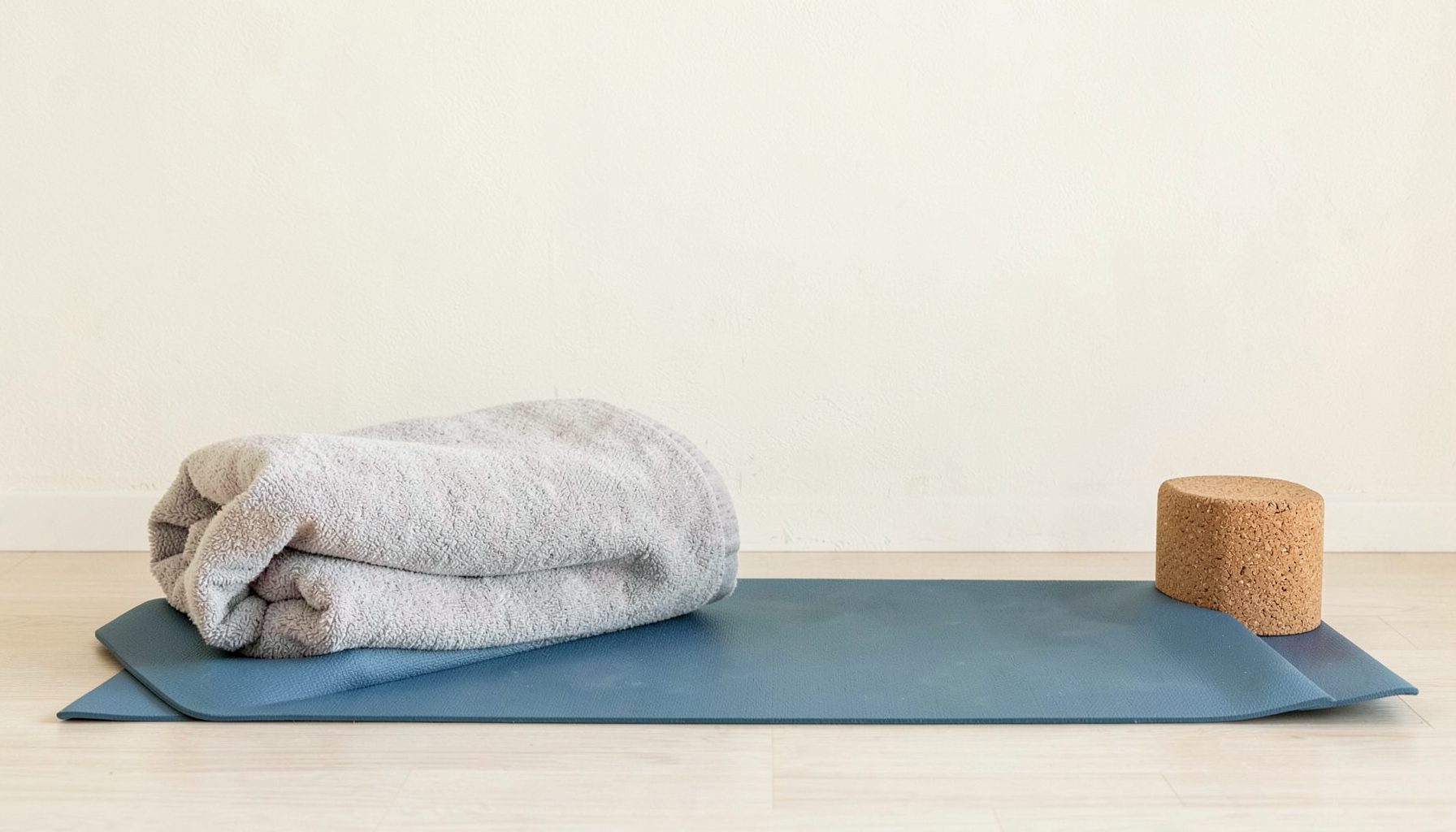
This gentle evening sequence is designed for anyone who wants to wind down before bed without forcing deep stretches or demanding physical effort. The movements are slow, supported, and easy to adapt. You can practise on a yoga mat, beside your bed, or even on the floor with a folded blanket beneath you.
Think of this as an invitation rather than a performance. There is no ideal shape to achieve and no need to practise every posture. A few mindful movements, relaxed breaths, and moments of stillness may be enough to help your nervous system recognise that the day is coming to an end.
Create A Softer Transition
The most helpful bedtime yoga practice is one that feels easy to begin. Dim the lights, silence your phone, and give yourself a few minutes without rushing. You might change into comfortable clothing, make a warm drink, or place a blanket nearby so that you can stay cosy during the quieter parts of the practice.
There is no requirement to practise in a perfect environment. If your bedroom is small or shared, work with the space available. The purpose is to reduce stimulation, not create another task to complete. Let your evening routine be simple enough that you can return to it regularly.
Begin seated in a comfortable position, either on the floor or at the edge of your bed. Let your hands rest loosely on your thighs. Notice the support beneath you and allow your gaze to soften or close. Take three unhurried breaths, making the exhalation slightly longer than the inhalation without straining.
Let The Body Unclench
Start with gentle movements that release common areas of evening tension. Roll your shoulders slowly up toward your ears, then let them drop. Repeat two or three times, moving at a pace that feels soothing. Circle one wrist at a time, stretch and relax your fingers, and allow your jaw to loosen.
From your seated position, bring one ear toward the corresponding shoulder without lifting the shoulder. Return to centre and change sides. You can also turn your head slowly to look over one shoulder, then the other. Keep the movement small; the intention is to create space around the neck, not to stretch as far as possible.
Move into seated side bends by placing one hand beside you and reaching the opposite arm overhead. Lean gently to the side, keeping both sitting bones grounded as much as feels comfortable. Take two or three breaths, then change sides. If raising your arm feels tiring, keep both hands on your ribs and simply breathe into the sides of your body.
Yoga does not depend on flexibility, and your range of motion does not determine whether you belong in a practice. This reflection on starting yoga without flexibility can offer a helpful reminder when self-judgement appears.
Move Slowly Toward Rest
Come onto hands and knees if that feels comfortable, placing a folded blanket beneath your knees or wrists for support. Move through a small version of Cat-Cow: as you inhale, allow the chest to broaden and the spine to lengthen; as you exhale, gently round the back and let the head release. Keep the movement fluid and modest rather than pushing into strong spinal extension or flexion.
After several rounds, sit back toward the heels for Child’s Pose, or rest your torso on a stack of cushions if reaching the floor is uncomfortable. Your arms can extend forward, rest beside your body, or fold beneath your forehead. Remain for five slow breaths, noticing the sensation of being supported.
From there, lie on your back with your knees bent and feet on the floor. Let both knees sway slowly from side to side, keeping the movement relaxed. This gentle windscreen-wiper motion can ease the lower back after a day of sitting, standing, or travelling. Keep the range small enough that your breath remains smooth.
The sequence below offers a simple rhythm. Times are suggestions rather than rules, so shorten or extend each posture according to your energy.
| Movement | Suggested time | Main intention | Helpful support |
|---|---|---|---|
| Seated breathing | 2 minutes | Settle attention | Cushion or chair |
| Shoulder and neck movements | 2 minutes | Release upper-body tension | None needed |
| Cat-Cow | 1–2 minutes | Mobilise the spine gently | Blanket under knees |
| Child’s Pose | 2–3 minutes | Encourage grounding | Bolster or pillows |
| Reclined knee sways | 1–2 minutes | Relax the lower back | Mat or bed |
| Legs supported on a bed or chair | 3–5 minutes | Rest without effort | Chair, pillows, or mattress |
| Final relaxation | 3–5 minutes | Absorb the practice | Blanket and eye pillow |
Support The Nervous System
After the knee sways, extend your legs along the floor or place your lower legs on a bed, sofa, or sturdy chair. This supported position can be particularly welcome when your legs feel heavy. There is no need to lift the pelvis or create an elaborate inversion. Comfort and steadiness are more important than shape.
Rest your hands on your abdomen or let your arms lie by your sides. Breathe naturally and observe the movement beneath your palms. If counting helps you focus, inhale gently for a count of four and exhale for a count of six. Stop counting if it makes you feel controlled or anxious; a natural breath is always appropriate.
You can also try a simple body scan. Bring attention to the forehead, eyes, jaw, throat, shoulders, hands, belly, hips, legs, and feet. At each area, imagine making a little more room. You are not required to remove every sensation. Noticing tension with kindness is already a form of care.
If lying on your back is not comfortable, practise the same breathing while lying on your side or sitting against the wall. People with certain health conditions, pregnancy-related needs, dizziness, or pain may need different variations. Use props, change position, or leave out any movement that does not feel right.
Choose Stillness Over Strain
The final part of a bedtime yoga routine should become quieter, not more ambitious. Lie down in a comfortable position and place a cushion beneath your knees if your lower back prefers support. Cover yourself with a blanket so that you do not need to adjust once you begin to relax.
Notice three physical sensations, such as the weight of your body, the temperature of the air, or the texture of the blanket. Then notice two sounds. Finally, notice one quality of the breath. This brief grounding practice brings attention away from mental planning and back toward immediate experience.
Thoughts may continue to appear. You do not have to solve them before sleep, and you do not need to criticise yourself for having them. When the mind wanders, use a quiet phrase such as “soften,” “rest,” or “nothing to do right now.” Repeat it gently whenever you notice that you have become caught in thought.
Remain here for three to five minutes, or stay longer if you are ready to sleep. If the practice is taking place in bed, you can let the relaxation become part of your bedtime rather than standing up afterward. The transition can be almost invisible: one final breath, then the permission to stop practising.
Make The Sequence Your Own
A sustainable evening practice changes with the day. On a busy evening, you might sit for two minutes and breathe. When your body feels restless, you may spend longer with Cat-Cow, side bends, or supported forward folding. When you are tired, skip the floor sequence and move straight to legs supported on the bed or final relaxation.
Try linking the practice to an existing habit. You could begin after brushing your teeth, when you turn off your laptop, or just before you get into bed. A consistent cue makes the sequence easier to remember. Keep a cushion or folded blanket visible if a reminder would help, but avoid turning the routine into another standard you must meet.
Gentleness also includes emotional flexibility. Some nights, movement may bring relief; on other nights, stillness may feel more appropriate. You can practise self-compassion by recognising what is genuinely needed rather than insisting on the routine you planned earlier.
For a deeper reset, an occasional retreat can provide space to explore mindfulness, breathwork, and movement away from everyday demands. Camille Dodson Yoga offers restful yoga retreats that support a slower, more attentive relationship with practice.
Keep Your Bedtime Practice Sustainable
Small choices determine whether an evening sequence becomes a supportive habit. Consider these ways to make it easier to return to:
- Keep the sequence between five and fifteen minutes so it remains realistic on ordinary nights.
- Use cushions, blankets, a wall, or a chair to make each posture more comfortable.
- Emphasise long, easy exhalations instead of trying to breathe deeply or forcefully.
- Leave out any movement that causes pain, numbness, dizziness, or a sense of pressure.
- Finish with enough stillness that your body can recognise the practice as a transition to sleep.
A calming yoga routine does not have to produce a dramatic feeling. Its effect may be subtle: a less clenched jaw, a quieter breath, warmer hands, or a little more distance from the day’s demands. These small signals can matter when repeated with patience.
Over time, the sequence can become a personal ritual of listening. You may learn which postures settle you, which breathing patterns feel natural, and when your body is asking for rest rather than effort. That knowledge is more valuable than completing a fixed series perfectly.
Begin tonight with the simplest version: sit comfortably, move your shoulders, take a few slow breaths, and lie down with support. Return to the longer sequence whenever it serves you, allowing the practice to meet you exactly where you are.