




Yoga for Tight Shoulders: Simple Stretches to Release Tension
Tight shoulders can make the whole body feel guarded. The neck may become stiff, the upper back can feel heavy, and even a deep breath may seem difficult. Long hours at a desk, repeated phone use, stress, and shallow breathing often encourage the shoulders to creep toward the ears without us noticing.
A gentle yoga practice can help you reconnect with this area without forcing it open. Slow shoulder movements, supported stretches, mindful breathing, and steady attention may soften muscular tension while creating a greater sense of space through the chest and upper back.
The aim is not to achieve a dramatic stretch. It is to listen closely, move within a comfortable range, and give your nervous system a chance to settle. The following sequence can be used as a short morning practice, a desk break, or a calming evening ritual.
Why Shoulders Accumulate Tension
The shoulders respond quickly to physical and emotional demands. When you concentrate, feel rushed, or experience stress, you may unconsciously brace through the jaw, neck, and upper back. Holding this pattern for hours can leave the trapezius muscles sore and make ordinary movements feel restricted.
Posture also plays a part. Sitting with the head forward and the arms reaching toward a keyboard or phone asks the shoulders to remain slightly rounded. The chest muscles may become shortened, while the muscles around the shoulder blades work continuously to support the upper body. This imbalance can feel like tightness across the front of the shoulders and between the shoulder blades.
Yoga for shoulder tension works best when it includes more than a single stretch. Gentle mobility helps the joints move, strengthening movements support healthy alignment, and breathwork reduces the habit of bracing. If pain is sharp, persistent, or accompanied by numbness, tingling, weakness, or limited movement, seek advice from a qualified healthcare professional before stretching.
Begin With Breath And Awareness
Start in a comfortable seated position or lie down with your knees bent. Let your arms rest by your sides and notice how your shoulders meet the floor or how they hang above your ribs. You do not need to correct anything immediately. Simply observe whether one side feels higher, heavier, or more active than the other.
Take a slow breath in through your nose, allowing the ribs to widen in several directions. As you exhale, imagine the shoulder blades becoming heavier. Avoid pushing them down or pulling them back. The intention is to release unnecessary effort, rather than create a rigid posture.
Try five to eight relaxed breaths. On each inhale, feel the back of the rib cage expand. On each exhale, soften the muscles around the collarbones, throat, and jaw. This simple practice can make the following shoulder stretches more comfortable because the body is less likely to resist the movement.
Gentle Movements For A Stiff Upper Body
Move slowly and keep the breath smooth. Each exercise should create a mild sensation of length or warmth, never a sharp pull. Rest whenever you need to, and repeat fewer rounds if your shoulders feel tired.
| Movement | How To Practise | Main Focus |
|---|---|---|
| Shoulder Rolls | Inhale as you lift the shoulders, exhale as you draw them back and down. Repeat slowly in both directions. | Eases stiffness and improves awareness |
| Neck Release | Let the right ear move toward the right shoulder without lifting the shoulder. Switch sides after several breaths. | Releases tension along the neck and upper trapezius |
| Eagle Arms | Extend the arms, cross the right arm over the left, and bend the elbows. Bring the palms or backs of the hands toward one another. Repeat on the other side. | Opens the space between the shoulder blades |
| Child’s Pose With Side Reach | From a kneeling position, fold forward and walk both hands to the right, then to the left. | Lengthens the side body and upper back |
| Thread The Needle | From hands and knees, slide the right arm under the left and lower the right shoulder. Change sides gently. | Mobilises the upper back and rear shoulder |
| Supported Chest Opener | Lie over a lengthwise bolster or folded blanket, with arms resting comfortably out to the sides. | Creates space across the chest and front shoulders |
Begin with shoulder rolls because they are accessible in almost any setting. Keep the arms relaxed and make the circles small at first. As the joints warm, you may gradually widen the movement. Notice whether you can keep the neck quiet instead of letting the head move with the shoulders.
For Eagle Arms, the goal is not to force the palms together. If the shoulders feel compressed, hold opposite shoulders in a self-hug instead. This variation can be deeply soothing because it combines an upper-back stretch with a feeling of support. Stay for three to five breaths, then change the crossing of the arms so both sides receive equal attention.
Thread the Needle can feel especially helpful after computer work. Keep the hips above the knees and move from the ribs and upper back rather than collapsing into the shoulder joint. Use a folded blanket beneath the head if the floor feels too far away. Gentle props can transform a demanding position into a sustainable one.
Make Each Stretch More Comfortable
A stretch does not need to be intense to be effective. If the sensation feels strong, reduce the range of motion, place your hands on a wall, or use a cushion to support your body. The shoulders often soften more readily when they feel safe and stable.
In Child’s Pose, widen the knees and rest the forehead on a block or stacked fists. If kneeling is uncomfortable, sit on a chair and fold forward over a table or your thighs. You can also practise the side reach while seated, placing one hand on the chair and reaching the other arm overhead.
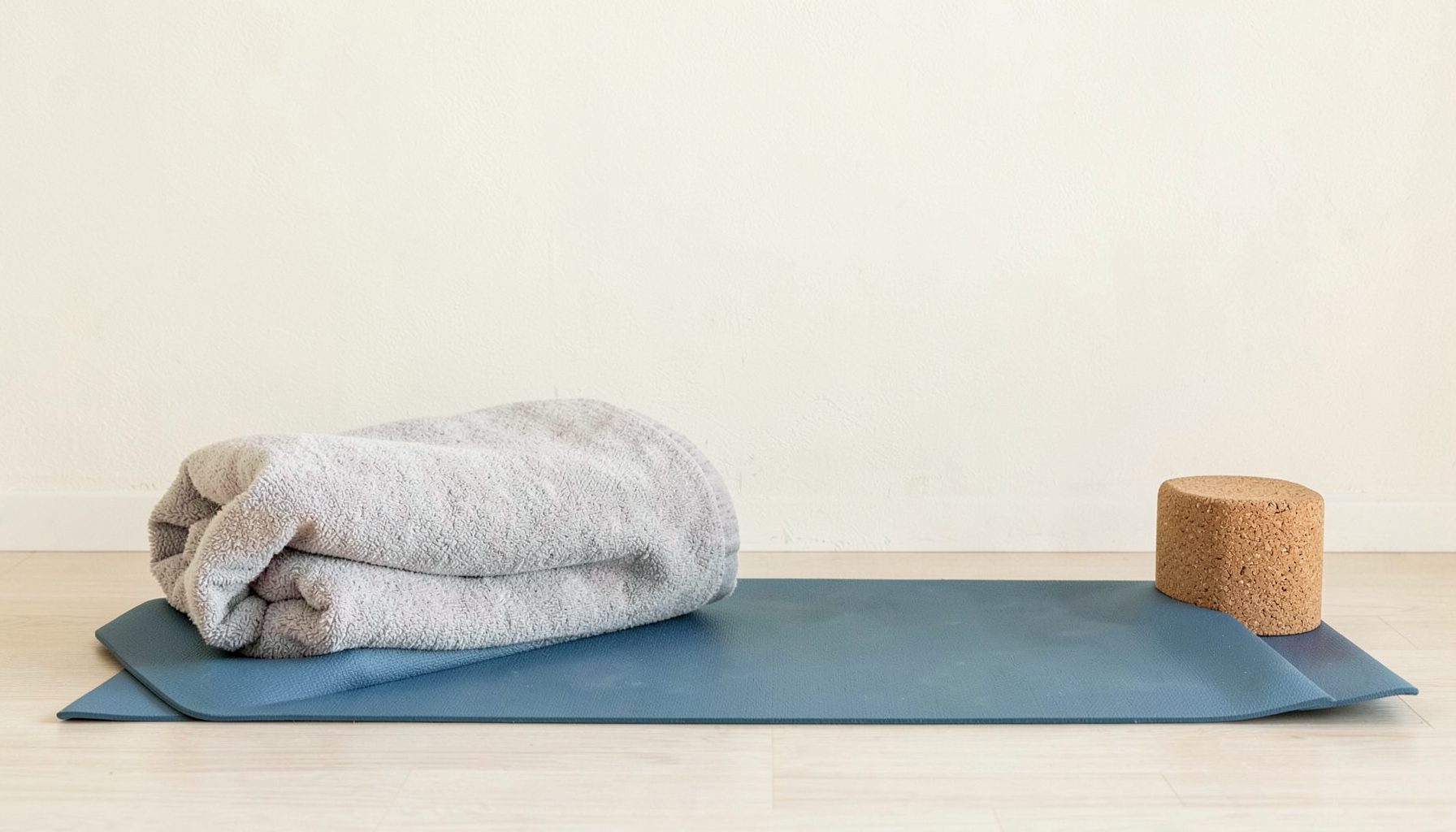
For a chest opener, avoid allowing the ribs to flare dramatically. Keep the lower back comfortable and let the arms rest where the front of the shoulders feels a gentle opening. A rolled towel placed along the spine can be enough; a large bolster is not required.
Pay attention to what happens after each movement. You may notice easier breathing, warmer hands, or a sense of spaciousness between the shoulder blades. These subtle signs matter. Flexibility is only one part of shoulder health, and an improved relationship with sensation can be just as valuable.
Build A Short Daily Practice
Consistency usually serves tight shoulders better than occasional intensity. A few minutes of mindful movement can interrupt the habits that create tension, especially when paired with regular breaks from sitting. You can practise the full sequence or choose two movements that match how you feel that day.
A simple routine might include shoulder rolls, three breaths in Eagle Arms on each side, Thread the Needle, and a supported chest opener. Move through the sequence once, then pause in stillness for a minute. If you have more time, repeat the movements with slower breathing rather than adding force.
Helpful ways to make the practice sustainable include:
- Set a gentle reminder to move every hour during desk work.
- Keep a folded blanket or yoga strap where you can easily reach it.
- Practise for five minutes before checking your phone in the morning.
- Pair shoulder stretches with an existing habit, such as making tea.
- Finish with several relaxed breaths instead of rushing into the next task.
A sustainable yoga practice should fit your actual life. You might practise beside your desk, on the edge of your bed, or in a quiet corner of the living room. There is no requirement to create a perfect setting before you begin.
Support The Shoulders Beyond Stretching
Stretching can relieve the feeling of tightness, yet the shoulders also benefit from gentle strength and everyday posture changes. Movements such as Wall Angels, low Cobra, and supported Tabletop can encourage the shoulder blades to move with greater control. Practise these exercises carefully, keeping the neck relaxed and avoiding any pinching sensation.
When sitting, let your feet rest on the floor and bring your screen closer to eye level when possible. Allow the elbows to stay near the ribs rather than reaching far forward. These small adjustments reduce the amount of work required from the upper back throughout the day.
Breathing habits are equally important. A tendency to breathe high into the chest can keep the neck and shoulder muscles active. Instead, try to feel the breath expand the side ribs and back ribs. On an exhale, release the urge to hold yourself in place.
Yoga can become a way to notice patterns before they turn into discomfort. Camille’s approach to practice offers gentle guidance that centres mindfulness, self-compassion, and movement that can be adapted to different bodies and energy levels.
Let Your Practice Be Responsive
There may be days when your shoulders need movement and days when they need rest. If you wake with soreness, choose smaller circles and supported positions. If your energy is low, spend more time breathing and less time stretching. Your practice can respond to your body instead of asking your body to meet a fixed standard.
Avoid comparing one side with the other or trying to make both shoulders look identical. Natural differences are common, and forcing symmetry can create more tension. Use the breath as a guide: if it becomes strained or you begin gripping through the jaw, ease out of the pose.
End by lying down or sitting quietly for a few moments. Notice whether your shoulders feel lower, your breath feels fuller, or your upper back feels more connected to the rest of your body. Even if the physical change is small, the act of paying attention is part of the practice.
Return to these simple shoulder stretches regularly, especially before discomfort becomes overwhelming. With patience, supportive movement, and mindful breathing, you can create more ease through the neck, chest, and upper back. Set aside a few quiet minutes today, choose one comfortable movement, and let your shoulders soften at their own pace.