

Yoga for the Feet: Gentle Stretches for Balance and Comfort
Your feet are the quiet foundation of almost every yoga posture. They spread across the mat, adjust to changes in weight, and send information upwards through the ankles, knees, hips and spine. When the soles feel stiff or tired, standing poses can become less stable, and everyday movements such as climbing stairs, walking on uneven ground or rising from a chair may require more effort.
A considered foot practice does not need to be intense. A few minutes of mindful movement can ease tight arches, wake up sleepy toes and improve your sense of contact with the ground. These gentle yoga stretches are suitable for a range of bodies and experience levels, whether you practise in a Sydney apartment, after a beach walk in Perth or at home following a long day in Melbourne.
Why Foot Awareness Matters
The feet contain many small bones, joints, muscles and sensory receptors. They respond constantly to the surface beneath you. A flat indoor floor, soft grass, hot pavement and a rocky bush track each ask for a slightly different kind of balance. Yoga offers a slow setting in which to notice those responses instead of rushing past them.
Foot discomfort can have many sources, including long periods of standing, unsupportive footwear, reduced ankle mobility or repetitive exercise. Wearing thongs for much of summer may feel convenient around the coast, but they offer limited support and can encourage gripping through the toes. Similarly, runners worn for commuting or work may restrict the forefoot if they are too narrow.
Mindful foot exercises can help you distinguish between useful effort and unnecessary tension. Notice whether your toes are clawing into the mat, whether your weight is rolling towards the outer edges, or whether one foot is doing most of the work. This awareness is valuable in mountain pose, lunges and balance postures, as well as while waiting for a tram or walking across a car park.
Pain deserves care rather than force. Gentle stretching should create space, warmth or a sense of mobility, not sharpness, tingling or increased discomfort. If you have an ongoing injury, diabetes, significant swelling or changes in sensation, seek individual guidance from a qualified health professional before beginning a new routine.
Preparing The Soles And Toes
Begin seated on a chair or on the floor with one foot supported. Rub the sole with your palm for several breaths, using a pressure that feels soothing rather than corrective. You can circle around the heel, move along the arch and gently press beneath the ball of the foot. This simple self-massage helps you arrive in the practice and notice differences between left and right.
Next, interlace the fingers of one hand with the toes of the opposite foot, only as far as is comfortable. Slowly move the toes apart and then release. If interlacing feels too strong, place a thumb beneath each toe and make small movements instead. The aim is to invite mobility into the forefoot, not to pull the toes into a dramatic stretch.
A seated toe lift is another useful option. Place both feet on the floor and keep the heels and the base of the little toes grounded. Lift all ten toes, then lower them slowly. Try lifting only the big toes while the other toes remain down, and then reverse the action. It is normal for this to feel surprisingly difficult; the small muscles of the feet are often less coordinated than the larger muscles of the legs.
For a gentle ankle warm-up, extend one leg and draw slow circles with the foot. Move in both directions, keeping the rest of the leg relaxed. Then point and flex the ankle several times. These movements may be especially welcome after a flight, a desk-bound workday or a long drive between regional towns.
If you would like a printable sequence to keep beside your mat, the downloadable yoga resources can support a steady home practice without relying on memory or screen instructions each time.
Gentle Stretches For Mobility
A simple calf stretch can improve the relationship between the ankle and the sole of the foot. Stand facing a wall with both hands resting against it. Step one foot back, keep the heel heavy and bend the front knee. Start with the back leg slightly bent so the stretch is mild. As your body warms, you may gradually straighten the back knee without forcing the heel down.
For the underside of the foot, try a supported kneeling variation. Come onto hands and knees and tuck the toes under. Keep some weight in your hands and slowly move the hips towards the heels. Stop well before the sensation becomes sharp. If this is too much, place a folded blanket beneath the knees or practise one foot at a time while seated.
A standing toe stretch can be adapted for balance and comfort. Place one foot behind you with the toes tucked and the ball of the foot on the floor. Keep most of your weight on the front leg and gently lower the back heel towards the ground. This lengthens the toes and the front of the ankle. Hold for three to five calm breaths, then change sides.
The following sequence offers several options. Stay for a few breaths in each position, or repeat a movement slowly rather than holding it.
| Movement | Main area | How to practise | Support option |
|---|---|---|---|
| Toe spreading | Toes and forefoot | Separate the toes gently, then relax them | Use your fingers for one toe at a time |
| Sole massage | Arch and heel | Rub with the palm or a soft ball | Keep pressure light if the feet are tender |
| Calf stretch | Calf and ankle | Step back and keep the heel comfortable | Use a wall or kitchen bench |
| Toe tuck | Toes and plantar surface | Kneel partially over tucked toes | Stay on hands and knees |
| Ankle circles | Ankle joint | Make slow, spacious circles | Practise seated |
| Foot rolling | Sole and arch | Roll over a tennis ball or massage ball | Use a soft ball and minimal weight |
Rolling the sole can feel pleasant after walking, yoga or sport, but more pressure is not necessarily more effective. Use a tennis ball only if it feels manageable, and avoid rolling directly over areas that are bruised, inflamed or acutely painful. A folded towel or soft massage ball provides a gentler starting point.
Building Better Standing Balance
Balance begins with how the foot meets the floor. In mountain pose, stand with the feet about hip-width apart and feel three broad points of contact: the heel, the base of the big toe and the base of the little toe. These points form a stable tripod. Let the toes rest rather than gripping, and imagine the weight spreading through the entire sole.
From there, shift the weight slowly forwards and backwards. Move only a small amount, keeping the knees soft. Notice when the heels become light and when the toes press down. Then explore side-to-side movement, allowing the ankles to respond. This is a practical way to train proprioception, the body’s sense of position in space.
Tree pose can be approached as a foot exercise rather than a test of flexibility. Keep one foot down and place the other heel against the opposite ankle, or use the toes as a kickstand. Press the standing foot into the floor while lifting through the crown of the head. A wall, chair or benchtop is a sensible support, especially on a hard surface or when practising outdoors.
Balance is affected by fatigue, temperature, footwear and attention. On a hot Queensland afternoon, the soles may feel more sensitive after walking on warm concrete. At a beach in Adelaide or on a grassy park in Canberra, the ground may be uneven or soft. These changing conditions are useful reminders to practise adaptability instead of chasing a perfectly still shape.
You can also add balance to everyday routines. Stand with one foot grounded while brushing your teeth, rise slowly onto the balls of both feet, or pause before stepping off a kerb. Keep these experiments brief and safe. The purpose is to build confidence in small doses, not to turn ordinary activities into demanding workouts.
Creating A Sustainable Foot Practice
A short routine practised regularly is usually more helpful than an ambitious session attempted rarely. Try five minutes after waking, before a walk, or at the end of the day when your feet are ready to soften. Begin with toe movements, continue with ankle circles and finish with a supported standing balance. The entire sequence can fit beside a bed, sofa or desk.
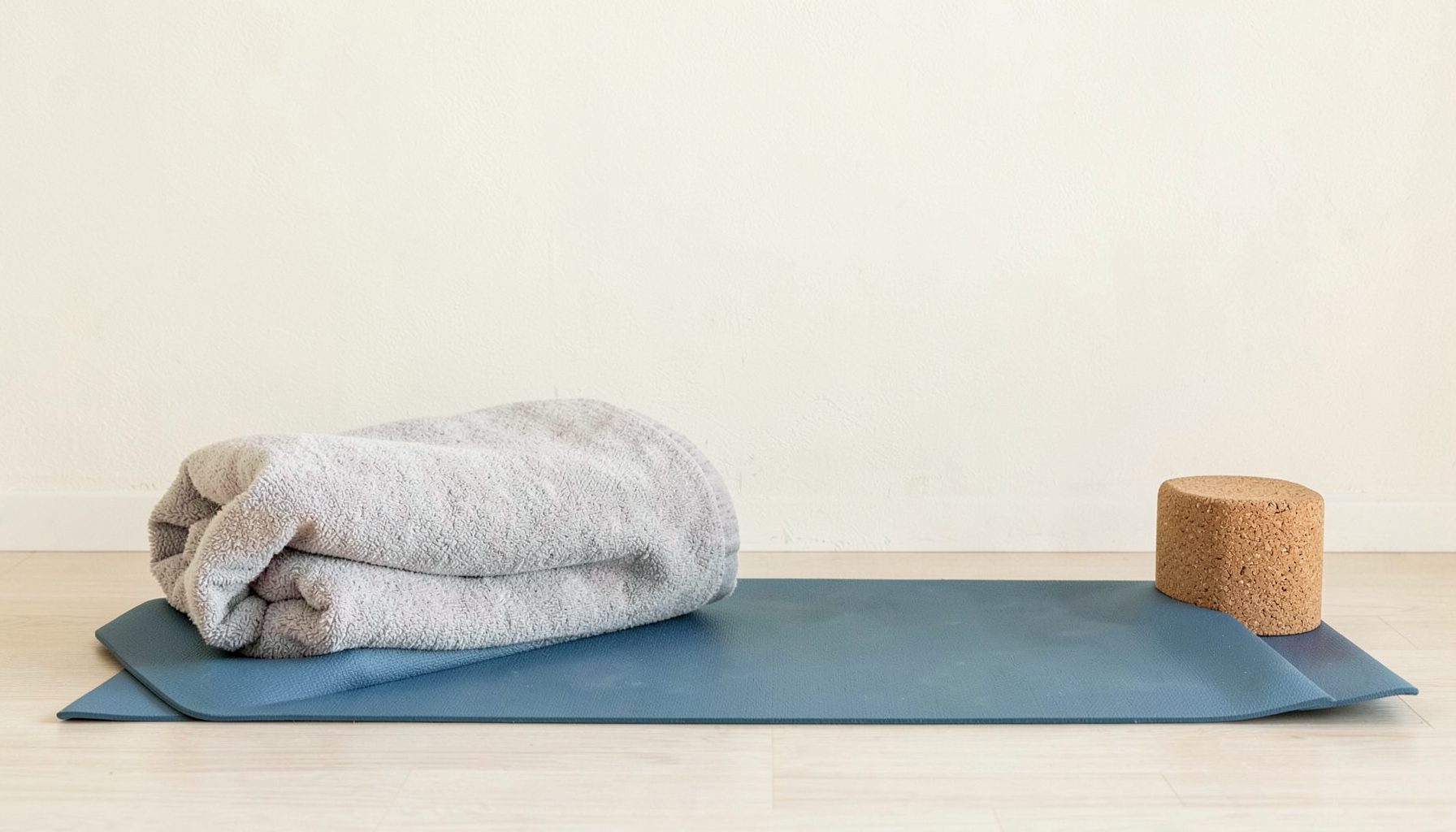
Your environment matters. A non-slip mat is useful, though some exercises are best done directly on a firm floor so you can sense the ground. If you practise on tiles during a cool Hobart morning, wear a light layer until the feet warm up. If the floor is slippery, avoid bare-foot standing poses and choose seated movements instead.
Mindfulness can be included through simple attention cues. Feel the temperature of the soles. Notice where the skin meets the mat. Listen for the breath without trying to make it unusually deep. If your mind wanders to work, traffic or a planned evening activity, acknowledge it and return to the physical sensations in the feet.
Digital habits can also influence how present a practice feels. Even when browsing something unrelated to yoga, such as a casino offer guide, notice whether your body has become tense or your breathing shallow. A short pause to relax the jaw, unclench the toes and feel the floor can restore choice before returning to the screen.
Foot comfort also depends on practical care beyond the mat. Choose shoes with enough room for the toes, vary footwear when possible and replace worn soles when they no longer provide suitable support. After a long day exploring Melbourne’s laneways, walking through Brisbane’s markets or standing at a local sporting event, give the feet a few minutes of elevation and gentle movement rather than immediately stretching aggressively.
A consistent yoga approach respects changing capacity. Some days you may enjoy a full standing sequence; on others, seated toe lifts and ankle circles may be enough. That flexibility is part of sustainable practice. Progress can mean noticing tension earlier, recovering more comfortably after a walk or trusting a support rather than pushing through instability.
The feet do not need to look perfectly aligned or perform advanced poses to be healthy participants in yoga. They need attention, room to move and time to respond. Gentle stretches for the toes, arches, calves and ankles can support balance while helping you feel more at ease in everyday movement.
Remember the essentials: spread the weight through the whole foot, soften the toes, use support freely and let comfort guide the intensity. Better balance grows through patient awareness, one steady contact with the ground at a time.