




Yoga for Grief: Gentle Movements to Process Loss
Grief can make ordinary movement feel unfamiliar. The body may feel heavy, restless, numb or strangely disconnected, while the mind moves between memories, disbelief, anger and exhaustion. Yoga cannot remove loss, but a quiet, supportive practice can offer a place to notice what is present without forcing it to change.
Yoga for grief is less about achieving a pose and more about rebuilding a sense of safety. Small movements, steady breathing and moments of stillness may help you reconnect with your body at a pace that respects your emotional capacity. Some days, that may mean a full sequence. On other days, it may mean placing a hand over your heart and taking one comfortable breath.
There is no correct timeline for mourning. Whether you are grieving a person, a relationship, a home, a pregnancy, a community or a version of your future, your practice can remain flexible. The aim is gentle support rather than performance, and self-compassion rather than self-improvement.
Understanding How Grief Lives In The Body
Loss is an emotional experience, but it is also physical. You might notice a tight chest, clenched jaw, shallow breathing, aching shoulders, a heavy pelvis or a stomach that feels unsettled. Sleep can become irregular, and the nervous system may alternate between agitation and shutdown. These responses are common signs that your body is adapting to a profound change.
A mindful yoga practice gives you a chance to observe these sensations without treating them as problems to solve. You might begin by feeling your feet against the floor, noticing the support of a chair or listening to sounds in the room. Simple awareness can be grounding when thoughts feel scattered or memories arrive unexpectedly.
Grief does not always respond well to intensity. Strong backbends, long holds or demanding classes may feel helpful for some people and overwhelming for others. Let your breath, energy and emotional response guide the practice. If a movement increases distress, pause, open your eyes, look around the room and return to a neutral position.
Creating A Safe And Supportive Practice
Choose a setting that feels private, warm and easy to leave if you need a break. At home, you might practise beside a window, on a rug in the living room or near a familiar object connected with comfort. In a studio, tell the teacher before class that you are grieving and may need options, silence or permission to rest. A compassionate teacher will not ask you to explain more than you wish.
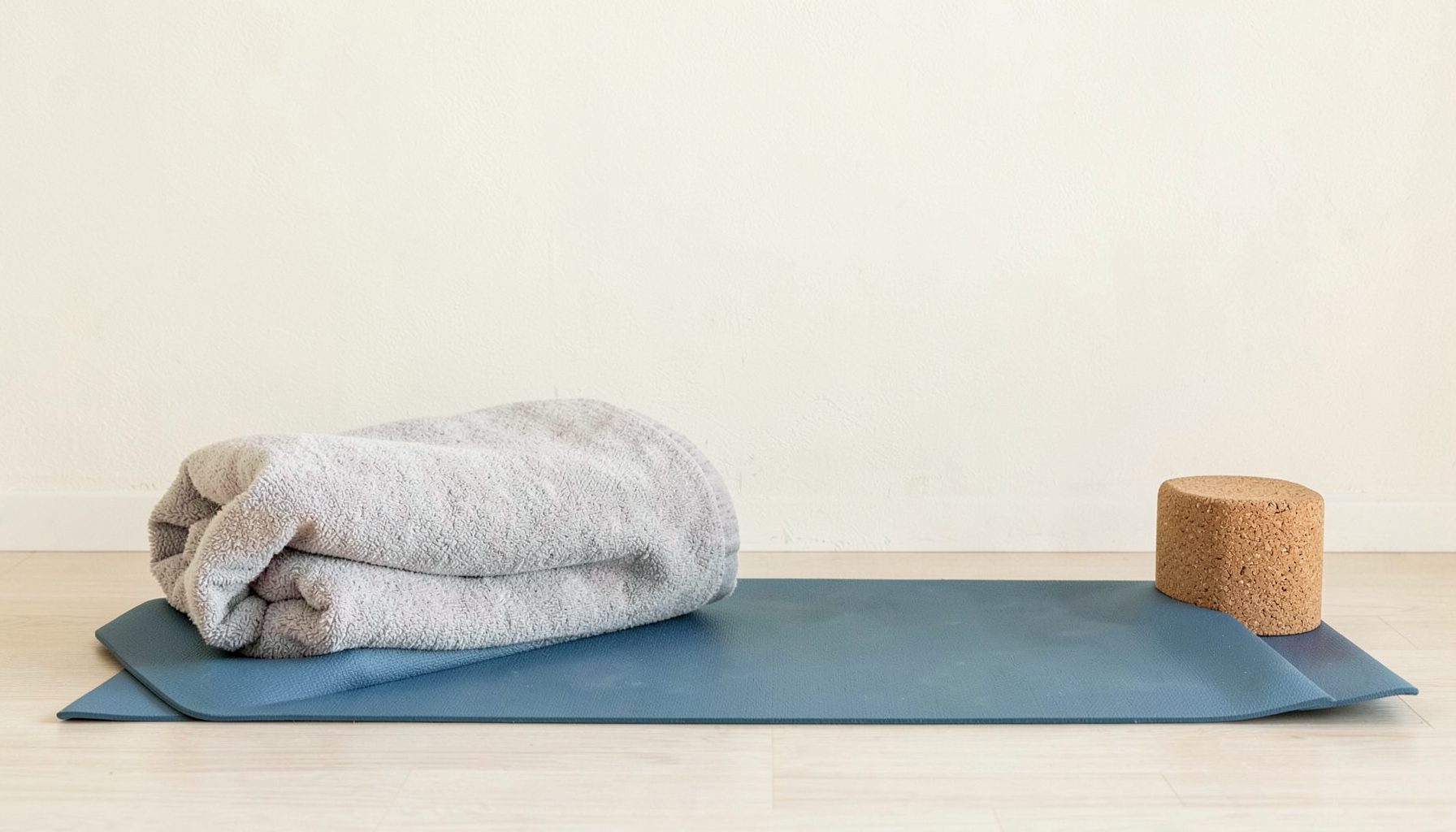
Props can make movement more accessible. A folded towel under the head, cushions beneath the knees and a wall beside you can reduce effort and offer reassurance. If getting down to the floor feels difficult, practise seated on a dining chair. Yoga can include ankle circles, shoulder rolls, hand movements and conscious breathing; it does not require a mat or a particular level of flexibility.
Australian conditions may shape how and when you practise. A cool early morning in Melbourne can invite warming movements, while a hot Brisbane afternoon may call for a shorter, slower sequence with water nearby. In Sydney or Perth, the sound of rain, traffic or neighbours may be part of the practice rather than something you need to eliminate. If you are attending a retreat in regional New South Wales or Victoria, check whether the schedule allows enough private downtime.
Gentle Movements For Mourning
Begin in a comfortable seated position or lie down with your knees bent. Let your hands rest wherever they feel natural. Notice three points of contact between your body and the ground, then make small movements that do not demand a particular emotional response.
Try these options slowly:
- Roll the shoulders up, back and down three times.
- Circle the wrists and ankles in both directions.
- Rock the pelvis gently forward and back while seated.
- Stretch one arm overhead, then release it without strain.
From hands and knees, you might move through a very small version of cat and cow, allowing the spine to follow the breath without exaggeration. A supported child’s pose can offer inward attention, but it is not suitable for everyone; resting your forearms on a chair may feel safer. Standing beside a wall, explore a slow side stretch or lift the heels and lower them again, noticing balance and support.
A grief-sensitive sequence might include mountain pose, a few shoulder rolls, a supported forward fold and a reclining twist with cushions. Hold each position for only a few breaths, and leave space between movements. If closing your eyes feels uncomfortable, keep them open and soften your gaze towards a stable point in the room. The practice should help you feel more present, not less connected to your surroundings.
For printable sequences, guided meditations and reflections that support a sustainable home practice, explore these gentle yoga resources. Choose material that feels appropriate for your current energy rather than selecting the most challenging option.
Breath, Stillness And Emotional Care
Breathwork can be useful during grief when it remains natural and unforced. Begin by noticing the breath rather than changing it. Feel the ribs widen, the belly move or the air pass through the nostrils. If counting helps, try breathing in for three and out for four, stopping immediately if the longer exhale feels uncomfortable or brings up anxiety.
Humming, sighing or softly repeating a phrase can provide a gentle sensory anchor. You might use words such as “I am here,” “This moment is enough” or “I can go slowly.” These phrases do not need to make you feel positive. Their purpose is to offer steadiness when the mind is caught in painful loops.
Stillness can be restorative, but it can also feel confronting. If lying quietly makes thoughts louder, practise with the lights on, sit near a doorway or keep a hand moving across the opposite forearm. A walking meditation may be more supportive than seated meditation: take ten slow steps, feel each foot land and name five things you can see.
Yoga is a complement to emotional support, not a replacement for it. A grief counsellor, psychologist, GP or trusted community service may be important, especially if daily functioning has become very difficult. In Australia, your GP can help you explore mental health support, while services such as Lifeline Australia can provide immediate assistance when distress feels unsafe or unmanageable.
Building A Sustainable Ritual
A small, repeatable ritual often serves grief better than an ambitious schedule. Five minutes after waking, a pause before sleep or a short practice after returning from work can become a dependable point of contact with yourself. You may light a candle, place a flower in a bowl, sit beneath a tree or play a piece of instrumental music. These gestures can acknowledge the person or experience you miss without requiring you to speak about it.
Use the table below as a guide rather than a set of rules. Your needs may change from morning to evening or from one week to the next.
| Energy or emotional state | Supportive practice | Helpful adjustment |
|---|---|---|
| Very low energy or numbness | Seated breathing, hand movements, gentle ankle circles | Keep the practice under five minutes |
| Restlessness or agitation | Slow walking, standing side bends, supported forward folds | Keep the eyes open and move continuously |
| Tearfulness or emotional intensity | Child’s pose with support, humming, hand on chest | Sit up or pause if inward focus feels too strong |
| Difficulty sleeping | Legs supported on a chair, long relaxed exhale, body scan | Avoid forcing sleep or holding the breath |
| Need for connection | Small group class, outdoor walking practice, shared meditation | Tell the teacher or companion what support you need |
Helpful ways to keep a grief practice manageable:
- Set a timer for five to ten minutes.
- Keep a cushion or chair ready before you begin.
- Finish with a clear transition, such as tea or a short walk.
- Record how you feel afterwards without judging the session.
Signs to soften or stop include:
- Dizziness, breathlessness or physical pain.
- A sudden sense of panic or disconnection.
- Pressure to perform, achieve or feel better.
- Emotional distress that continues well after practice.
The Australian calendar may also influence your ritual. A remembrance practice around Anzac Day, a family birthday, Christmas or a birthday that will not be celebrated in the same way can bring strong feelings to the surface. Planning a gentle sequence, supportive meal or quiet walk for those dates may create a little structure around an unpredictable day. Near the ocean in Adelaide, along the Yarra in Melbourne or in a local park in Canberra, mindful walking can bring movement and place together without demanding silence.
Let the practice remain responsive. Some days, a few stretches may make room for tears. Other days, movement may simply help you shower, eat breakfast or step outside. Both outcomes matter. The next concrete step is to place a cushion beside a chair tonight and practise three minutes of seated breathing and shoulder movement tomorrow morning.