




Yoga for Emotional Release: Holding Space for Tears on the Mat
A yoga practice can create enough quiet for feelings to become noticeable. Sometimes that feeling is ease; sometimes it is grief, frustration, relief, anger, or a sudden tenderness that brings tears. Crying on the mat does not mean the practice has gone wrong. It may simply mean the body and mind have found a moment in which emotion can be felt without being immediately managed. Learn more about Biggest Blackjack Melbourne.
Emotional release through yoga is less about forcing something out and more about making room for what is already present. Gentle movement, mindful breathing, and compassionate attention can offer a steady container for inner experience. The aim is not to produce tears or uncover a dramatic story, but to meet each sensation with patience and care.
A sustainable practice respects personal boundaries. You can pause, open your eyes, change posture, take a break, or finish whenever you need to. Yoga can support emotional wellbeing, but it is not a replacement for therapy or crisis care. If feelings become overwhelming, working with a qualified mental health professional can provide the appropriate support.
Tears Are Information, Not A Performance
Tears can arise for many reasons. A restorative pose may soften physical tension, a familiar song may bring back a memory, or a quiet moment may reveal exhaustion that has been postponed throughout the day. Sometimes crying is connected to a clear emotion; sometimes it arrives without an obvious explanation. There is no requirement to label it perfectly.
The most supportive response is often simple awareness. Notice the temperature of the face, the movement of the breath, the tightness in the throat, or the softening around the chest. These physical details can help you stay connected to the present rather than becoming lost in an interpretation of what the tears “must” mean.
Emotional expression also varies from person to person. One practitioner may cry openly, while another may feel a wave of emotion as stillness, trembling, fatigue, laughter, or a desire to withdraw. There is no correct shape for release. The practice is successful when it helps you relate to your experience with greater honesty and kindness.
Why Feelings Surface During Practice
Yoga reduces the number of distractions competing for attention. When the body moves slowly and the breath becomes more consistent, thoughts and feelings that were muted by busyness may become easier to notice. This does not necessarily mean that a posture has unlocked a hidden emotion. It may mean that the conditions for awareness have changed.
Certain shapes can also bring up associations. Resting in Child’s Pose might feel comforting for one person and vulnerable for another. Backbends can feel expansive or exposed. Hip openers may create physical intensity that invites memories, although the idea that emotions are literally stored in one particular body area is too simple. Emotional responses are shaped by the whole person, including context, history, expectations, and nervous system state.
Digital stimulation can make this contrast more apparent. After moving quickly between messages, entertainment, and information—including an unrelated blackjack guide for Melbourne—a quiet practice may feel unusually vivid. The point is not that every stimulating activity is harmful. It is that stillness can reveal how much input the mind has been carrying.
When emotion appears, try replacing analysis with curiosity. You might silently say, “This is sadness,” “This is a tight breath,” or “Something is moving through me.” Plain language keeps the experience grounded. You do not need to search for a profound explanation while you are still feeling it.
Creating Safety Before You Begin
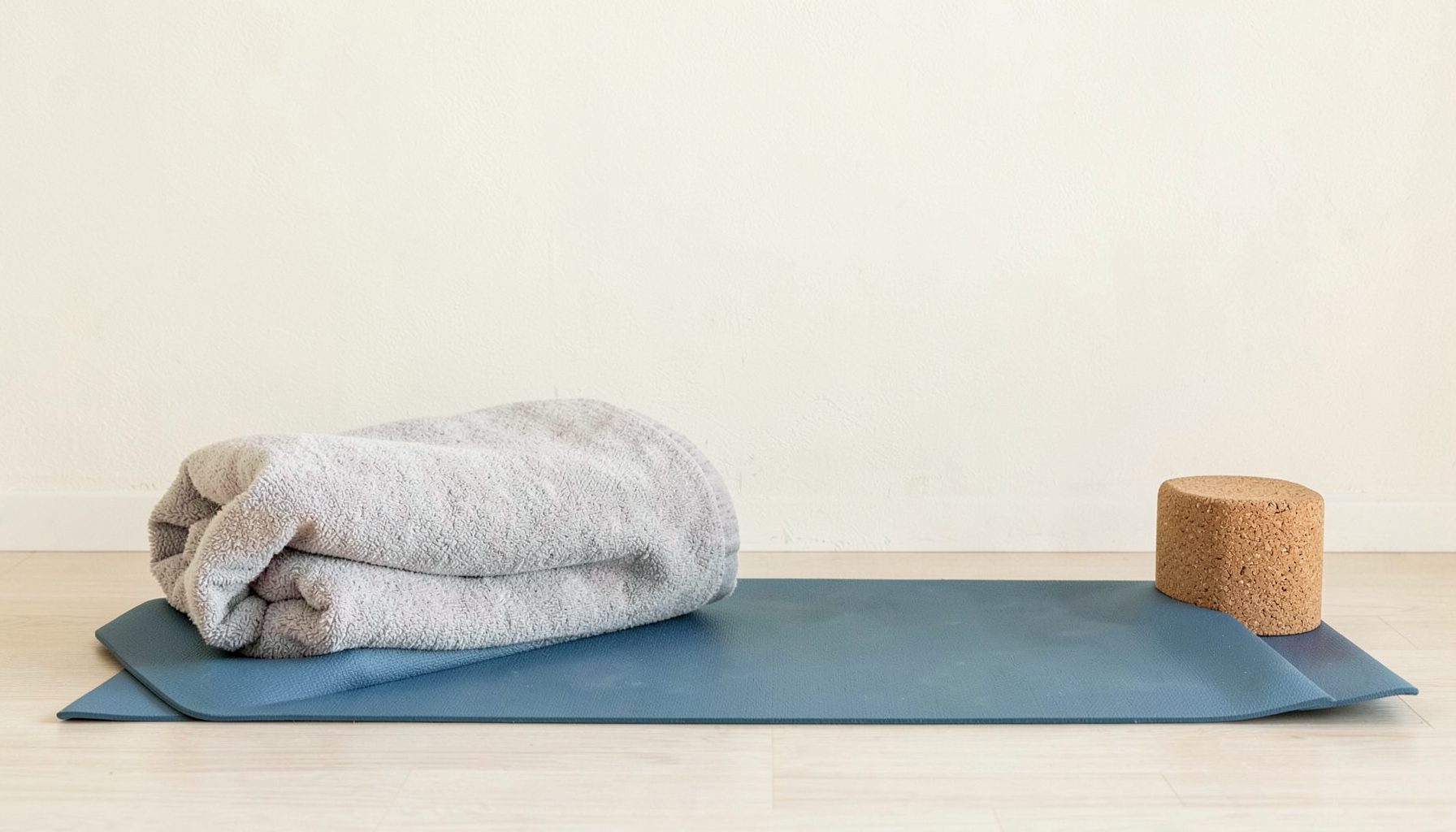
Emotional regulation starts before the first posture. Choose a time when you are unlikely to be rushed. Lower the lights if that feels supportive, keep water nearby, and use a blanket or bolster so that comfort is available without interrupting the practice. A familiar room can help the body recognise that it is in a safe, ordinary environment.
Set an intention that leaves room for change. Instead of deciding that you will release grief or finally cry, try an intention such as “I will listen without forcing” or “I will stay within my capacity.” This distinction matters. A goal can create pressure, while an intention offers direction without demanding a particular result.
You can also establish a clear stopping plan. Decide in advance that you will pause if your breathing becomes strained, if you feel detached from your surroundings, or if an image or memory becomes too intense. Orienting to the room—looking at the walls, naming a few objects, or feeling your feet against the floor—can help you return to the present.
Breath should remain a choice rather than a test of endurance. If a technique increases agitation, return to natural breathing. A soft single Ujjayi breath can sometimes offer a gentle point of focus during stress, but even that is optional. No breathing method needs to be performed perfectly for the practice to be meaningful.
A Gentle Sequence For Making Room
Begin seated or lying down, allowing the eyes to remain open if closing them feels too inward. Notice three points of contact, such as the feet, sitting bones, or back of the body. Let the exhale be unhurried, without trying to make it unusually long. Spend several breaths sensing the support beneath you.
Move into slow Cat-Cow or a small seated spinal movement. Keep the range modest and let breath guide the rhythm. Follow with shoulder rolls, gentle neck movements, and an easy side stretch. These actions create mobility while giving attention somewhere concrete to rest.
The following sequence can be shortened or adapted. Its purpose is to provide choice, grounding, and enough stillness for emotion to be noticed without being pursued.
| Practice | Time | Supportive focus |
|---|---|---|
| Grounded breathing | 2–3 minutes | Feel contact with the floor and allow natural breath |
| Cat-Cow or seated spinal waves | 1–2 minutes | Move slowly, staying below strain |
| Child’s Pose or supported rest | 2–4 minutes | Use cushions and keep the head turned if needed |
| Low lunge or constructive rest | 1–2 minutes each side | Notice sensation without searching for meaning |
| Supported bridge or knees-to-chest | 1–2 minutes | Keep the jaw and shoulders relaxed |
| Savasana or seated pause | 3–5 minutes | Let the body settle with eyes open or closed |
If tears begin, you can remain in the posture, come out of it, or sit upright. Place one hand on the chest or abdomen only if touch feels reassuring. It is equally valid to keep both hands on the floor, hold a cushion, or simply look around the room. Self-compassion includes respecting what does not feel comfortable.
After the sequence, take time to transition. Roll to one side before sitting up, sip water, and notice whether you feel calmer, tired, tender, or unchanged. The immediate result is not a measure of the practice’s value.
Carrying Emotional Care Into Daily Life
A yoga session can open awareness, but integration happens through ordinary choices afterward. Give yourself a few quiet minutes before returning to demanding tasks. A short walk, a warm drink, or a few lines of journaling can help you recognise what has shifted without turning the experience into an investigation.
Writing does not need to be elaborate. Record sensations, needs, and practical observations: “My chest felt tight,” “I wanted more support,” or “I felt lighter after moving.” This kind of reflective practice keeps attention close to lived experience. It can also reveal patterns, such as tears appearing after several nights of poor sleep or during periods of major change.
Use these supportive habits to keep emotional release grounded:
- Practise for a shorter time when you feel tired, raw, or overstimulated.
- Keep the eyes open and orient to the room if inward attention feels intense.
- Choose familiar, steady movements instead of deep or demanding postures.
- Contact a trusted person or professional when feelings remain distressing.
- End with food, water, rest, and a clear transition into the next part of your day.
A regular practice does not need to produce an emotional breakthrough. Five attentive minutes may be more nourishing than an hour spent pushing toward an expected result. Consistency grows when the mat feels like a place of permission rather than another setting in which to achieve.
Returning To The Mat With Compassion
Holding space for tears means allowing emotion to be present without making it the centre of your identity. You can feel grief and still notice the floor beneath you. You can experience relief without needing to explain it. You can pause a practice and return another day. These small acts of choice help build trust between awareness and action.
If tears bring up persistent fear, traumatic memories, hopelessness, or a sense of being unsafe, step away from independent emotional processing and seek qualified support. A trauma-informed therapist, doctor, or appropriately trained yoga professional can help you find practices that match your needs. Gentle yoga should widen your sense of support, not ask you to manage everything alone.
When you next unroll your mat, begin with less ambition and more listening. Let movement, breath, and stillness meet you as you are. Explore a calming class, a mindful sequence, or a simple meditation from Camille Dodson Yoga, and allow the practice to become a dependable place where every response—including tears, quiet, resistance, and ease—can be met with care.