
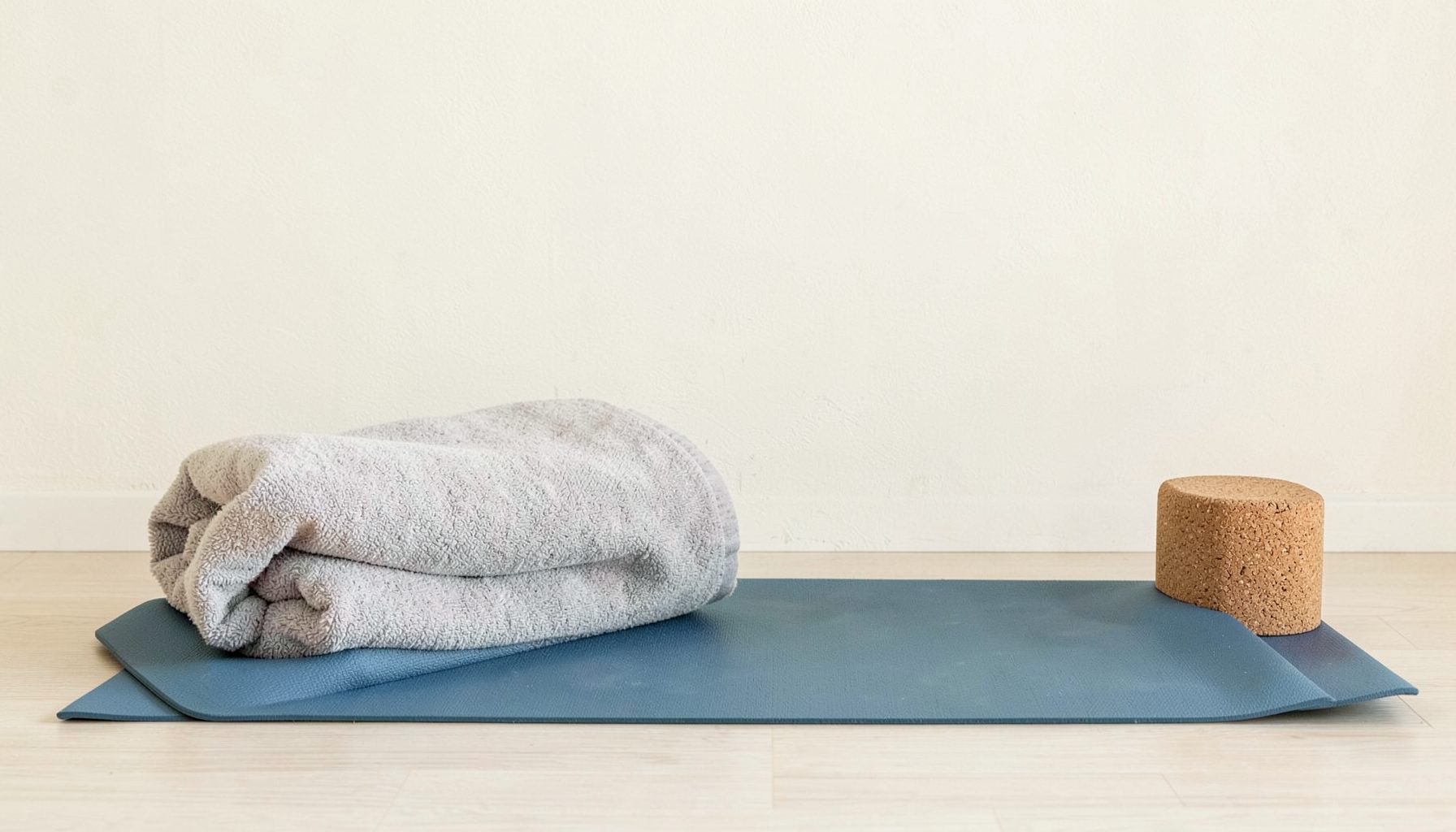




Yoga for Emotional Release: Letting Tears Flow with Care
Emotions live in the body as much as they move through the mind. A tight jaw, heavy chest, restless hands or a clenched belly can all signal feelings that have been held back while you manage work, family, study and ordinary responsibilities. Gentle yoga creates a little space around those sensations, allowing them to be noticed without needing to explain them immediately.
Tears may appear during a quiet forward fold, a supported heart opener or a few minutes of steady breathing. They may also not appear at all. Emotional release is not measured by how intensely you cry, and a calm practice can be deeply meaningful even when it feels subtle. The aim is to meet your inner experience with kindness rather than force a dramatic response.
For many people in Australia, a yoga practice has to fit around early commutes in Melbourne, humid summer afternoons in Brisbane, school runs in Perth or long stretches of desk work in Sydney. It does not need to be an elaborate ritual or a large studio commitment. A towel, a clear patch of floor and ten unhurried minutes can be enough to begin reconnecting with yourself.
A mindful practice can support emotional awareness, but it is not a replacement for mental health care. If tears are connected with trauma, grief, panic or ongoing depression, a psychologist, counsellor or appropriately trained health professional can offer support that yoga alone cannot provide. The practice is a place to listen, not a test of how much discomfort you can tolerate.
Understanding emotional release in the body
Emotional release is often described as letting stored feelings move through the body. That language can be helpful, although it is not necessary to believe that emotions are literally trapped in a particular muscle. A more grounded view is that stress can influence breathing, posture, muscle tone, attention and nervous system responses. When those patterns soften, feelings may become easier to recognise.
Tears can be part of that process. They might bring relief, tenderness, anger, sadness or no clear story at all. Sometimes the body simply responds to stillness after a busy day. You do not need to identify the perfect cause before allowing the experience to be present. Notice what is happening, name it gently if you can, and let the moment remain unfinished.
A yoga class should never require emotional exposure. A teacher may invite awareness of the breath or sensations, but you are entitled to keep your eyes open, change the posture, skip an exercise or leave the room. Consent applies to internal exploration as well as physical adjustments.
Why tears may arise during yoga
Stretching, slow movement and conscious breathing can reduce the distractions that keep difficult feelings at a distance. When you stop rushing, the mind may notice grief that was postponed, frustration that was swallowed or exhaustion that had been disguised as productivity. A quiet room can make an ordinary feeling seem louder simply because there is finally room to hear it.
Postures themselves do not have fixed emotional meanings. Hip openers do not automatically release stored sadness, and backbends do not guarantee confidence or joy. Bodies and histories differ. If a particular pose brings tears, that response belongs to your experience rather than to a universal rule about what the pose is supposed to unlock.
Try replacing the question “Why am I crying?” with “What do I need right now?” The answer may be water, warmth, a blanket, less intensity, a walk outside or the reassuring presence of another person. Emotional awareness becomes supportive when it leads to care rather than self-judgement.
Creating a safe space for practice
Choose a time when you are unlikely to be interrupted. In an Australian summer, that might mean practising before the heat builds, rather than pushing through a demanding sequence in a stuffy room. In winter, warm socks, a jumper and a folded blanket can help your body feel secure enough to soften. Comfort is a practical part of emotional regulation, not an indulgence.
Keep the environment simple. Dim lighting, quiet music or no music, and a phone placed out of reach may help you stay connected to your breathing. Have water nearby and decide in advance how you will finish. A short walk, a shower, a cup of tea or a phone call can provide a gentle transition back into the day.
If you are attending a paid class or retreat, check the teacher’s training, cancellation terms and approach to emotional wellbeing. Australian Consumer Law applies to services sold to consumers, including many fitness and wellness offerings, so clear information about inclusions and refund conditions matters. A responsible provider will avoid promising healing outcomes and will respect your boundaries.
For accessible guidance on mindful movement, meditation and sustainable practice, Camille Dodson Yoga offers a calm starting point for exploring classes, retreats and downloadable resources without treating emotional intensity as the goal.
A gentle sequence for letting feelings move
Begin in a supported resting shape. Lie on your back with your knees bent, or rest on your side with a cushion beneath your head. Place one hand on your chest and one on your abdomen if that feels comfortable. Spend five slow breaths noticing contact with the floor, the weight of your body and the temperature of the air.
Move into a simple cat-cow variation on hands and knees, or practise the movement seated if getting down to the floor is difficult. Let the spine round and lengthen within a small, comfortable range. Follow each movement with an easy breath, avoiding exaggerated inhalations. Continue for one or two minutes, then pause and notice whether you feel more settled, activated or unchanged.
Next, try child’s pose with your knees wide and your forehead supported by a cushion. You can remain upright, sit in a chair or lie on your back instead. Allow the exhale to lengthen naturally, but do not hold the breath or push for a deeper fold. Stay for five to eight breaths, giving yourself permission to come out whenever the shape stops feeling kind.
Finish with a supported heart opener: lie back over a bolster or folded blankets, keeping the head and neck comfortable. If this feels vulnerable, replace it with a side-lying position. Rest for several breaths, then roll to one side before sitting up. The most important part of the sequence is the ability to stop.
Using breath and mindfulness without forcing a response
Breathwork for emotional wellbeing should feel steady, ordinary and manageable. Try inhaling through the nose for a comfortable count and exhaling without strain. There is no need to make the breath unusually deep. If counting creates pressure, release the numbers and notice the natural rhythm instead.
A useful mindfulness practice is to describe sensations with neutral words: warm, tight, fluttering, heavy, cool or spacious. You can also identify three things you see, two things you hear and one point of contact in the body. These grounding techniques keep attention connected to the present when emotion begins to rise.
If breath retention, rapid breathing or intense visualisation makes you dizzy, panicked or detached, stop and return to normal breathing. Sit upright, open your eyes and look around the room. Trauma-sensitive practice usually favours choice, predictability and present-moment orientation over pushing through a strong reaction.
Crying may come in waves. Let the tears fall if they are coming, but do not use breath or posture to intensify them. A few quiet tears can be enough. So can a sigh, a yawn, a sense of warmth or the simple recognition that you have been carrying more than you realised.
When emotion feels too big
Strong feelings deserve a slower response. Signs that you should pause include feeling disconnected from your surroundings, struggling to breathe normally, becoming overwhelmed by memories, shaking uncontrollably or feeling unable to return to the present. Move into a familiar position, place both feet on the floor and orient yourself to the room.
You can support yourself with practical sensory cues. Hold a cool glass of water, name the date and location, wrap yourself in a blanket or stand near an open window. If you are alone and feel unsafe, contact someone you trust. In Australia, Lifeline can be reached on 13 11 14, and immediate danger requires calling 000.
A teacher should not pressure you to disclose personal history or interpret your tears. If a class regularly encourages students to reopen painful experiences without adequate support, it may not be the right setting. Seek a registered psychologist, counsellor or GP when emotional reactions are persistent, interfere with daily life or feel difficult to manage.
Yoga can complement professional support by helping you notice body signals and practise self-compassion between appointments. It should never be used to prove that you are healed, spiritually blocked or responsible for every feeling that arises.
Bringing the practice into everyday life
Emotional release does not end when you roll up the mat. You may feel tender, tired, clear or completely ordinary afterwards. Give yourself a few minutes before driving, returning to a busy workplace or making a significant decision. Eat something nourishing if you are hungry and choose gentle movement rather than immediately filling the space with tasks.
A short practice can fit into everyday Australian routines. Try three minutes of breathing after commuting, a seated stretch before opening your laptop, or a quiet body scan after the children are in bed. If you already use a gym, strength training and yoga can sit alongside each other; a local movement space may offer a useful reminder that physical wellbeing can include both effort and recovery.
Keep a simple note after practice: what you did, what you noticed and what helped you feel grounded. Avoid rating the session as successful or unsuccessful. Over time, this record may show patterns, such as needing more rest before your period, becoming tense after particular workdays or responding well to outdoor movement.
Self-compassion means allowing the body to have limits. You might leave a posture early, replace a class with a walk or decide that today is for lying down. Sustainable yoga is built through repeated acts of respect, not through forcing a breakthrough.
Let tears be welcome when they arrive, and let them remain absent when they do not. The deeper practice is learning that every response has room: sadness, relief, numbness, laughter, resistance and quiet. With patience, movement and appropriate support, you can become more familiar with your emotional landscape without needing to conquer it.
Place a folded blanket on the floor tonight, practise five minutes of supported breathing, and finish by writing one sentence about what your body needs next.