
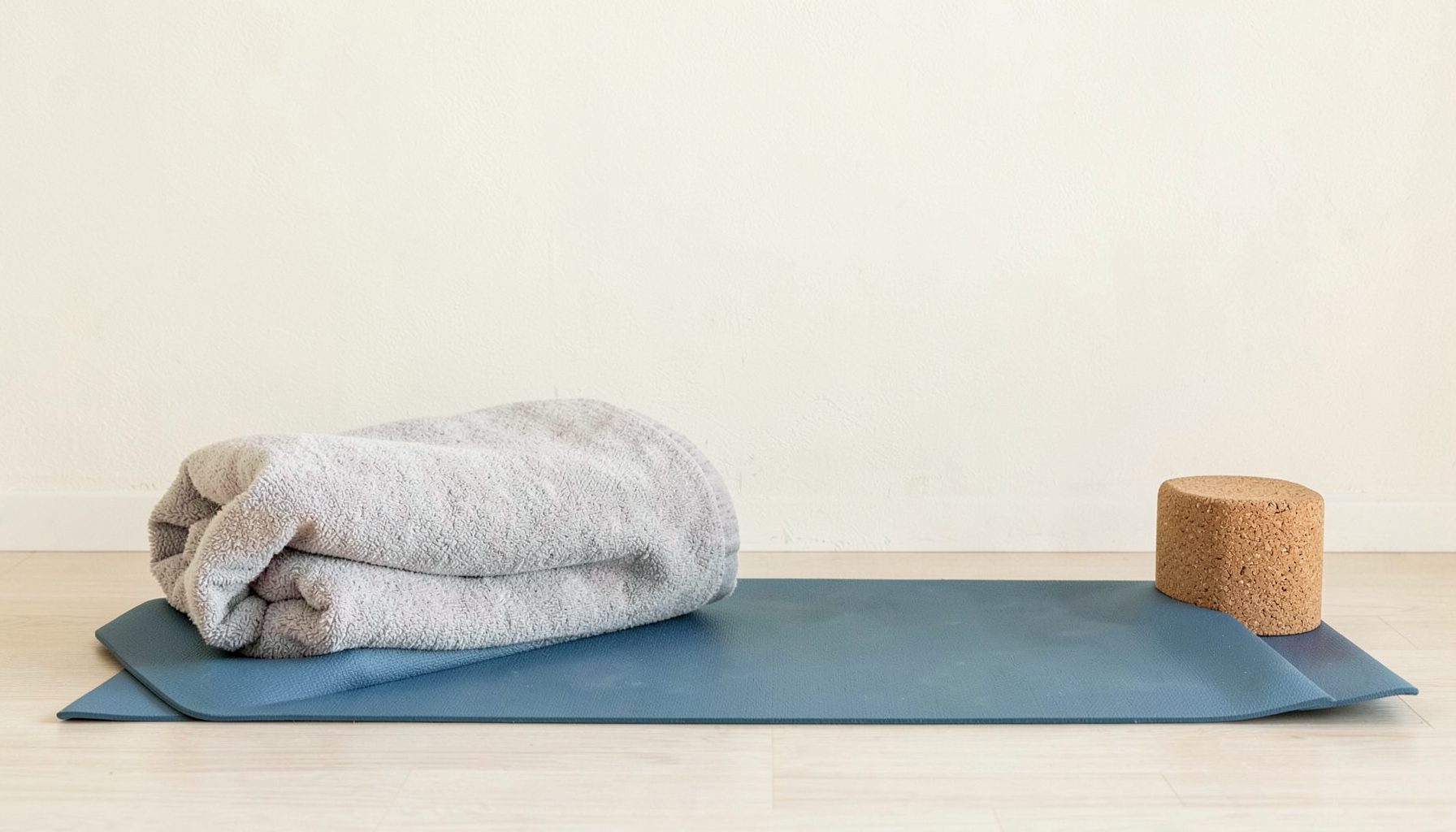




Gentle yoga for digestion: twists and abdominal massage
Digestion is influenced by much more than food. The nervous system, breathing pattern, posture, daily movement, hydration, sleep, and emotional state can all affect how comfortably the body processes a meal. A gentle yoga practice can support this whole-body rhythm by encouraging relaxed breathing, easy movement, and a less hurried relationship with the body.
Twists and abdominal massage are often included in yoga sequences for digestive support. Twisting movements can bring awareness to the waist and abdomen, while massage may create a soothing sensory experience around the belly. Neither should be forced or treated as a way to “wring out” the organs. Their value is found in mindful movement, comfortable pressure, and the calm attention they invite.
The practices below are designed to be accessible and adaptable. For a wider range of gentle classes, mindful resources, and sustainable ways to practise, explore Camille Dodson Yoga as part of your ongoing approach to movement and self-care.
How movement relates to digestion
The digestive system works alongside the parasympathetic nervous system, often associated with rest, restoration, and ease. When you are tense, rushing, or holding your breath, the body may be less receptive to the quieter processes of digestion. Slow yoga does not control these processes directly, but it can help you shift attention away from stress and toward steadier breathing.
Gentle movement also gives the torso opportunities to lengthen, rotate, and soften. This may help you notice areas of tightness around the ribs, waist, hips, and abdomen. A few unhurried movements after a meal can feel more supportive than an intense workout, especially when the goal is comfort rather than performance.
Timing matters. Vigorous exercise immediately after eating may feel unpleasant, while relaxed walking, seated breathing, or small-range stretches can be easier to tolerate. If you are practising twists for digestive comfort, leave enough time after a substantial meal for your body to settle. The right timing depends on the person, the meal, and your usual energy levels.
Practising twists with ease
A twist begins with length, not force. Before rotating, allow the spine to rise naturally and let the breath move into the ribs. Then turn gradually from the upper body while keeping the pelvis relatively steady. The movement should feel spacious and controlled, never compressed or sharp.
A seated twist can be practised on a chair, cushion, or the floor. Sit tall, place one hand behind you and the other on the opposite thigh, then turn gently toward the side. Keep both sitting bones as grounded as is comfortable. Stay for three to five slow breaths, releasing on an exhalation without trying to move farther each time.
A lying twist may feel more restful. From your back, draw the knees toward the chest and let them move a little to one side. Open the arms if that feels comfortable, or keep the hands on the ribs for support. The knees do not need to reach the floor. A folded blanket beneath them can reduce strain and allow the abdomen to soften.
A simple sequence for a settled belly
Begin with one or two minutes of diaphragmatic breathing. Lie down or sit comfortably, place one hand on the upper chest and one on the abdomen, and notice which hand moves most. Without trying to create a large breath, invite the lower ribs and belly to expand gently on the inhale. Let the exhale be quiet and unforced.
Move into cat-cow with a small range of motion if being on hands and knees feels good. As you inhale, lengthen the front of the spine; as you exhale, round slightly and draw the navel inward without gripping. Five to eight rounds are enough. You can practise the same spinal wave seated if kneeling is uncomfortable.
Next, try a supported child’s pose or a wide-knee resting shape. Place a bolster or pillows beneath the chest so the abdomen is not compressed. After several breaths, come to a seated twist on each side, followed by a gentle lying twist. Finish with constructive rest: lie on your back with knees bent and feet on the floor, allowing the belly and jaw to relax.
The sequence can take five minutes or twenty. Its purpose is to create a sense of connection and ease, rather than to achieve a particular shape. If any movement increases cramping, nausea, reflux, or pain, return to comfortable breathing or stop the practice.
| Practice | How to explore it | Possible supportive quality | Useful timing |
|---|---|---|---|
| Seated twist | Lengthen the spine, then rotate slowly from the ribs | Brings mobility and awareness to the torso | Before meals or several hours afterward |
| Supine knee drop | Let bent knees move gently side to side | Encourages relaxation through the back and waist | During a restorative evening practice |
| Cat-cow | Coordinate small spinal movements with the breath | Warms the spine and links movement with breathing | As a preparation for twists |
| Abdominal breathing | Let the lower ribs widen without forcing the belly | Settles attention and reduces unnecessary gripping | Before or after a meal |
| Supported child’s pose | Rest the chest on cushions and soften the abdomen | Offers a quiet, grounding pause | When energy is low or the body feels tense |
Abdominal massage and mindful touch
Abdominal massage can be a simple way to bring warmth and attention to the belly. Begin by lying down with the knees bent or sitting in a supported position. Warm your hands by rubbing the palms together, then rest them over the abdomen without moving. Notice temperature, pressure, and the natural movement of the breath.
If the touch feels pleasant, make slow clockwise circles around the belly. Keep the pressure light, particularly near the lower ribs and pelvic bones. You can begin with broad circles over the whole abdomen and gradually make smaller circles. There is no need to press deeply or follow a precise route for the practice to be worthwhile.
Another option is a gentle sweeping motion from the right side of the abdomen across the upper belly and down the left side, following the general direction of the large intestine. This is not a medical treatment and should never be used to push through discomfort. Think of it as soothing contact that supports body awareness.
Use a small amount of unscented oil if desired, and avoid massage over irritated skin. Some people prefer practising in the evening or before bed, while others find it calming after a warm shower. Keep the breath natural and stop if you notice pain, dizziness, increased nausea, or a feeling of pressure that does not settle.
Adapting the practice for different bodies
There is no single ideal twist. A person with limited spinal mobility may benefit from turning only a few degrees, keeping the head facing forward, or practising against the back of a chair. Someone with sensitive knees can place the feet wide or use a reclined version. Props are useful because they reduce the need to hold the body up while trying to breathe comfortably.
If you experience reflux, avoid deep forward folds or strong abdominal compression soon after eating. An upright seated practice, gentle side bend, or slow walk may be more comfortable. If bloating makes lying down unpleasant, stay elevated with cushions or practise in a chair.
Pregnancy, recent abdominal surgery, hernia, inflammatory bowel conditions, unexplained digestive symptoms, and significant pelvic pain require individual guidance. Strong twists and abdominal massage may not be appropriate in these circumstances. Seek advice from a qualified healthcare professional or experienced prenatal yoga teacher before adapting the practice.
Pain is different from effort. A mild stretch, warmth, or increased awareness may be acceptable, but sharp, burning, pulling, or worsening sensations are signals to stop. Yoga should offer room to listen rather than pressure to continue.
Building a sustainable routine
Consistency is more useful than intensity. A short practice three or four times a week may be easier to maintain than an ambitious routine that leaves you tired or uncomfortable. You might use two minutes of abdominal breathing before breakfast, a few seated movements during a work break, and a supported twist in the evening.
Keep track of how you feel rather than looking for immediate results. Notice whether your breath is slower, your abdomen feels less guarded, or your transition from meals to other activities becomes calmer. Digestive comfort can vary for many reasons, so avoid judging the practice by a single day.
A gentle routine can also include walking, adequate fluids, regular meals, and time to eat without distraction. These habits do not need to become strict rules. They are invitations to create conditions in which the body can perform its ordinary work with less interruption.
Helpful ways to keep the practice supportive
- Practise with a relaxed breath and use a smaller range of motion than you think you need.
- Leave space after larger meals, choosing walking or upright breathing if you feel full.
- Use cushions, a chair, or a bolster so the abdomen and spine can soften.
- Treat abdominal massage as light, soothing touch rather than deep pressure.
- Stop and seek professional guidance for persistent, severe, or unexplained digestive symptoms.
Listening beyond the pose
Yoga for digestion is most helpful when it becomes a practice of listening. The same movement may feel pleasant one day and unsuitable the next, depending on sleep, stress, food, illness, or hormonal changes. Adjusting the shape is not a failure; it is part of developing discernment.
Twists and abdominal massage can complement a broader self-care routine, but they cannot diagnose or resolve an underlying medical condition. Ongoing constipation, diarrhoea, severe bloating, vomiting, blood in the stool, unexplained weight loss, or persistent abdominal pain should be discussed with a healthcare professional. Immediate or severe symptoms need prompt medical attention.
Set aside a quiet few minutes today for breathing, a small seated twist, and gentle hands-on contact over the abdomen. Let the practice remain simple and comfortable, then return to it regularly through the classes, reflections, and resources available from Camille Dodson Yoga.