




Yoga for Better Posture: Strengthening the Upper Back
Posture is often treated as a matter of holding the body in the “right” position, yet sustainable alignment is less rigid than that. The upper back, shoulders, neck, ribs and breath work together constantly as you sit at a desk, carry shopping, look down at a phone or move through a busy day. A supportive posture gives these areas enough strength and mobility to share the work.
Yoga for better posture can help you build that support gradually. The focus is not on pulling the shoulders back all day or forcing the chest open. It is on strengthening the muscles around the shoulder blades, improving thoracic spine mobility, releasing unnecessary tension and developing awareness without self-criticism.
Why The Upper Back Matters
The upper back, or thoracic spine, sits between the neck and lower back. It is designed to move through flexion, extension and rotation, but long periods of sitting can make it feel stiff. When the thoracic spine has limited movement, the neck and shoulders may compensate, creating a sense of heaviness or strain.
Several muscles contribute to upper-back strength. The middle and lower trapezius help position the shoulder blades, while the rhomboids draw them gently towards the spine. The serratus anterior supports smooth shoulder movement around the rib cage. These muscles do not need to grip constantly; they need coordinated, responsive strength.
A rounded posture is also influenced by breathing habits. If the ribs feel compressed and the breath remains shallow, the body may tighten around the chest and neck. Slow breathing into the sides and back of the ribs can encourage a more spacious upper body without forcing the shoulders into an artificial shape.
Gentle Movements For Shoulder Blade Strength
A useful posture sequence begins with mobility before strengthening. Start in a comfortable seated position or on hands and knees. Move slowly through spinal flexion and extension, allowing the shoulder blades to spread as you round and draw closer together as you lengthen. Keep the movement small enough that the neck stays relaxed.
From hands and knees, practise scapular push-ups. Keep the elbows straight while you gently lower the chest between the arms, then press the floor away so the upper back broadens. This is a subtle movement rather than a deep push-up. It builds awareness of the shoulder blades and activates the serratus anterior, which can be underused when the shoulders slump forward.
Locust pose can strengthen the back body without requiring a large range of motion. Lie on your stomach with the forehead resting on the mat. On an inhale, lift the chest slightly and reach the arms back, keeping the back of the neck long. Think of lengthening through the crown of the head rather than lifting as high as possible. Hold for a few breaths, lower slowly and repeat two or three times.
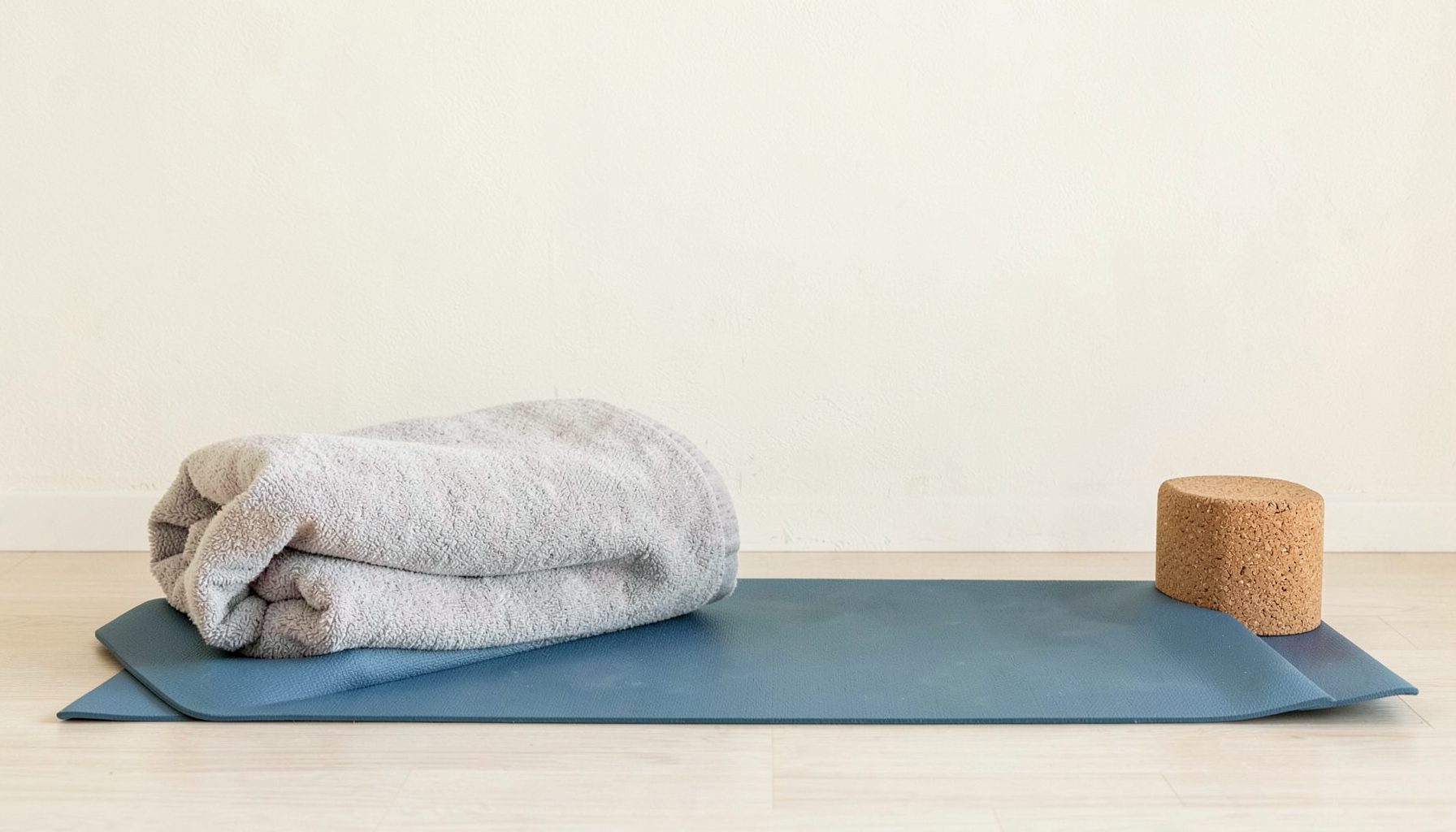
A supported variation is often more helpful than an ambitious one. Place a folded towel beneath the forehead if the neck feels strained, or keep the hands beside the ribs. If you feel pinching in the lower back or shoulders, reduce the height and focus on length through the spine.
Everyday Cues For More Comfortable Alignment
Good alignment needs to work in real life. You may spend a morning commuting across Melbourne, work from a home office in Brisbane, or sit through a long meeting in Sydney. The aim is not to maintain one fixed shape during all those activities. Instead, use simple cues that invite regular changes of position.
Try these reminders during the day:
- Let the crown of your head lift while your jaw stays soft.
- Allow the shoulder blades to rest down and wide rather than squeezing them together.
- Keep your ribs stacked comfortably over your pelvis as you breathe.
- Change position before stiffness becomes your main sensation.
When working at a screen, bring the monitor close to eye level and let the forearms rest where possible. A laptop stand or a few sturdy books can reduce the need to bend the neck. If you work at a kitchen bench, alternate standing and sitting rather than trying to create a perfect workstation for the entire day.
Australian summers can add another layer of tension. In a warm room, fatigue and dehydration may make the body collapse towards the desk or steering wheel. Take a few breaths before reaching for the air conditioner remote, soften the shoulders and stand up for a brief movement break. Postural support is easier when the whole system has enough energy.
Breathwork And Mobility For A Spacious Chest
Many people try to correct rounded shoulders by thrusting the chest forward. This can create tension in the lower ribs, back and neck. A better approach is to explore movement around the upper spine while keeping the breath smooth.
Try a seated thoracic rotation. Place one hand on the opposite thigh and the other hand behind you. Inhale to lengthen through the spine, then turn gently on the exhale. Keep the pelvis grounded and let the rotation begin around the ribs. Repeat on both sides without pulling on the neck or forcing the shoulder back.
Thread-the-needle is another calming option. From hands and knees, slide the right arm beneath the left, lowering the right shoulder towards the mat. Breathe into the back of the ribs for several cycles, then press into the left hand to return. Repeat on the other side. This movement combines upper-back rotation with a gentle release through the rear shoulder.
You can also practise constructive rest on your back with the knees bent and feet supported. Place one hand on the upper chest and one on the side ribs. Notice whether the lower hand moves as you breathe. Over time, this can help you sense the relationship between breath, rib movement and spinal alignment. Five quiet minutes may be more useful than forcing a deep stretch when you are already tired.
A Balanced Weekly Rhythm
Upper-back strength develops through regular, manageable practice. A short sequence performed several times a week can be more sustainable than one demanding session followed by soreness. Include both strengthening and mobility, and allow enough recovery for your body to adapt.
A simple weekly rhythm might include:
- Two or three short sessions with locust pose, scapular push-ups and gentle core work.
- Daily movement snacks such as shoulder circles, thoracic rotations or a walk.
- One longer, slower session focused on breath, mobility and relaxation.
You can explore available yoga classes when you would like guidance, a steady structure or the experience of practising with others. A teacher can offer variations for a sensitive neck, recovering shoulder or limited wrist mobility, helping you build confidence without treating discomfort as a test of commitment.
Rest is part of strengthening rather than a sign that you have fallen behind. The upper-back muscles need time to recover, particularly if you are adding resistance work, returning after illness or increasing your yoga frequency. A thoughtful rest-day guide can help you distinguish between restorative movement and the urge to keep pushing.
Making Posture Part Of Daily Life
Posture improves when awareness is woven into ordinary routines. While waiting for the kettle, notice whether your feet are grounded and whether your shoulders are bracing. When carrying a bag from the shops, change sides rather than allowing one shoulder to hike upwards. On a walk along a Sydney foreshore or a local suburban street, let your arms swing naturally and feel the ribs move with the breath.
Your phone can become a useful reminder rather than an automatic source of neck strain. Hold it a little higher, take regular pauses and bring your gaze towards the horizon. If you are reading on public transport in Adelaide or Perth, support your arms where possible instead of allowing the head to hang forward for the whole journey.
Small environmental changes can support your practice. Keep frequently used items within easy reach, place a cushion behind the lower back if it helps you sit comfortably, and avoid arranging your workspace so that you must twist repeatedly. These adjustments are not a substitute for movement, but they reduce the amount of effort required to stay at ease.
Pay attention to warning signs. Persistent pain, numbness, tingling, weakness or symptoms that travel into the arm deserve assessment from a qualified health professional. Yoga should remain adaptable: reduce the range, change the position or rest when a movement feels sharp, unstable or increasingly uncomfortable.
Begin today with three minutes: stand tall without stiffening, take five slow breaths into the side ribs, then complete five gentle scapular push-ups on hands and knees.