




Why Afternoon Yoga Can Transform Your Daily Rhythm
The afternoon is an overlooked time for yoga. Mornings often receive the most attention, associated with quiet routines, fresh energy and a clear start. Evenings can feel appealing because they offer a chance to slow down after work. Yet the middle and later part of the day has its own particular value: it gives you an opportunity to pause, reset and respond to what your body and mind actually need.
By afternoon, you have gathered information about your energy, mood and physical state. You may notice tight shoulders after hours at a desk, a restless mind after meetings, or a sense of heaviness following lunch. A gentle yoga session can meet those sensations as they are, rather than asking you to pretend that the day has not happened.
For people in Australia, an afternoon practice can fit naturally around real life. It may sit between a morning commute and the evening rush, after school pick-up, or during a quieter part of a flexible workday. In cities such as Sydney and Melbourne, where commuting can divide the day, even thirty minutes of movement can create a useful boundary between responsibilities.
Practising later does not require a demanding sequence or a perfect timetable. Breathwork, mindful movement, restorative postures and a few minutes of meditation can all support a sustainable routine. The aim is less about achieving an impressive pose and more about returning to yourself before the day carries you further.
Afternoon energy has a different quality
Many people experience a natural change in energy after midday. The bright urgency of the morning may have softened, while the fatigue of the evening has not yet arrived. This can make the afternoon a useful window for movement that is steady, attentive and moderately energising.
An afternoon yoga class can help you work with your existing energy rather than forcing a style that does not suit the moment. A few rounds of flowing movement may restore alertness, while standing postures can bring a sense of stability. If you feel depleted, supported forward folds, gentle twists and longer exhalations may be more appropriate.
This flexibility makes the practice accessible. You do not have to treat yoga as a test of discipline or intensity. Some days may call for strength and heat; others may benefit from stillness. Afternoon practice creates space to make that choice with greater awareness.
A natural pause in the working day
Sitting for long periods can affect the hips, spine, wrists and upper back. Australian work culture includes a wide range of office, home-based and hybrid arrangements, and each can encourage extended screen time. A brief afternoon sequence offers a practical way to interrupt these patterns before stiffness becomes the dominant feeling.
Movements such as shoulder rolls, cat-cow, low lunges and gentle side bends can counter the fixed shapes of desk work. Standing away from the computer also gives the eyes a break and allows breathing to become less shallow. Even a short practice can change how you approach the final hours of work.
The benefit is psychological as well as physical. A deliberate pause helps separate one task from the next, especially when emails and notifications make the entire day feel continuous. You can step away from work without needing to abandon productivity; a clearer mind often makes the remaining responsibilities easier to handle.
Supporting focus without relying on another coffee
The afternoon slump is often treated as a problem to solve with caffeine or sugar. A warm drink can be enjoyable, yet it may not address the underlying need for movement, fresh attention or rest. Yoga provides another way to respond to reduced concentration.
A short sequence that includes rhythmic movement and conscious breathing can help you feel more present. You might practise a few sun salutations at a slower pace, add standing balance postures, or spend several minutes with alternate nostril breathing if it feels comfortable. The purpose is to settle scattered attention rather than create strain.
In Brisbane and other warm parts of Australia, afternoon practice may need to account for heat. Choose a well-ventilated room, reduce the intensity during summer and keep water nearby. There is no need to reproduce the atmosphere of a heated studio; comfort and steadiness are more valuable than extra sweat.
Digestion and mindful nourishment
The hours after lunch can be a considerate time to explore the relationship between food and movement. A very strong practice immediately after eating may feel uncomfortable, while gentle breathing, seated awareness or a relaxed walk can support a sense of ease. Waiting until your meal has settled gives you more choice about the style of practice.
Pay attention to how different foods affect your energy. A heavy lunch may call for restorative postures, whereas a lighter meal might leave you ready for a more active sequence. Rather than following rigid rules, notice patterns with curiosity and avoid turning nutrition into another source of self-criticism.
For practical guidance on connecting food, awareness and yoga, mindful practice nutrition can offer a useful starting point. The broader principle is simple: nourishment and movement can support one another when you listen to your body instead of working against it.
Creating a bridge between work and home
The transition from work to home is often emotionally crowded. You may be carrying unfinished tasks, conversations, traffic stress or the mental list of everything that still needs doing. Afternoon or early evening yoga can become a bridge between these parts of the day.
This is especially relevant for people managing school pick-up, caring responsibilities or a long commute. A full class may not always be possible, but ten minutes on the floor can still mark a change in pace. Legs-up-the-wall, a supported child’s pose or a simple body scan can communicate that work has ended and recovery has begun.
Those living in Melbourne may also find that changing daylight and cooler weather influence when movement feels inviting, while people in Perth or Darwin may prefer to practise indoors during the hotter part of the day. Adapting the timing to local conditions makes the habit more realistic. A practice that fits your climate and commitments is more likely to remain part of your life.
Choosing the right style for the time of day
Afternoon yoga does not have to be vigorous. A mindful flow can lift energy, a slower hatha sequence can ease tension, and restorative yoga can provide a quiet reset. Breath-led movement is often especially helpful because it joins physical activity with an immediate sense of attention.
If you are beginning, try a sequence of five to eight movements rather than attempting a long class. Include a comfortable standing posture, a hip or shoulder release, one gentle twist and a few minutes of rest. Keep your breathing smooth and avoid pushing into pain, dizziness or breathlessness.
People who prefer guidance can browse explore yoga classes to find a format that suits their experience and available time. An online class may work well between meetings, while an in-person session can provide community and a clear commitment. Either option can support a compassionate practice when the teaching respects different bodies and energy levels.
Making the routine sustainable
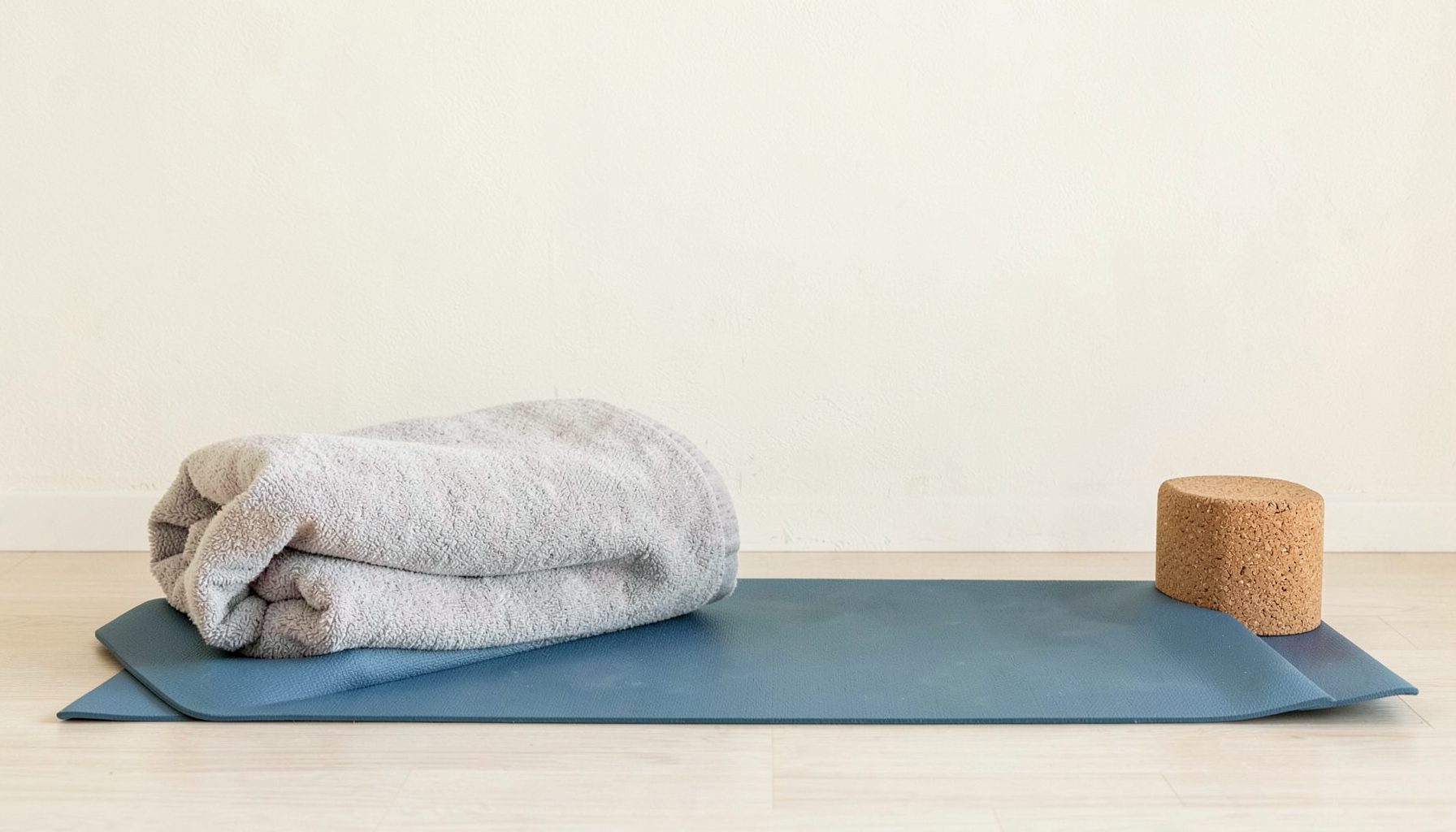
A practice becomes sustainable when it is easy to begin. Keep a mat visible, prepare comfortable clothing and decide in advance whether your afternoon session will last ten, twenty or forty minutes. Removing small barriers makes it less likely that you will postpone movement until the evening, when tiredness can make starting harder.
It can help to attach yoga to an existing event, such as finishing lunch, closing the laptop or arriving home. This is not about creating a strict rule. It is a gentle reminder that your body deserves attention before the day is over. If you miss a session, begin again without treating the missed day as evidence of failure.
Track how you feel rather than judging your practice by flexibility or strength. You may notice improved concentration, less tension in your neck, a calmer transition into family time or more awareness of hunger and fatigue. These quieter changes often reveal the value of yoga more clearly than dramatic physical progress.
An afternoon session can be as simple as pausing beside your desk, taking five slow breaths and stretching your arms overhead. It can also be a full class with flowing postures, meditation and relaxation. Both count. The most useful practice is the one that meets your circumstances and leaves you with a deeper sense of connection.
The afternoon offers a middle ground between pushing through the day and collapsing at its end. With mindful movement, appropriate rest and breathing that feels natural, yoga can restore energy without demanding more than you have available.
What to remember is that yoga does not need to happen at a perfect hour. Practising in the afternoon gives you a chance to listen to the body you have actually brought into the present moment, then move forward with greater steadiness and self-compassion.