




What to Pack for a Weekend Yoga Retreat
Packing for a yoga retreat is less about bringing everything you own and more about choosing items that help you feel comfortable, grounded, and prepared. A thoughtful weekend bag can support your practice, protect your rest, and leave space for the quiet moments that make a retreat meaningful.
Most retreat settings combine movement, meditation, nourishing meals, rest, and time outdoors. Your packing list should reflect that variety. Soft layers, practical toiletries, a few personal comforts, and equipment suited to the schedule will usually serve you better than an overfilled suitcase.
Before you pack, check the retreat information for details about accommodation, meals, yoga props, weather, and activities. Some venues provide mats, blankets, blocks, and towels, while others expect guests to bring their own. Knowing what is available prevents unnecessary packing and helps you focus on arriving with an open, relaxed mindset.
Choose Comfortable Yoga Clothing
Bring enough clothing for several practices without assuming that every session will require a fresh outfit. For a weekend retreat, two or three pairs of leggings, yoga pants, or comfortable shorts are often sufficient, along with three or four breathable tops. Choose fabrics that allow easy movement and do not distract you during forward folds, seated meditation, or restorative poses.
Layers are especially useful because studios, converted barns, and outdoor spaces can vary in temperature. Pack a lightweight long-sleeved top, a sweatshirt or fleece, and warm socks. A soft cardigan or wrap can be helpful after morning meditation, when the body may still feel cool, or during a quiet evening reading session.
Your clothing does not need to be fashionable or technically specialized. The best retreat clothes are pieces you already know feel good against your skin and stay secure while you move. Avoid bringing anything that needs constant adjustment, feels restrictive around the waist, or makes you worry about staining and wear.
Include comfortable clothes for downtime as well as one outfit suitable for walking, casual communal meals, or an optional local activity. Sleepwear, underwear, and a spare set of clothes are easy to overlook, particularly if the retreat includes outdoor movement or changeable weather.
Pack Yoga Equipment With Intention
A yoga mat is the first item to consider, but it may not need to be the first item you place in your bag. Contact the retreat host or venue to find out whether mats are supplied and what type they are. If you prefer a particular level of cushioning, grip, or width, bringing your own mat can make the practice feel more familiar.
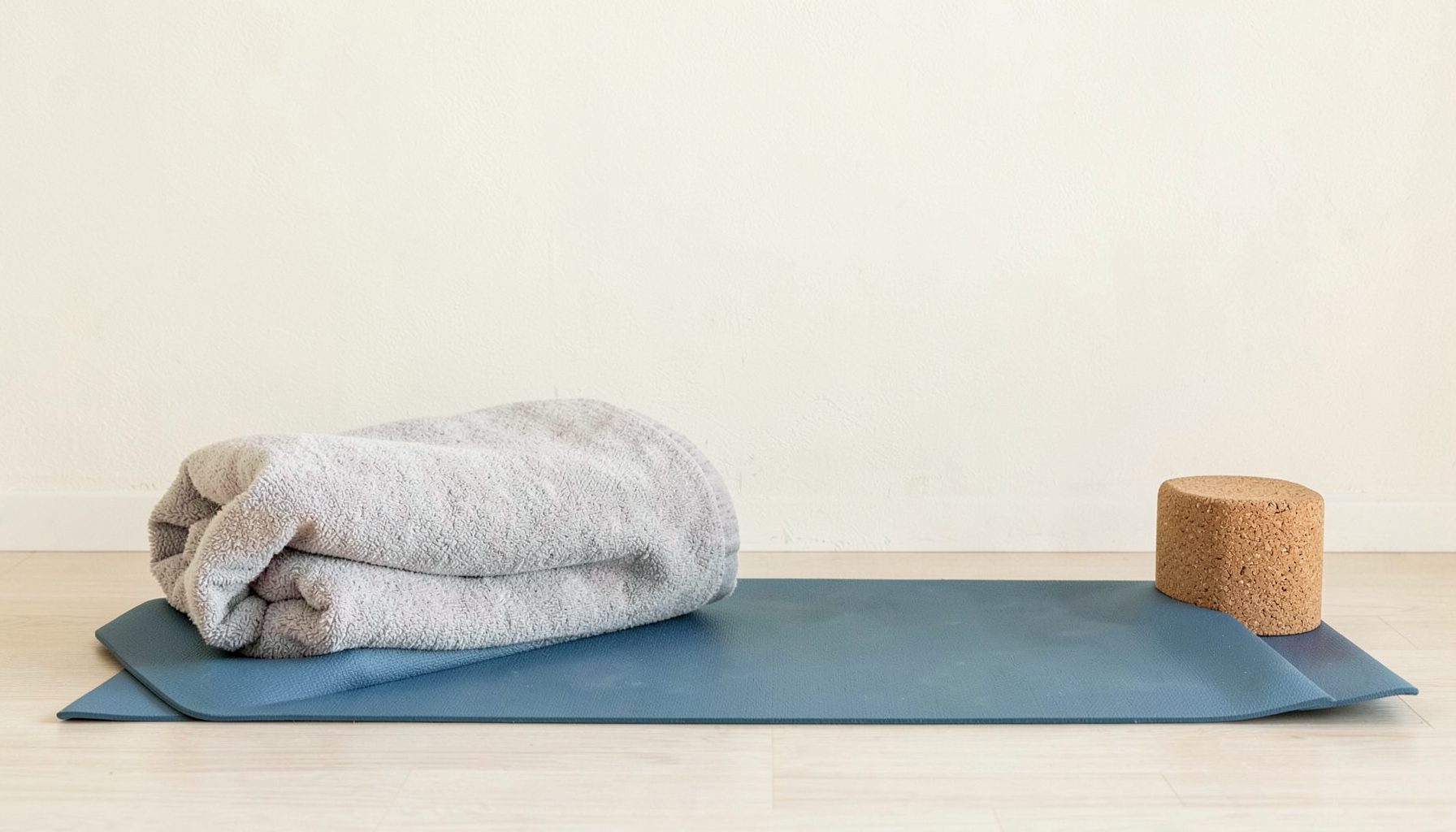
A lightweight travel mat may be enough for a weekend away, especially if you are traveling by train or carrying luggage over a distance. If your joints benefit from extra support, consider packing a thin mat to place over a venue-provided one. A small towel can provide additional grip during a warm practice and can be useful for wiping down your mat afterward.
Props can make a gentle class more accessible. A strap, tennis ball, or small massage ball takes up little room and may support mobility work. Blocks and bolsters are often supplied at retreats, but ask before leaving them at home. If you regularly use a specific cushion or meditation bench, bringing it may help you settle more comfortably into longer periods of stillness.
For inspiration about different approaches to movement, breathwork, and mindful practice, explore the available yoga classes before your retreat. Knowing whether the weekend will include slow flow, restorative yoga, somatic movement, or stronger asana can help you choose suitable clothing and equipment.
Prepare for Rest and Personal Comfort
A retreat schedule may begin early and include more quiet time than your usual weekend. Pack a sleep mask and earplugs if light or unfamiliar sounds affect your rest. A small hot-water bottle, eye pillow, or familiar pillowcase can bring comfort without taking up much space.
Personal toiletries should be practical and gentle. Bring toothpaste, a toothbrush, deodorant, shampoo, conditioner, soap, moisturizer, lip balm, and any period products you may need. If the retreat encourages low-waste practices, choose refillable containers and avoid packing more product than you will use.
Do not forget prescription medication, glasses, contact lens supplies, and essential supplements. Keep these items in an easy-to-reach pouch rather than at the bottom of your luggage. A basic first-aid kit can include plasters, pain relief, blister care, and any personal remedies you regularly rely on.
Your body may respond to a change in routine, different meals, travel, or more physical activity than usual. Pack a reusable water bottle and consider bringing herbal tea, electrolyte tablets, or a small snack if the retreat allows them. Follow the venue’s food guidelines, especially where meals are communal or dietary requirements need to be declared in advance.
Make Space for Weather and Time Outdoors
Even a retreat centered on indoor practice may include a mindful walk, outdoor meditation, a visit to a nearby village, or time sitting in a garden. Check the forecast, but prepare for variation rather than packing for one ideal temperature. A waterproof jacket, compact umbrella, and warm layer are useful in many seasons.
Shoes should match the setting. Bring easy-to-remove footwear for moving between accommodation and the practice room, plus sturdy walking shoes if trails or uneven ground are part of the schedule. Slippers, sandals, or thick socks can make shared indoor spaces more comfortable and keep outdoor dirt away from sleeping areas.
A sun hat, sunglasses, and sunscreen are sensible for warmer months. In cooler weather, add a scarf, gloves, and thermal base layer if you tend to feel cold. A small daypack can carry your water bottle, phone, notebook, and extra layer during walks or off-site activities.
| Item | Why It Helps | Packing Note |
|---|---|---|
| Yoga mat or travel mat | Provides familiar support and grip | Confirm whether the venue supplies one |
| Breathable practice clothes | Allows comfortable movement and layering | Pack two or three versatile outfits |
| Warm layer and socks | Helps during meditation and evening rest | Choose soft, easy-to-wear pieces |
| Water bottle | Supports hydration throughout the day | Use a reusable bottle where possible |
| Toiletry pouch | Keeps daily essentials organized | Decant liquids into small containers |
| Sleep mask and earplugs | Supports rest in unfamiliar surroundings | Particularly useful in shared rooms |
| Walking shoes and jacket | Prepares you for outdoor activities | Check the forecast before departure |
| Notebook and pen | Creates space for reflection and journaling | Keep them accessible during quiet time |
Bring Simple Tools for Reflection
A yoga retreat can create room to notice thoughts, habits, and sensations that are easy to miss during a busy week. A notebook and pen give you a private place to record insights, intentions, questions, or moments of gratitude. You do not need to write extensively; a few lines after practice can help you remember how the experience felt.
You might also bring a meaningful book, a small sketchbook, or a set of meditation prompts. Choose something that supports rest rather than pulls you into constant analysis. A paperback is often preferable to a stack of reading material that creates another expectation for your free time.
Technology deserves a little thought. Bring your phone for travel arrangements, emergencies, and practical communication, but consider leaving a laptop, tablet, and work accessories at home. If the retreat has a digital detox element, download travel information and emergency contacts in advance so you can use your phone less.
Headphones can be useful during travel, though the retreat itself may encourage silence or shared presence. A small portable charger is sensible for the journey, particularly if you are using digital tickets or maps. Once you arrive, give yourself permission to let your devices remain in your room or switched off.
Organize Your Bag for an Easier Arrival
Place the items you will need first near the top of your bag. This might include a water bottle, warm layer, toiletries, medication, travel documents, and clothes for the first practice. If you arrive shortly before a session or meal, you will appreciate being able to find essentials without unpacking everything.
Use separate pouches for clothing, toiletries, yoga accessories, and valuables. A laundry bag keeps worn clothes away from clean items, while a waterproof pouch can protect your belongings if you are traveling in rain or carrying damp practice clothes. Packing cubes can help, but simple reusable bags work just as well.
Keep travel documents, payment cards, keys, and identification together in a secure place. If you have allergies or dietary needs, carry any relevant information and communicate it to the retreat organizer before arrival. A small amount of cash may be useful for local transport, donations, or purchases where card payments are unavailable.
If you are attending a retreat with Camille Dodson Yoga, review the details for upcoming yoga retreats so your packing reflects the location, schedule, and accommodation. The more clearly you understand the setting, the easier it is to bring what supports you and leave behind what does not.
Pack With Presence, Not Pressure
A useful packing list should reduce decision-making rather than create another source of stress. Before closing your bag, look at each item and consider whether it serves comfort, health, movement, rest, or practical travel. If something belongs only to an imagined version of the weekend, it may not need to come with you.
These small choices can make a retreat feel more spacious from the beginning:
- Choose soft, familiar clothing that supports free movement.
- Pack layers for changing temperatures and quiet periods.
- Confirm which mats, blocks, blankets, and towels the venue provides.
- Keep medication, toiletries, documents, and arrival essentials easy to reach.
- Leave room for rest by limiting work equipment and unnecessary belongings.
The purpose of a retreat is not to perform wellness perfectly. You may forget an accessory, change your plans, or discover that you need more rest than expected. A flexible attitude matters more than an ideal suitcase. Bring enough to care for yourself, then allow the weekend to unfold without turning your packing list into another rulebook.
When you pack with intention, the contents of your bag become a quiet form of support. They make space for movement, reflection, nourishing meals, sleep, and connection. Prepare your essentials, set aside what can wait, and take the next step toward a restorative weekend with Camille Dodson Yoga.