



What to Expect at Your First Gentle Yoga Retreat
A first yoga retreat can feel exciting, unfamiliar, and slightly intimidating. You may wonder how much yoga you will do, whether you need to be flexible, or how comfortable you will feel in a group. A gentle retreat is designed to meet you where you are, offering space to slow down rather than asking you to perform.
The emphasis is usually on mindful movement, steady breathing, rest, and self-awareness. Classes may include accessible postures, restorative shapes, meditation, journaling, walking, or quiet time. You will be encouraged to notice what your body and mind need instead of pushing toward a particular outcome.
A retreat also gives you a chance to step away from habitual routines. With fewer daily demands, simple practices can become more noticeable: the quality of a breath, the sensation of your feet on the ground, or the relief that comes from leaving your phone untouched for an hour. These small experiences often become the most lasting part of the retreat.
The Atmosphere You Can Expect
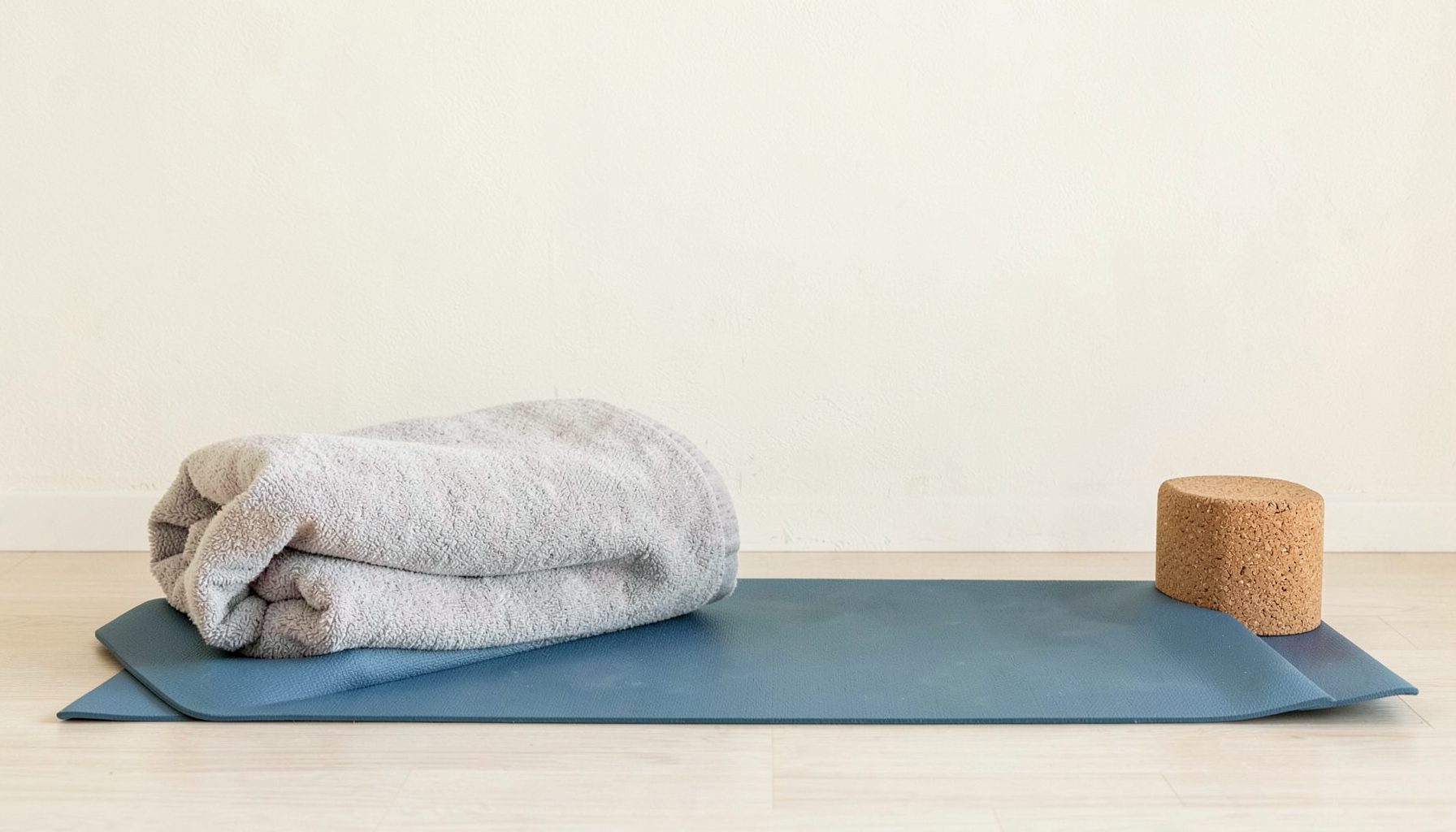
A gentle yoga retreat generally has a calm, welcoming atmosphere. The schedule may take place in a studio, countryside venue, coastal house, or another setting that supports rest and reflection. The space may include yoga mats, blankets, cushions, chairs, bolsters, and other props so that postures can be adapted for different bodies and energy levels.
You will probably meet people with a wide range of experience. Some participants may have practiced yoga for years, while others may be attending their first class. In a supportive retreat environment, experience is not treated as a measure of worth. Instructions are offered as invitations, and you can choose a variation that feels appropriate for you.
Silence may be included at certain points, such as during meditation, meals, or an early morning practice. This is usually explained in advance, and it is not intended to create pressure. Quiet can feel unfamiliar at first, yet it often helps you hear internal signals that are easy to miss during a busy week.
Preparing Without Overthinking
You do not need to become more flexible or fitter before attending. A gentle retreat is not a test of strength, balance, or endurance. Preparing well means understanding the practical details, communicating any relevant health concerns, and arriving with permission to participate at your own pace.
Read the retreat information carefully so you know what is included. Check the location, accommodation arrangements, food options, transport, class duration, and any activities outside the yoga sessions. If you have an injury, chronic condition, pregnancy, or mobility concern, share this with the teacher beforehand. Clear communication makes it easier to offer useful alternatives.
It can also help to set a simple intention. This might be resting more deeply, reconnecting with your body, learning basic breathwork, or creating room for yourself during a demanding period. An intention is different from a goal that must be completed. It gives your attention a gentle direction without turning the retreat into another achievement project.
A Typical Retreat Rhythm
Most retreats have a rhythm rather than a rigid timetable. The day may begin with quiet meditation or slow movement, followed by breakfast and unstructured time. A later session could explore posture, breath, or mindful walking, with periods for reading, resting, conversation, or visiting the local area.
The pace can vary depending on the retreat’s length and theme. A day retreat may offer several practices with breaks between them, while a residential weekend may include meals, evening reflection, and overnight accommodation. Rest periods are a meaningful part of the experience, not empty gaps between more important activities.
| Part of the day | What it may include | How to approach it |
|---|---|---|
| Morning | Meditation, gentle stretching, breath awareness | Move slowly and notice your energy |
| Midday | Nourishing meal, free time, walking, journaling | Take the rest you genuinely need |
| Afternoon | Workshop, restorative yoga, mindful activity | Stay curious without forcing focus |
| Evening | Relaxation, reflection, quiet practice | Let the day become less task-focused |
A teacher may invite you to observe sensations, emotions, and thoughts without immediately changing them. You might explore how a posture feels with a chair, folded blanket, or smaller range of movement. These adjustments are part of intelligent practice, allowing yoga to support your present circumstances rather than an imagined ideal body.
Finding Comfort In Gentle Practice
Gentle yoga does not mean that every session will feel effortless. Slow movement can reveal areas of tension, tiredness, or emotional sensitivity. The difference is that the practice gives you time to respond with care. You may pause, rest in a child’s pose variation, sit comfortably, or simply notice your breathing.
Breathwork is often included in a way that feels accessible. Rather than using forceful techniques, a teacher may guide you toward longer exhalations, natural breathing, or a soft awareness of the breath. Even a single conscious breath can interrupt an automatic stress response; this reflection on single Ujjayi breath offers a helpful example of how small practices can support steadiness.
There may be moments when the mind wanders or the body feels restless. That does not mean you are doing meditation incorrectly. Mindfulness is the practice of noticing what is happening and returning with patience. Each return can strengthen self-trust, especially when the retreat encourages you to replace self-criticism with curiosity.
What To Bring And How To Settle In
Pack comfortable clothing that allows easy movement and layers for changing temperatures. You may want a water bottle, notebook, pen, warm socks, a light sweater, personal toiletries, and any medication you need. If the retreat venue provides mats and props, there is no need to bring specialist equipment unless you prefer your own.
A small amount of preparation can help you feel grounded when you arrive. Consider reducing your schedule before the retreat rather than rushing directly from a demanding day into the first session. Let someone close to you know that you may be less available, and decide how you want to use your phone. Even a partial digital break can make the transition into retreat life smoother.
Food and accommodation may be different from your usual routine. Meals are often simple and nourishing, with options for dietary requirements when these are shared in advance. Rest whenever you need to, and remember that social time is optional. You can enjoy conversation while still protecting periods of quiet and personal space.
Making The Experience Your Own
A retreat is shared with a group, but your experience remains personal. You may enjoy every session, prefer certain practices, or discover that a planned activity does not suit you on a particular day. An accessible teacher will offer modifications and encourage you to make informed choices without embarrassment.
You can ask for clarification, use props, leave a posture, or take a break. These choices are expressions of awareness, not signs that you are failing to keep up. The ability to recognize your limits and adjust your practice is an important part of sustainable yoga.
You may also notice emotions arising when life becomes quieter. Relief, sadness, gratitude, irritation, or uncertainty can all appear. There is no need to create a dramatic breakthrough or explain every feeling. Simple grounding practices, supportive conversation, journaling, and time outdoors can help you stay connected to the present.
Simple Ways To Support Yourself
Keep your expectations open and your plans light. These small decisions can make the retreat more restorative:
- Choose comfort over appearance when packing clothes and personal items.
- Tell the teacher about injuries, access needs, or anything that affects your practice.
- Treat rest, food, hydration, and sleep as essential parts of the retreat.
- Use props, modifications, and pauses before discomfort becomes strain.
- Write down one practice or reflection you would like to carry into daily life.
It can be useful to leave some space after the retreat before returning to a full schedule. The experience may continue to unfold through ordinary activities such as making tea, commuting, stretching before bed, or taking three quiet breaths before opening your inbox. Integration is often less about preserving the retreat atmosphere and more about bringing its awareness into familiar places.
Bringing Retreat Home
The most valuable outcome may be a clearer understanding of what helps you feel steady. You might learn that five minutes of breathing is more realistic than an ambitious daily routine, or that restorative postures support you more than intense exercise at the end of a long day. These discoveries can shape a practice that is genuinely sustainable.
You do not need to recreate the entire retreat at home. Choose one small element and repeat it consistently. This could be a morning body scan, a weekly gentle class, mindful walking, a short evening stretch, or a few minutes without digital noise. Small commitments are easier to maintain and can gradually become dependable sources of support.
When you are ready to explore future opportunities, you can browse the available upcoming yoga retreats and find a setting that matches your needs. Arrive with curiosity, bring your whole self, and let the practice be an invitation rather than an obligation.
Give yourself permission to begin gently. Reserve a place at a retreat that feels supportive, prepare with care, and allow the experience to unfold one breath, movement, and quiet moment at a time.