



The Difference Between Stretching and Yoga
Stretching and yoga are often placed in the same category because both can involve lengthening muscles, moving joints, and creating a sense of physical ease. Yet they serve different purposes. Stretching usually focuses on a particular muscle group or range of motion, while yoga brings movement into a broader practice that may include breathwork, concentration, meditation, and self-inquiry.
Understanding this distinction can help you choose the right practice for your energy, body, and intentions. A few simple stretches may be useful before or after exercise, while a yoga session can offer a more complete way to care for your physical and mental wellbeing.
Neither approach has to be intense to be effective. Gentle movement, mindful breathing, and patience can support flexibility without turning practice into a test of how far your body can go.
What Stretching Actually Does
Stretching is generally designed to lengthen or relax muscles and improve mobility around a joint. A hamstring stretch, for example, may create a gradual sensation along the back of the thigh. A shoulder stretch can ease stiffness after hours at a desk. These movements are often brief, targeted, and easy to add to an existing fitness routine.
There are several styles of stretching. Static stretching involves holding a position for a period of time, while dynamic stretching uses controlled movement through a range of motion. Active stretching asks you to support a position with your own muscular effort, and passive stretching relies on an external support or force. Each method has a place, depending on the activity and the body’s needs.
The goal is usually physical: to maintain flexibility, prepare for movement, support recovery, or reduce the feeling of tightness. Stretching can be valuable on its own, but it does not automatically include the reflective or meditative elements associated with yoga.
What Gives Yoga Its Wider Scope
Yoga includes physical postures, known as asana, but postures are only one part of the tradition. A yoga practice may also include conscious breathing, meditation, relaxation, ethical reflection, and attention to the present moment. The physical sequence becomes a setting in which you notice sensations, habits, emotions, and patterns of effort.
A yoga pose can resemble a stretch, yet the intention changes the experience. In a forward fold, you may be exploring the relationship between breath and sensation rather than trying to touch your toes. In a balance posture, the central lesson may involve steadiness, focus, and responding calmly when you wobble.
This wider focus makes yoga adaptable. It can be vigorous or restorative, flowing or still, structured or intuitive. A gentle yoga practice can support people who are new to movement, returning after a break, or looking for a sustainable way to connect with themselves.
Why Breath And Attention Matter
Breathing is one of the clearest differences between a simple stretching routine and a mindful yoga session. In yoga, the breath can guide the pace of movement and provide information about effort. A smooth, steady breath may suggest that you have room to stay, while breath-holding can signal that the position has become too demanding.
Attention also changes how the body is experienced. Instead of judging a pose by its appearance, you can notice pressure, warmth, trembling, ease, and resistance. This internal awareness, sometimes called interoception, helps you make more respectful choices. You may discover that a smaller range of motion feels more useful than forcing a deeper shape.
Breath and awareness can also influence the nervous system. Slow exhalations and supported positions may encourage a sense of calm, while a more active sequence can build energy and alertness. The value of yoga therefore extends beyond flexibility; it includes learning how to regulate effort and respond to the moment.
| Aspect | Stretching | Yoga |
|---|---|---|
| Primary focus | Muscle length, joint mobility, and physical ease | Integrated physical, mental, and emotional wellbeing |
| Typical format | Individual stretches or short routines | Sequences, postures, breathwork, meditation, and rest |
| Role of breath | May be helpful but is often optional | Usually used as a central guide for attention and pacing |
| Main intention | Prepare for activity, maintain mobility, or ease tightness | Develop awareness, balance, strength, presence, and self-compassion |
| Pace | Often targeted and practical | Can be dynamic, slow, restorative, or meditative |
| Measure of progress | Increased comfort or range of motion | Greater awareness, steadiness, adaptability, and ease |
| Accessibility | Easy to use in short intervals | Can be modified with props, variations, and supportive teaching |
Where The Two Practices Overlap
Stretching and yoga share many physical benefits. Both can help you explore joint movement, release habitual tension, and become more familiar with bodily sensations. Both may support posture and mobility when practiced consistently and without excessive force.
A yoga class often contains stretches, especially in poses that open the hips, shoulders, chest, calves, or back. Likewise, a stretching routine can become more mindful when you slow down, coordinate movement with breathing, and observe your response without judgment. The boundary is not rigid; intention and context are important.
The difference is less about the shape of a pose and more about what happens around it. Holding a lunge for thirty seconds could be a quadriceps stretch. Practicing the same lunge while observing breath, grounding through the feet, softening unnecessary tension, and transitioning with awareness places it within a yogic framework.
Choosing The Right Practice For Your Needs
Stretching may be the most practical choice when you have only a few minutes, want to prepare for a sport, or are addressing a specific area of stiffness. Dynamic movements can help you feel ready before exercise, while relaxed static stretches may fit well after activity or during a work break. The routine can remain simple and focused.
Yoga may suit you when you want a more complete practice that includes strength, balance, coordination, relaxation, or reflection. A class can provide structure and guidance, while a home practice allows you to respond to your energy each day. Some sessions may leave you refreshed; others may help you settle before sleep.
Your choice does not have to be permanent. You might stretch your calves before a walk, practice yoga on several mornings, and use a short breathing exercise when stress rises. These approaches can complement each other rather than compete for space in your routine.
Signs Of A Supportive Practice
A helpful practice should leave room for curiosity. Mild sensation, warmth, and effort can be normal, but sharp pain, pinching, numbness, or a feeling of strain deserves attention. Backing out of a pose is not failure; it is a practical response to useful information from the body.
Flexibility also varies naturally from person to person. Bone structure, previous injuries, strength, age, stress, sleep, and daily activity all affect movement. Comparing your range of motion with someone else’s can encourage unnecessary effort and distract from the purpose of practice.
Yoga’s emphasis on self-compassion can be especially helpful here. You can use props, bend the knees, reduce the duration, or choose a different posture. A sustainable practice respects the body as it is today while allowing gradual change over time.
Simple Ways To Combine Both
A short mobility routine can be a welcoming entry point. Begin with easy joint movements, such as shoulder circles, ankle rolls, or gentle spinal rotations. Then add a few stretches that relate to your activities. Finish with several relaxed breaths so the session has a clear transition from physical preparation to calm awareness.
A longer yoga session may include active postures, strengthening work, focused stretches, and rest. The sequence does not need to be complicated. Cat-cow movements, a supported child’s pose, a low lunge, a gentle twist, and a few minutes of breathing can create a balanced practice when performed with attention.
Try these recommendations when shaping your routine:
- Use dynamic movement before exercise and slower stretching afterward.
- Let your breath remain smooth instead of forcing a deeper position.
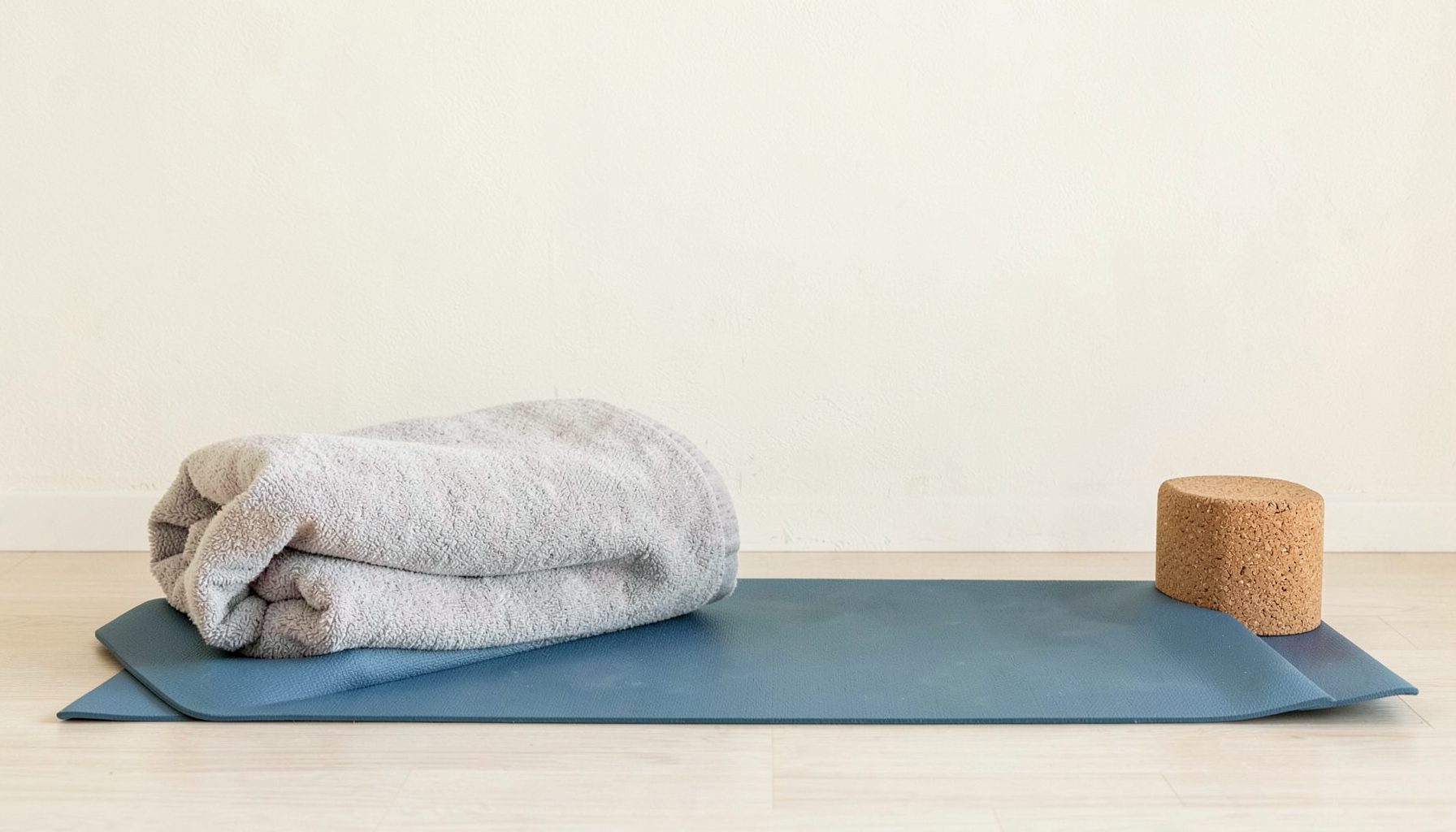
- Choose props or smaller variations whenever they make movement more comfortable.
- Include rest and stillness, especially when your energy is low.
- Measure progress by consistency and awareness rather than dramatic flexibility.
The most useful routine is one you can return to without dread. Five mindful minutes may serve you better than an ambitious session that leaves you sore or discouraged. Over time, regular practice can help you recognize what your body needs before discomfort becomes overwhelming.
Making Practice Sustainable
A sustainable yoga or stretching habit begins with realistic expectations. You do not need a perfect schedule, a large amount of space, or advanced flexibility. You can practice beside your bed, at your desk, or on a living-room floor. The key is to make the invitation simple enough that you can accept it on ordinary days.
Consider matching practice to your current state. Restorative poses and longer exhalations may be appropriate when you feel depleted. Standing postures or a flowing sequence may help when you feel sluggish. A few focused stretches may be enough when time is limited. This kind of flexibility in planning keeps practice responsive rather than rigid.
Classes, retreats, written reflections, and downloadable resources can offer helpful support when you want guidance. A teacher can suggest modifications and help you develop confidence, while personal practice gives you space to listen inwardly. Both forms of learning can deepen your understanding of movement, breath, and mindful living.
Explore a compassionate approach through classes and resources at Camille Dodson Yoga, and begin with the form of movement that feels supportive today. Let stretching help you care for mobility, and let yoga invite a fuller relationship with breath, attention, and everyday life.