
Yoga Block Alignment for Steady Standing Poses
A yoga block can change the way a standing pose feels without changing its essential shape. By bringing the floor closer, it gives your hands support, helps you organize your joints, and creates space to explore balance with less strain. This simple prop is useful for beginners, experienced practitioners, and anyone working with tight hips, limited hamstring mobility, or recovering strength.
Alignment is not about forcing your body into a fixed arrangement. It is a practical way to distribute effort so that your breath stays smooth and your movements feel clear. In standing poses, a block can help you notice whether you are leaning, gripping, collapsing through a joint, or asking one area to do too much work.
Used with patience, a block becomes a tool for awareness rather than a shortcut. It can support a gradual relationship with movement, mindfulness, and self-compassion while you learn how your body responds in each posture.
Why Blocks Improve Standing Alignment
Standing poses often look simple because the body appears upright and still. Underneath that stillness, however, the feet, ankles, knees, hips, pelvis, spine, shoulders, and breath are constantly coordinating. If your hands cannot comfortably reach the floor, you may round your back, lock your knees, or shift your weight to avoid discomfort. A block reduces that compensation.
The prop offers a stable point of contact. When your hand rests on a block in Triangle Pose, Half Split, or Revolved Lunge, you can lengthen through the spine without pulling yourself toward the ground. This lets you feel the difference between useful effort and unnecessary tension. The block supports the pose while your muscles continue to participate.
It can also improve proprioception, or your sense of where your body is in space. Pressing one hand into a block may help you feel the shoulder blade settle, the side waist lengthen, or the pelvis become more level. These small signals are often easier to recognize when you are not struggling to reach the floor.
Choosing the Right Height and Position
Most yoga blocks have three usable heights: low, medium, and high. The correct height is the one that lets you maintain a long spine, relaxed breathing, and steady weight distribution. A higher setting is not a sign of limited ability. It may be the most intelligent choice for your proportions, mobility, or energy on a particular day.
Place the broadest, most stable surface on the floor. If the block wobbles, feels too narrow, or causes you to lean heavily into it, adjust the orientation before continuing. Your hand should make contact through the palm and fingers rather than resting only on the fingertips. Keep enough pressure to receive support while still engaging through your legs and trunk.
For standing poses, think of the block as an extension of the floor. Move it toward or away from your front foot until your shoulder stays over or near your wrist and your torso can lengthen. If the block is too far away, you may reach and collapse. If it is too close, you may restrict your breathing or compress the front of the hip.
A helpful setup sequence is simple:
- Begin with the block on its highest setting when exploring a new shape.
- Place it where your hand can land without twisting your torso.
- Spread your fingers and press evenly through the palm.
- Keep both feet active and notice whether your weight remains balanced.
- Lower the block only when your alignment stays spacious and your breath remains easy.
Applying Support in Common Standing Poses
In Triangle Pose, place a block outside or inside the front foot, depending on your anatomy and the version you are practicing. Rest the lower hand lightly on the block and reach the top arm upward only as far as the chest can remain open. Instead of trying to bring the hand to the floor, focus on stacking the shoulders, lengthening both sides of the waist, and keeping the front knee facing toward the second toe.
In Half Moon Pose, a block under the lower hand can make balance more accessible. Set it slightly ahead of the standing foot so you have room to extend the lifted leg. Press down into the block as you lengthen through the crown of the head, then rotate the chest gradually toward the side wall. The prop gives you a reliable base while the standing hip learns to stabilize.
In Revolved Triangle and Revolved Lunge, the block helps prevent the common urge to shorten the spine in order to rotate. Place it on the inside or outside of the front foot, depending on your chosen variation and comfort. Use the height that allows your sacrum to stay broad and your breath to move freely. Rotation should come through the length of the spine, not through forcing the shoulder or neck.
| Standing pose | Helpful block placement | Alignment focus | Signs to adjust |
|---|---|---|---|
| Triangle Pose | Beside the front foot, usually on medium or high height | Long spine, active legs, open chest | Front knee turns inward or lower ribs flare |
| Half Moon Pose | Slightly ahead of the standing foot | Stable standing hip and lifted leg | Hand bears all your weight or standing knee locks |
| Revolved Triangle | Inside or outside the front foot | Length before rotation | Spine rounds or breath becomes restricted |
| Extended Side Angle | Inside the front foot or under the forearm | Length through the side body | Front thigh loses strength or shoulder hikes |
| Pyramid Pose | Under hands in front of the front foot | Even hips and relaxed neck | Back rounds or front hamstring strains |
A block can also support Extended Side Angle. Place the lower hand inside the front foot and press into the prop as you extend the top arm overhead. Keep the front thigh engaged and the back heel reaching away. The goal is to create a continuous line from the outer edge of the back foot through the side waist, rather than sinking into the front hip.
Let Breath Guide Your Alignment
Alignment becomes more useful when it is connected to breathing. Inhale to create length through the spine, broaden the collarbones, and establish a steady base. Exhale to soften unnecessary effort while maintaining the structure of the pose. The block can help you stay in this rhythm because it reduces the pressure to reach or hold yourself up.
Try staying in a supported standing pose for three to five slow breaths. On each inhale, notice where the body expands. On each exhale, check whether you are gripping the toes, jaw, shoulders, or pelvic floor. If tension continues to build, change the block height or come out of the pose. A sustainable practice respects signals before they become pain.
Mindfulness also means observing your expectations. You may be tempted to lower the block because a deeper shape looks more advanced, but depth does not automatically indicate better alignment. A higher block can offer a clearer experience of the pose, especially when it allows the spine to stay long and the breath to remain unforced.
Use the prop to explore, pause, and compare. Notice how the posture changes when the block moves an inch, when your feet become more active, or when you soften your gaze. These details turn a familiar yoga sequence into a responsive personal practice.
Recognizing Common Alignment Mistakes
One frequent mistake is treating the block as a place to collapse. If your shoulder rises toward your ear or your ribs drop heavily toward the floor, the support may be doing too much of the work. Press down gently through the hand while drawing the shoulder away from the ear and engaging the legs.
Another issue is placing the block too far from the foot. This often causes the torso to reach forward, the spine to round, and the front knee to drift. Move the prop closer and raise it if needed. Your hand should be able to land with a comfortable bend in the elbow rather than a strained reach.
Locking the standing knee is also common in balance poses. Keep a small sense of elasticity around the joint by engaging the quadriceps without pushing the kneecap backward. If Half Moon feels unstable, use a wall as additional support or lower the lifted foot briefly while preserving the same alignment principles.
Finally, avoid turning the block into a test of endurance. If your wrist, hip, knee, or back feels sharp, pinched, or increasingly uncomfortable, exit the pose and reassess. Props are designed to adapt the practice to the body, not to persuade the body to tolerate an unsuitable position.
Build a Supportive Home Practice
A short sequence can provide enough repetition to understand how a block affects your standing alignment. Begin with a few rounds of comfortable movement, such as Cat-Cow or gentle lunges, then practice one pose on each side. Give yourself time to set up the block instead of rushing from shape to shape.
You might hold Triangle Pose for several breaths, transition to Half Moon with the block still nearby, and finish with a supported forward fold. Move slowly between sides so you can compare sensations without judging them. A journal note after practice can be useful: record the block height, where you felt effort, and whether your breathing stayed smooth.
Keep these recommendations in mind:
- Choose stability and breath over maximum range of motion.
- Use the highest block setting that allows an organized spine and relaxed shoulders.
- Practice both sides and notice differences without forcing symmetry.
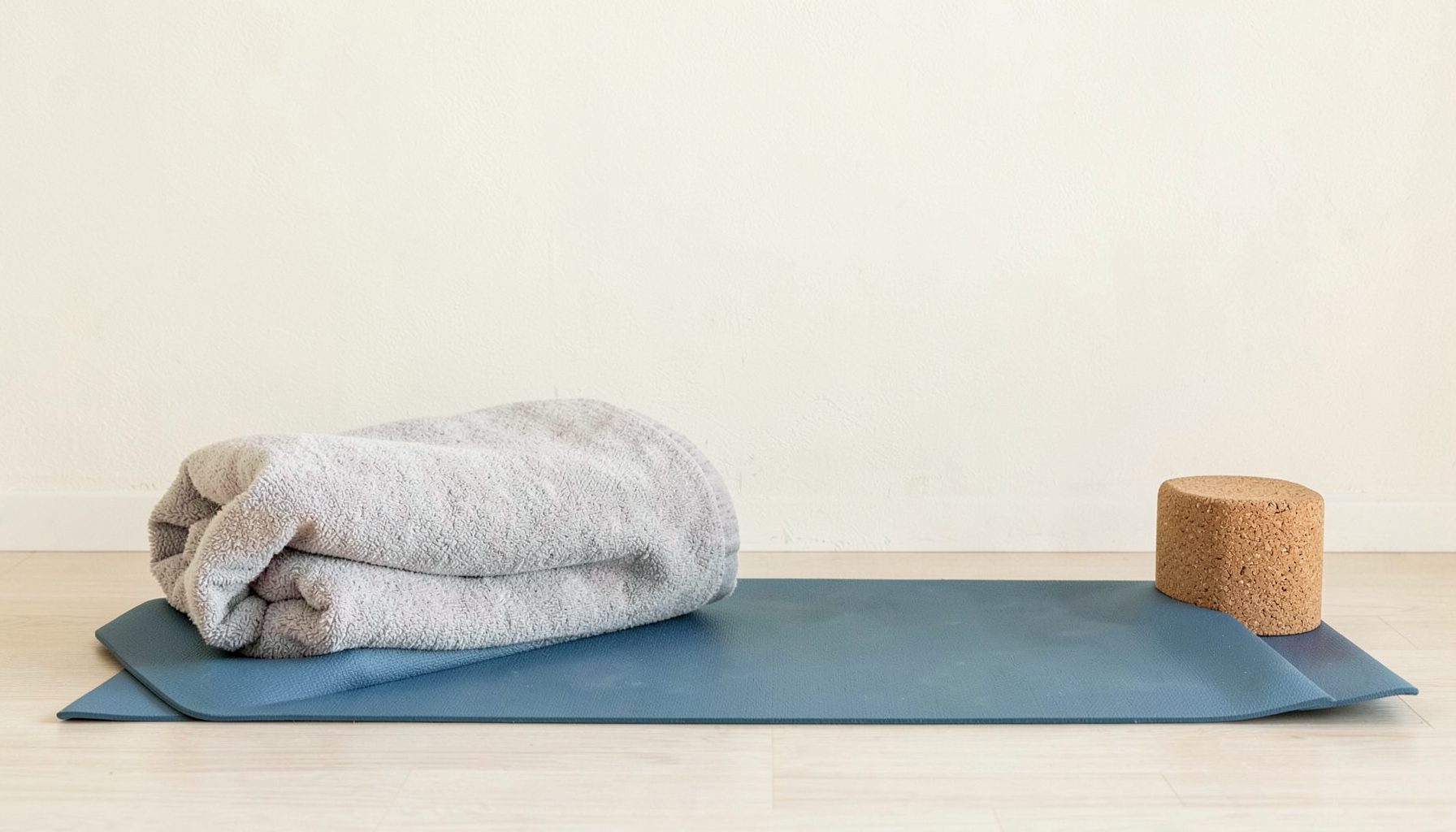
- Place a folded blanket beneath a knee when the floor feels uncomfortable.
- Finish with a quiet standing or seated pause to absorb what you noticed.
A regular home practice does not need to be long to be meaningful. Ten mindful minutes can reinforce foot awareness, hip stability, and confidence more effectively than an occasional demanding session. Over time, you may lower the block in some poses, keep it high in others, or discover that its greatest value is helping you understand when support is appropriate.
For a deeper setting in which movement, breathwork, and reflection can develop together, explore the upcoming yoga retreats. Time away from daily demands can create room to study familiar poses with fresh attention and to reconnect with a sustainable rhythm.
Make the Prop Part of Your Practice
A yoga block is a practical invitation to meet a standing pose where you are. It can improve alignment by bringing the ground within reach, but its deeper value lies in helping you sense your body more clearly. With the right height, placement, and breath, support becomes a way to develop strength and spaciousness at the same time.
Return to one or two standing poses regularly and let your understanding change gradually. Set the block nearby, move with care, and use each breath as information. Explore Camille Dodson Yoga classes, reflections, and downloadable resources to keep building a steady practice rooted in awareness and self-compassion.