
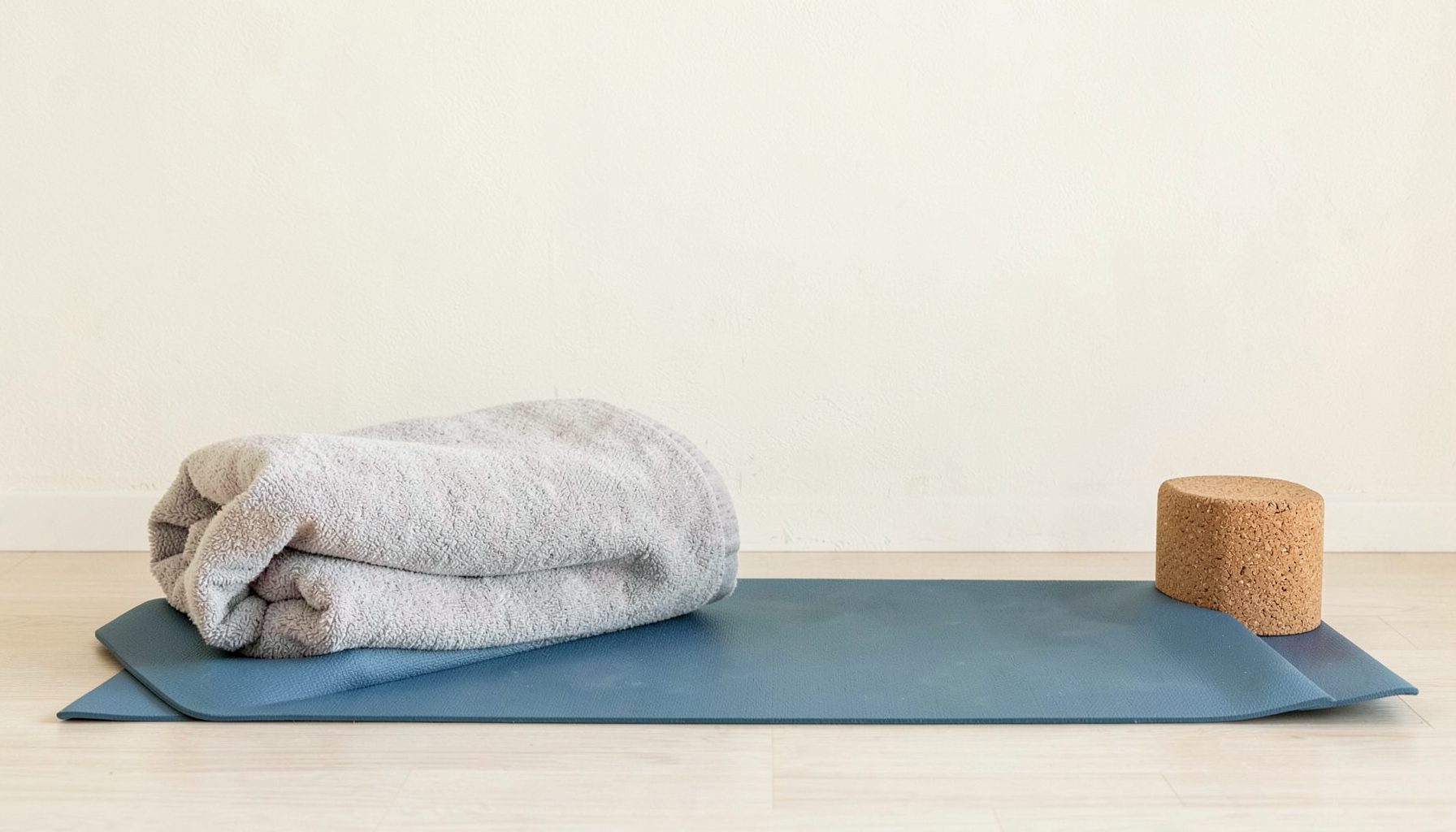




How To Use A Bolster For Restorative Heart Openers
A bolster can turn a demanding backbend into a quiet, supported experience. Rather than asking the muscles of the back to hold you in place, it gives the spine, ribs, and pelvis somewhere to settle. This makes it especially useful for restorative heart-opening poses, where the aim is spacious breathing and mindful release instead of depth or intensity.
Heart openers can include supported fish pose, reclined bound angle, a gentle supported bridge, or a lengthwise bolster placement beneath the spine. Each variation changes the sensation through the chest and shoulders. Small adjustments to height, direction, and leg position can make the practice feel calming, grounding, or gently energizing.
The most useful approach is to treat the bolster as a conversation with your body. You are not trying to force the front of the body open. You are creating enough support for the breath to move naturally while noticing where ease is available.
Why Support Matters In Heart Opening
A restorative heart opener places the front body in a mild extension. The breastbone may lift, the collarbones may widen, and the shoulders may move away from the ears. Without support, these actions can become muscular or overly effortful, especially if the upper back, neck, or hip flexors are tight.
A bolster distributes that work across a broad surface. When it supports the length of the spine, the body can soften around the prop rather than brace against the floor. This often makes it easier to notice the relationship between posture and breath. Inhaling may create a feeling of expansion across the ribs, while exhaling can encourage the shoulders and jaw to relax.
Restorative yoga is not passive in the sense of being unaware. It involves close attention to sensation, breath, and emotional response. A comfortable setup can help you stay present for several minutes without needing to adjust constantly, making the pose a practical form of mindfulness.
Prepare Your Props And Position
Begin with a firm bolster that holds its shape. If you do not have one, a tightly rolled blanket can work for a lower setup, while two folded blankets may provide useful support beneath the head and knees. Keep an extra blanket nearby so you can alter the height without leaving the pose.
For a lengthwise heart opener, place the bolster behind you so one end is near the base of the pelvis and the other points toward the head. Sit at the lower end, then slowly recline until your spine is supported from the sacrum through the back of the head. Your head should not tip backward. If your chin lifts toward the ceiling, add a folded blanket beneath the head.
The pelvis should feel stable rather than pulled forward. Bend the knees with the feet on the floor first, then decide whether to lengthen the legs or bring the soles together. A rolled blanket beneath each outer thigh can reduce strain in reclined bound angle. If your lower back feels compressed, keep the knees bent or place a bolster beneath them.
Explore Gentle Variations
Supported fish pose is a simple place to begin. Lie lengthwise over the bolster, with the arms resting by your sides, palms facing upward, or hands placed on the lower ribs. The support should lift the chest without creating a sharp sensation through the spine. Stay for three to five minutes, allowing the breath to spread into the side ribs.
For a more spacious variation, open the arms into a wide T shape or cactus shape. Keep the elbows lower than the shoulders if the front of the shoulders feels tight. You can also rest the forearms on folded blankets, which reduces the pull across the chest and lets the shoulder blades settle more easily.
Reclined bound angle adds a gentle opening through the inner thighs and abdomen. Place the soles of the feet together and let the knees move apart, but support both thighs with blankets or cushions. Another option is to keep the legs long, creating a quiet full-body stretch. There is no requirement to choose the most open version; the best shape is the one in which your breathing remains smooth.
| Variation | Bolster Placement | Useful Support | Main Sensation |
|---|---|---|---|
| Supported Fish | Lengthwise under spine | Blanket under head | Chest and rib expansion |
| Reclined Bound Angle | Lengthwise under spine | Cushions beneath thighs | Inner thigh and front-body release |
| Supported Bridge | Crosswise beneath sacrum | Blanket beneath head if needed | Gentle front-hip opening |
| Side-Lying Heart Opener | Beneath upper chest or ribs | Blanket under head and knees | One-sided chest and shoulder release |
| Legs On Bolster | Crosswise beneath calves | Extra blanket beneath pelvis | Grounding with mild spinal ease |
Let Breath Guide The Shape
Once you are supported, resist the urge to make the pose look more dramatic. The breath is a more reliable guide than the visual shape. If you can inhale without gripping the throat or lifting the shoulders, the position is likely giving you enough room. If the breath becomes shallow, reduce the height or change the position of your arms.
Try beginning with a natural breath rather than immediately using a counted technique. Feel the back ribs against the bolster and notice whether they move as you inhale. On the exhale, allow the weight of the body to drop toward the support. This simple rhythm can create a sense of steadiness without requiring deliberate control.
After several rounds, you might lengthen the exhalation slightly, such as breathing in for four counts and out for six. Keep the count comfortable and release it if it produces strain or light-headedness. Restorative breathwork should support regulation, not become another task to perform correctly.
Silence can be part of the practice. Some people prefer a guided meditation, while others benefit from listening to the breath and the sounds around them. If you want to pair the pose with a short practice, the downloadable yoga resources can offer a gentle way to bring mindfulness and movement into your home routine.
Adjust Intensity With Simple Changes
The height of the bolster is one of the clearest ways to adjust a heart opener. A single bolster creates a moderate lift, while a folded blanket beneath it increases the angle. If you are new to supported backbends or feel vulnerable in open-chest positions, begin low. You can always build gradually, but an overly high setup may make the back and neck work harder.
Arm placement also changes the experience. Hands on the belly create a contained, calming quality. Arms by the sides encourage shoulder release. A cactus shape may offer more chest opening, but it can also increase sensation around the front of the shoulders. Move slowly between options and pause whenever you feel pinching, numbness, tingling, or a sharp pull.
The position of the legs influences the lower back. Knees bent with feet grounded usually provides the most stability. Legs extended may create a longer line through the body, while supported bound angle can invite release through the inner thighs. If the pelvis rolls forward and the lumbar spine feels tense, return to bent knees or add support under the thighs.
Come out of the pose with the same care used to enter it. Bend the knees, roll to one side, and rest there for a few breaths before pressing yourself upright. A neutralizing shape such as constructive rest, with knees bent and feet on the floor, can help you notice the effects of the heart opener.
Practice With Comfort And Awareness
A supported pose should feel steady, but comfort does not mean ignoring sensation. Mild stretching across the chest or front hips may be appropriate, while sharp pain, pressure in the spine, difficulty breathing, or a strong feeling of instability is a reason to change the setup. Props are successful when they reduce unnecessary effort, not when they help you stay in a painful position longer.
People with recent surgery, acute back or shoulder injuries, osteoporosis, uncontrolled high blood pressure, or other health concerns may need individualized guidance before practicing deeper reclining shapes. Pregnancy can also change which positions feel suitable, particularly when lying flat for extended periods. A qualified teacher or healthcare professional can help adapt the arrangement.
Emotional responses can arise during quiet chest-opening work. Spaciousness may feel unfamiliar, and stillness can bring attention to thoughts that busy movement usually masks. There is no need to analyze or push through that response. Open the eyes, reduce the pose, place a hand on the abdomen, or return to a neutral position whenever you need more grounding.
A short practice done consistently is often more supportive than an ambitious sequence used occasionally. Five mindful minutes can be enough to learn how your ribs, shoulders, and breath respond to the bolster. Over time, this familiarity makes it easier to choose an appropriate variation on days when energy and sensitivity differ.
Build A Gentle Home Sequence
A restorative heart-opening sequence can begin with grounding before moving toward expansion. Spend a few minutes lying on your back with the knees bent, then add a supported heart opener. Follow it with a neutral rest and finish in a shape that settles the nervous system, such as legs on a bolster or a quiet side-lying position.
Keep the transitions slow. After a backbend, avoid immediately folding deeply forward or standing quickly. Give the spine time to return to neutral and observe whether the breath feels wider, softer, or unchanged. This pause is part of the practice and helps you respond rather than follow a fixed script.
A simple home sequence might include the following:
- Two minutes of constructive rest with one hand on the chest and one on the abdomen
- Three to five minutes of supported fish with the arms resting comfortably
- Three minutes of reclined bound angle with the thighs fully supported
- Two minutes of neutral rest with the knees bent
- A final minute of quiet breathing before sitting up
You can shorten the sequence on a busy day or remain longer in one pose when the body feels receptive. Consider practicing in the evening, after gentle movement, or whenever you need a transition away from screens and mental activity. A blanket over the body may help maintain warmth, since stillness can make you feel cooler.
The purpose is not to achieve a larger backbend. It is to create a dependable setting in which the chest, breath, and attention can soften together. With regular practice, the bolster becomes more than a prop: it becomes a reminder that support can be an active and skillful part of yoga.
Set up your space with care, choose the lowest comfortable variation, and give yourself a few unhurried minutes to explore. Through patient breathing and small adjustments, a restorative heart opener can become a sustainable ritual for self-compassion, body awareness, and rest.