

How to Use a Blanket for Deeper Relaxation in Savasana
Savasana, or Corpse Pose, is often described as the easiest posture in a yoga class. The body is still, the eyes are closed, and there is nowhere else to go. Yet lying quietly can feel surprisingly demanding when the room is cool, the floor is firm, or the mind remains alert. A simple blanket can make the difference between enduring the final minutes and settling into them.
Blankets offer more than warmth. They can cushion sensitive joints, support natural alignment, create a sense of gentle weight, and help the nervous system recognize that it is safe to soften. The right arrangement should feel comforting rather than restrictive, allowing the breath to move easily and the body to remain at rest.
There is no single ideal setup for everyone. Your needs may change with the season, energy levels, menstrual cycle, pain, pregnancy, or the kind of practice you have completed. Treat the blanket as a tool for listening inwardly, not as another item to arrange perfectly.
Why a Blanket Can Change Savasana
When the body feels cold, it may respond with subtle muscular effort. The shoulders draw upward, the jaw tightens, and the legs may remain slightly braced. Even if you do not consciously notice these movements, they can make deep rest more difficult. Draping a blanket over the body helps conserve warmth so the muscles do not need to work as hard to maintain comfort.
A folded blanket can also provide support beneath the knees, neck, or ankles. This reduces strain in areas that commonly complain when the body lies flat. When the skeleton is better supported, the surrounding muscles have fewer reasons to grip. Relaxation then becomes less about trying to release tension and more about removing obstacles to release.
There is also a psychological quality to being covered. A blanket can create a quiet boundary between your practice space and the activity of the outside world. Its weight and texture may offer a grounding sensory signal, especially during anxious or restless moments. The aim is not to force calm, but to give the body conditions in which calm can arise naturally.
Choose the Right Blanket and Prepare the Space
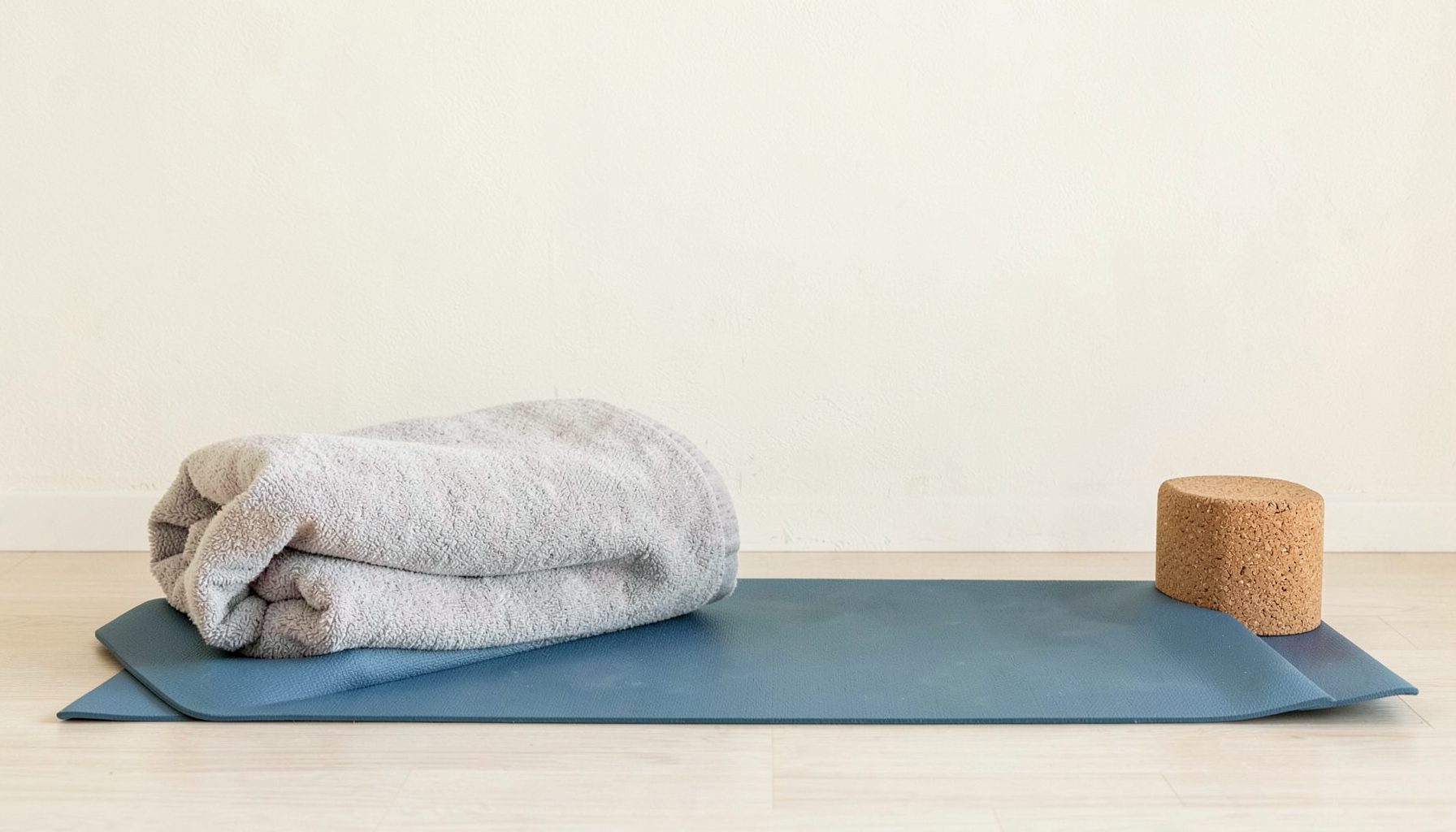
A yoga blanket is useful because it is dense, stable, and easy to fold into different shapes. However, an ordinary throw, bath towel, or lightweight quilt can work just as well. Choose fabric that feels pleasant against your skin and is large enough to cover the area you want to protect. Avoid anything so heavy that it presses on the chest or makes turning difficult.
Before lying down, place the blanket within reach. If you wait until you are already settled, searching for props can interrupt the transition into stillness. Smooth the mat, dim the lights if appropriate, and make sure the room is free from drafts. A small amount of preparation can help the closing posture feel intentional rather than rushed.
Think about the temperature at the beginning and end of practice. The body may feel warm after flowing sequences and cooler after several quiet minutes. Rather than covering yourself heavily from the start, you might keep a second layer beside the mat or use a blanket that can be folded back easily. Comfort should remain adjustable.
The blanket should support awareness, not remove it entirely. If you feel overheated, trapped, itchy, or distracted by its weight, change the arrangement. An effective prop is one you can forget about after a few breaths.
Create Support Beneath the Body
The most familiar use is a blanket folded beneath the knees. Lie on your back and place a rolled or folded blanket under both legs, close to the backs of the knees. This reduces the pull of the hip flexors and can ease pressure in the lower back. Let the feet fall naturally apart rather than forcing them into a particular position.
If your neck feels strained, use a very thin fold beneath the head rather than a tall support. The chin should remain roughly level, with the throat soft and the back of the neck long. Too much height can tip the head forward and create tension. If you are unsure, begin with less padding and add only what genuinely improves ease.
A narrow roll beneath the ankles can be helpful when the heels are sensitive or the legs feel tired. Alternatively, place the blanket lengthwise beneath the calves so the lower legs are slightly elevated. This can feel soothing after a standing practice, though some people prefer the grounding sensation of keeping the feet directly on the mat.
| Blanket placement | What it may support | Signs to adjust |
|---|---|---|
| Under the knees | Lower-back comfort and relaxed legs | Knees feel pushed upward or hips become tense |
| Beneath the head | A neutral neck and softer throat | Chin tucks toward the chest or jaw tightens |
| Under the ankles or calves | Relief from heel pressure and tired legs | Tingling, numbness, or unwanted pressure |
| Folded beside the body | Easy access for warmth later | The blanket crowds the arms or restricts movement |
| Draped over the torso and legs | Warmth, security, and sensory grounding | Breathing feels limited or the body overheats |
You can combine supports, but introduce them one at a time. First find a position in which the spine and limbs feel neutral. Then add warmth. This makes it easier to identify which arrangement is helping and which one may be creating a new source of discomfort.
Use Warmth, Weight, and Texture Mindfully
For simple warmth, unfold the blanket and place it over the body from the feet toward the shoulders. Leave the arms outside if you like the freedom to move, or cover them lightly if your hands tend to become cold. A diagonal drape can keep the chest open while still protecting the legs and feet.
Some people enjoy a little weight across the thighs or lower abdomen. This can feel grounding and may help draw attention away from racing thoughts. Keep the layer light across the torso, especially if you have any breathing difficulty, chest discomfort, or sensitivity to pressure. There should always be room for the ribs and belly to expand without resistance.
Texture can become part of a mindful body scan. Notice the blanket touching the toes, shins, thighs, abdomen, and shoulders. Rather than labeling each sensation as good or bad, observe warmth, coolness, pressure, and contact. This gives the mind a gentle point of focus without requiring concentration that feels effortful.
If the blanket becomes a source of sensory overload, simplify. Remove folds that press into the body, smooth rough fabric, or use a sheet-like layer instead. Deep relaxation is not measured by how much equipment you use. It is reflected in the quality of ease available to you.
Let the Body Settle Without Forcing It
Once you have arranged the blanket, allow several breaths before deciding whether the setup works. Feel where the body meets the mat. Notice whether the back of the head, shoulder blades, pelvis, and heels can be received by the floor. You do not need to make every part symmetrical; you only need enough support to stop unnecessary effort.
Let the breath remain natural at first. A long exhale can encourage settling, but it should not become a task. You might silently notice, “breathing in” and “breathing out,” or feel the blanket move slightly with the rhythm of the ribs. If thoughts appear, let them pass through the same spacious awareness as physical sensations.
A blanket is especially useful when the transition into Savasana feels abrupt. After movement, the body may still expect instructions. The gradual sensation of being covered can act as a bridge from activity to rest. Give yourself time to experience that transition instead of expecting immediate stillness.
For a personal practice, a few minutes may be enough. In a longer session, remain for ten to fifteen minutes if that feels nourishing. If discomfort develops, make a small, deliberate adjustment rather than tolerating it as a test of discipline. Self-compassion is part of the posture.
A Simple Blanket Routine for Practice
This sequence can be adapted to your body, your surroundings, and the type of yoga you have completed. Move slowly and keep your eyes closed only if that feels comfortable.
- Fold one blanket beneath the knees and lie back, checking that the lower back feels spacious rather than pressed.
- Place a second layer within reach, then cover the legs and torso lightly once your breathing has become steady.
- Relax the hands, soften the tongue, and notice three areas of contact between the body and the mat.
- Stay for several natural breaths, adjusting the blanket if you feel cold, restricted, or distracted.
- Before moving, sense the quiet effects of stillness and choose one gentle quality—ease, warmth, patience, or steadiness—to carry forward.
A short guided meditation can make this routine easier to repeat. You may also find printable sequences, audio practices, and other downloadable yoga resources useful when you want support without adding more stimulation to your evening.
The routine does not need to look the same each time. On a warm day, the blanket may serve only as knee support. After an intense practice, it may be a full-body cover. If your energy is low, simply placing one folded blanket beneath the legs may be enough. Adaptation is a sign of attention, not inconsistency.
Carry the Ease Beyond the Mat
The benefits of supported Savasana can continue after the posture ends. Before moving, notice whether your breathing is quieter, your muscles feel less guarded, or your attention has become more spacious. These changes may be subtle. There is no need to turn them into a performance or demand that relaxation last for the entire day.
To leave the pose, begin with small movements. Wiggle the fingers and toes, stretch through the arms if that feels good, and bend the knees. Roll to one side while keeping the blanket around you, then pause there for a breath before pressing up to sit. Moving gradually protects the restful quality you have created.
Use a blanket whenever your body asks for additional support, whether during a formal yoga class, a midday pause, or a few quiet minutes before sleep. Set up your space, give yourself permission to be comfortable, and allow stillness to become a practice of care rather than an exercise in endurance.