

How to Sequence Your Own Yoga Practice
Creating a personal yoga sequence can feel complicated when you are faced with dozens of postures, breathing techniques, and possible transitions. In reality, a useful home practice does not need to resemble a studio class or include every pose you know. It needs a clear purpose, a manageable rhythm, and enough space to notice how you feel.
A simple framework helps you move from scattered choices to an intentional practice. You can use it for a short morning stretch, a calming evening session, a mindful movement break, or a longer practice that supports strength and mobility. The same basic structure can adapt to different energy levels and changing needs.
The most important principle is responsiveness. Sequencing your own yoga practice means listening before choosing, adjusting while moving, and finishing in a way that allows the benefits of practice to settle. The sequence serves your body and attention; it is not a test of memory or flexibility.
Begin with a clear intention
Before placing a mat on the floor, pause for a moment and identify what you need. Your intention might be physical, such as releasing tight hips or building steadiness in your legs. It might be emotional or mental, such as creating calm after a demanding day or finding focus before work. You may simply want to move gently and reconnect with your breath.
Keep the intention specific enough to guide your choices. “I want to feel more grounded” could lead to standing poses, slow transitions, and longer exhalations. “I want to wake up” might suggest flowing movements, spinal extensions, and a brighter pace. “I need restoration” points toward supported shapes, quiet breathing, and fewer transitions.
Also consider your practical limits. Decide how much time you have, whether you are tired or energised, and whether there are injuries or sensitivities that require modifications. A ten-minute sequence and a sixty-minute sequence can follow the same arc; they simply give different amounts of time to each stage.
Use a beginning, middle, and ending
A balanced yoga sequence generally moves from preparation into progressive activity and then toward release. This broad arc gives your body time to warm up before stronger movement and prevents the practice from ending abruptly. It also creates a reassuring rhythm when you are practicing without a teacher.
Begin with arrival. Sit, lie down, or stand comfortably and observe your natural breathing. Add gentle movements such as shoulder rolls, wrist circles, pelvic tilts, cat-cow, or an easy side stretch. These actions bring awareness to the body without demanding much effort. They can also reveal areas that feel restricted and may need extra attention.
The middle portion is where you explore the central intention of the practice. Include poses that gradually increase challenge, such as lunges, standing balances, gentle backbends, twists, or supported strength work. Build toward a peak experience rather than a single impressive posture. The peak might be a demanding pose, a sustained movement pattern, or simply the point at which you feel fully present and awake.
Finish by reducing intensity. Choose slower transitions, forward folds, gentle floor-based poses, or restorative shapes. Allow the breath to become quiet and unforced before taking several minutes for savasana or seated stillness. A thoughtful ending helps your nervous system recognise that the practice is complete.
Choose postures by function
When planning a sequence, think about what each posture contributes instead of collecting poses at random. A movement can warm the body, mobilise a joint, strengthen a region, challenge balance, calm the mind, or prepare you for another shape. This functional approach makes your home practice more coherent.
For example, if you want to work toward a comfortable seated forward fold, begin with breath awareness and gentle spinal movement. Add hamstring preparation through low lunges, half splits, or dynamic leg extensions. Include a few hip-opening movements, then practise the forward fold without forcing depth. The final shape becomes part of a progression rather than an isolated stretch.
If your intention is steadiness, you might organise your practice around standing poses and balance. Move from mountain pose into chair pose, then explore warrior variations before trying tree pose or another single-leg balance. Between challenging postures, return to a stable shape and breathe. These pauses are part of the sequence, not wasted time.
The following framework can help you choose a balanced range of elements. You do not need to include every category in every practice, especially when you have limited time.
| Practice element | Possible movements | Purpose |
|---|---|---|
| Arrival | Seated breathing, constructive rest, body scan | Develop awareness and settle attention |
| Warm-up | Cat-cow, circles, gentle twists, joint mobility | Prepare the body for movement |
| Foundation | Mountain pose, tabletop, low lunge, bridge | Establish alignment and basic strength |
| Main focus | Warriors, balances, twists, backbends, hip openers | Explore the intention of the practice |
| Integration | Child’s pose, supine twist, relaxed forward fold | Reduce intensity and absorb the work |
| Rest | Savasana, supported rest, quiet sitting | Support nervous system regulation |
Let breath guide the transitions
A sequence becomes more mindful when breath leads the movement. You do not need to match every action to a perfectly timed inhale or exhale. Instead, use breathing as a steady reference point. In general, an inhale can accompany expansion or lengthening, while an exhale can support folding, grounding, or softening.
Transitions deserve as much attention as the postures themselves. Moving from low lunge to downward-facing dog, for example, can be rushed or deliberate. Notice how your hands make contact with the floor, how your spine responds, and whether you need to lower your knees or pause in tabletop. A slower transition often provides more useful information than a deeper final pose.
Try repeating a small movement pattern several times. You could inhale to reach the arms overhead, exhale to fold, inhale halfway up, and exhale to bend the knees as you return to standing. Repetition allows the body to learn the pathway and gives the mind fewer decisions to manage.
Breath can also help regulate intensity. If breathing becomes strained, shallow, or held, treat that as valuable feedback. Shorten the range of motion, slow down, rest in a neutral position, or choose a gentler variation. Sustainable yoga practice leaves room for ease even when effort is present.
Adapt the sequence to your energy
There is no single correct length or level of challenge for a yoga routine. A sequence should respond to the person arriving on the mat today, not the person you were yesterday or hope to become tomorrow. Your energy, sleep, stress, menstrual cycle, work demands, and physical comfort may all influence what is appropriate.
On a tired day, keep the same opening and closing but simplify the middle. Replace standing flows with supported poses, take longer rests, and reduce the number of transitions. On a day when you feel restless, use a more active warm-up and include movements that build heat, while still finishing with enough quiet to settle.
It can help to create three versions of a practice: a minimum version, a regular version, and an extended version. The minimum might include breathing, several mobility exercises, one or two purposeful poses, and rest. The regular version could take twenty to thirty minutes. The extended version might add repetition, balance work, or a longer meditation.
This approach removes the pressure to practise perfectly. You can maintain continuity without pretending that every day offers the same capacity. If you attend classes or use guided material for inspiration, notice which elements feel supportive and adapt them rather than copying the whole sequence exactly. You can find additional class options when you want structured guidance alongside independent practice.
Build safety into your choices
A good sequence is clear about its physical demands. Avoid placing the most intense pose at the very beginning, and be cautious when combining several challenging actions that load the same area. For example, a practice containing deep lunges, strong backbends, and long standing holds may need more recovery between sections than you initially expect.
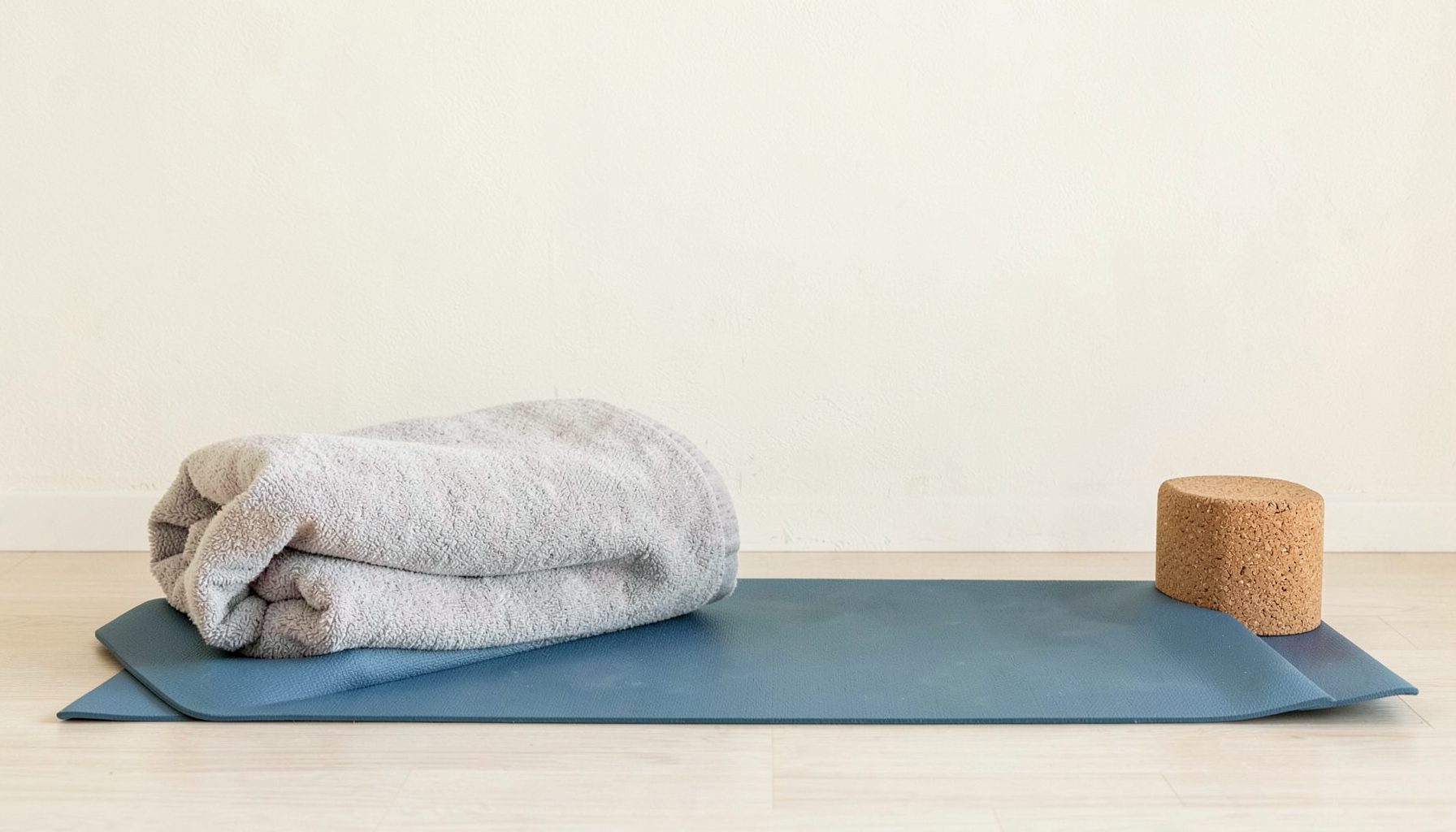
Use props to make a posture more accessible, not to force your body into a shape. A folded blanket can support the hips, blocks can bring the floor closer, and a bolster can make restorative poses more comfortable. Modifications are part of intelligent sequencing because they help you stay connected to sensation without moving beyond your current capacity.
Pain, sharp sensations, numbness, dizziness, or breathlessness are reasons to stop or change direction. A qualified healthcare professional can offer individual guidance when you are managing an injury, illness, pregnancy, or persistent symptoms. General yoga principles cannot replace personal medical advice.
Stay curious about alignment without becoming rigid. There may be several safe ways to organise a pose, and the most suitable option depends on your anatomy and experience. Prioritise stable breathing, gradual movement, and a sense of internal space over achieving a particular visual shape.
Review and refine your personal practice
After practising, take a minute to reflect. Ask yourself which part felt most supportive, where the pace changed, and whether the ending gave you enough time to settle. You might write a few words in a notebook or record the sequence in your phone. This creates a personal library of combinations that have worked for you.
Notice patterns over time. Perhaps you consistently start too intensely and feel depleted by the end. Perhaps your practices lack rest, or you feel better when you repeat fewer poses with more attention. These observations can guide your next sequence more effectively than searching for increasingly complicated routines.
A useful sequence usually feels spacious enough to breathe and flexible enough to change. You can keep its overall structure while replacing individual poses. If a wrist feels sensitive, choose forearm or standing variations. If balance is difficult, practise near a wall. If your attention is scattered, reduce the number of shapes and lengthen the pauses between them.
Use these principles when designing your next practice:
- Choose one clear intention rather than trying to address everything at once.
- Start with gentle mobility and build intensity in gradual stages.
- Pair active movement with pauses, neutral shapes, and adequate recovery.
- Let breath quality and physical sensation guide modifications.
- Reserve enough time for a quiet, unhurried ending.
A personal yoga sequence becomes meaningful through repetition and adjustment. You do not need an elaborate catalogue of poses; you need a reliable way to listen, choose, and respond. Begin with a few movements that feel familiar, let the middle of the practice support your intention, and close with enough stillness to notice the effect.
Return to this framework whenever you feel unsure where to begin. With practice, sequencing becomes less about remembering an ideal order and more about developing trust in your own attention. Roll out your mat, take one steady breath, and allow the next movement to arise from what you genuinely need today.