




Yoga for chronic pain: a gentle, practical approach
Chronic pain is not a single diagnosis, and the right response cannot be reduced to one universal sequence. Pain in the neck, lower back or hips, joint conditions, nerve pain and post-surgical discomfort may each call for a different approach, while fatigue and fear of movement can change what feels possible on any given day. Yoga can support mobility, body awareness, stress regulation and a more forgiving relationship with movement. It is not a cure for every condition and should complement, rather than replace, medical advice, medication or a graded activity programme.
Australian conditions add practical variables. Brisbane and Darwin summers can be intensely humid, while Melbourne winters can make a cold floor and stiff muscles feel uninviting. A home practice may move from a living room to an air-conditioned bedroom, and regional residents may drive long distances to reach a suitable class. These details matter because a practice that depends on perfect weather, a nearby studio or a long drive is less sustainable than one that can travel with you.
Learning how to practise yoga with chronic pain is less about finding perfect poses and more about learning a clear process for checking in, adapting and stopping. Begin with the movements you can tolerate today, not the version you hope to manage on a better day. A calm pace, supportive props and permission to do less can make mindful movement more useful than chasing flexibility or performing to the rest of a class.
Start with your body’s capacity
Capacity is the amount of movement, energy and attention you have available, not a test of how much pain you can tolerate. Before a session, notice which body areas feel guarded, whether symptoms are sharp, burning, electrical or dull, and how they change when you begin. A simple note of your starting point helps you notice meaningful change without turning every sensation into a problem. On low-energy days, capacity may be ten minutes of supported movement; on other days, it may be longer.
Build a support plan with the clinicians who understand your history. In Australia, a GP can coordinate care with a physiotherapist, psychologist, pain specialist or allied-health service, and people eligible for a chronic pain management plan may receive subsidised allied-health appointments through Medicare. Yoga is usually private and is not automatically Medicare-funded; rebates for extras also vary between insurers, so check the current policy rather than assuming cover. Seek prompt medical advice for new neurological symptoms, fever with severe pain, chest pain, or changes to bladder or bowel control.
Before class, how to set an intention for your yoga practice can help you focus on a functional goal such as moving the lower back without holding your breath, rather than promising to eliminate pain. Keep the intention flexible: a different intention may be needed during a flare, and changing it is not failure. This approach treats yoga as a conversation between intention, capacity and feedback rather than a performance.
Adapt movement without forcing flexibility
Pain is not a reliable scoreboard for what is happening inside a joint or nerve, but it is useful information. Stay within a range that allows you to remain aware and breathe; stop if movement causes sharp, escalating or radiating symptoms, numbness, dizziness or a loss of control. Mild muscular effort can be different from joint pain, yet your own clinician’s guidance should take priority. The aim is steady, comfortable mobility, not proving that a painful edge is harmless.
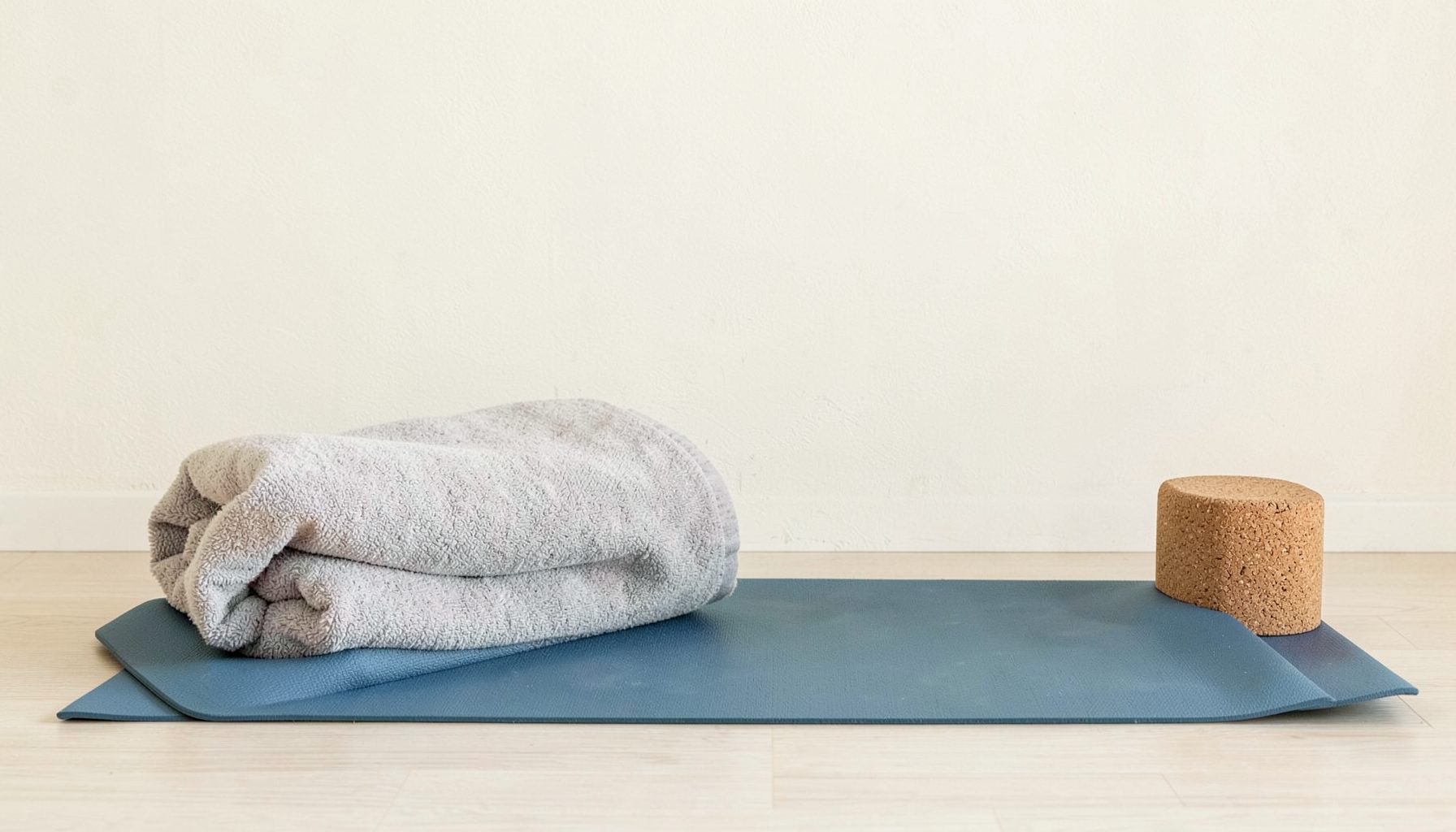
Props turn a pose into options. A chair gives you a stable base for balance work, a folded blanket can support the knees in a hip opener, and blocks or a wall can reduce the load in a shoulder stretch. If kneeling hurts, practise the same movement standing, seated or lying on your side. For a sensitive lower back, try small pelvic tilts or supported movement before deeper flexion; for a shoulder that pinches, keep the arm lower and use a strap rather than forcing reach.
Modification also means changing pace and duration. Repeated movements may suit stiff joints better than a long hold, while a restorative pose may settle an overactive nervous system. Stop a class whenever you need a real break, and ask an experienced teacher for alternatives rather than silently staying in discomfort. Heated yoga needs extra consideration during hot Australian weather and for people affected by heat intolerance, low blood pressure or medication changes; obtain individual advice if these apply.
Use breath, props and pacing
Breath can be an anchor, but breathwork does not need to be forceful. Notice the natural movement of the sides of the ribs and let the exhale become slightly longer if that feels steady. Avoid big “deep” breaths, prolonged holds or rapid breathing when they create tingling, panic, light-headedness or increased pain. A hand on the belly, the feeling of feet on the floor, or a simple count can offer the same grounding effect when counting the breath feels uncomfortable.
Support matters as much as technique. Use enough warmth, water and floor padding to stay comfortable, and place pillows under the arms, knees or belly so the body does not need to work to hold itself. Self-compassion is practical here: speaking to yourself as you would to a friend can reduce the bracing that often accompanies a flare. A short meditation can settle attention, but it does not need to silence every thought or produce a special state.
Different practice formats place different demands on the body and nervous system, so the most supportive choice depends on your symptoms, energy and access rather than on the most popular class.
| Practice format | Main focus | Helpful adjustments | Often suited to |
|---|---|---|---|
| Gentle flow | Linked breathing and steady movement | Use blocks, shorten transitions and repeat comfortable movements | Days when movement feels manageable and you want coordination |
| Restorative practice | Supported rest and nervous-system regulation | Add bolsters, blankets and wall support; keep holds brief | Fatigue, heightened stress or sensory sensitivity |
| Chair-supported movement | Accessible standing and seated practice | Use a stable chair, smaller ranges and supported balance | When floor transitions or prolonged standing are uncomfortable |
| Breath and meditation | Attention regulation and body awareness | Stay seated or reclined, shorten rounds and avoid forced breathing | When calming awareness feels easier than movement |
| Home digital resource | Portable, repeatable practice | Select a short downloadable or printable sequence with low-impact options | Irregular schedules, travel or limited access to a studio |
A format that works on a calm day may not suit a flare, and that is useful information rather than a verdict on yoga. Melbourne studios may offer chair and restorative classes, while retreat programmes around Byron Bay, the Blue Mountains or the Gold Coast can provide more time for rest; confirm accessibility and the ratio of personal support before booking. Online and downloadable material can fill gaps when travel, work or a sudden heatwave makes attending in person impractical.
Build a sustainable weekly rhythm
Consistency matters more than intensity. Two or three brief sessions of ten to twenty minutes can give you more reliable feedback than one exhausting hour. A workable Australian week might include a supported morning practice at home, a short walk during a lunch break, and a restorative class before the weekend. Desk work, long drives and irregular shifts can interrupt any routine, so attach one practice to an existing cue such as after your first glass of water.
Plan for variation with three levels: a baseline session, a modified session for a flare, and a genuine rest day. During a flare, reduce range, effort and duration, then return gradually rather than trying to catch up. If pain changes your sleep, concentration or work, record that alongside physical symptoms and discuss the pattern with your healthcare team. Australians often tell someone who is sore to “take it gently”; use that advice without turning it into another rule to obey.
For suitable days, hybrid gym options may offer machines and classes that can be adjusted for different abilities, but you still need to consider whether your symptoms and history make each exercise appropriate. A physiotherapist or qualified trainer can help set loads and technique. Walking, water-based movement and gentle cycling may provide other useful options when they are tolerated.
Make the practice yours
When choosing a class or retreat, ask what experience the teacher has with persistent pain, whether classes include chairs and props, and how the teacher handles fatigue or symptom flare-ups. In Australia, studios and independent teachers operate under different business models, from casual drop-in sessions and memberships to private sessions and destination retreats, so check cancellation terms, accessibility and what equipment is provided. A teacher who listens, offers choices and does not praise pain endurance is usually a better fit.
Digital support can fill the small gaps between classes. Meditations, printable sequences and gentle home practices from Camille Dodson Yoga can be used on days when energy, travel or weather changes the plan. Treat a resource as a menu rather than a test: choose one or two movements, keep the pace conversational and stop if symptoms build. Over time, those repeatable choices become a personal plan that can travel, adapt and remain connected to the priorities of everyday life.
Your next step can be small and specific. Before your next session, write one sentence naming the body area that needs the most care, one movement that currently feels manageable, one prop or support you will use, and a two-minute breathing or meditation practice. Put those four details beside your mat and follow that sequence when you next practise, adjusting it only if your body gives you a clear reason.